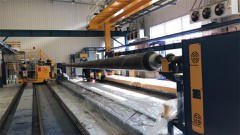
Your Professional Horizontal Winding Machine Supplier


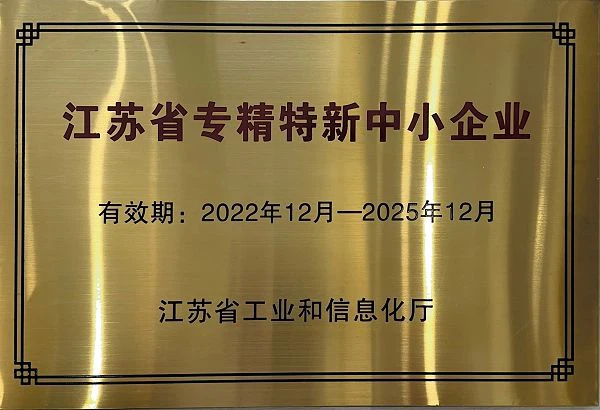
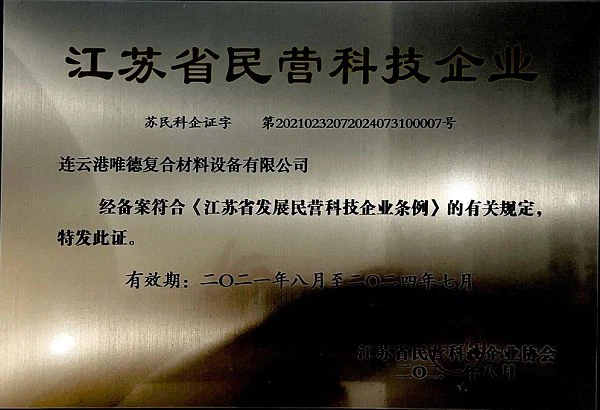
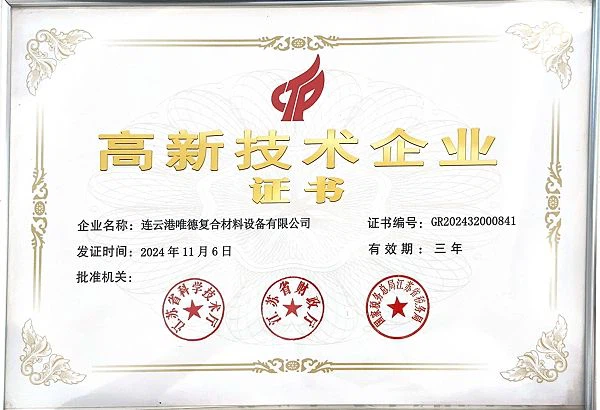
Lianyungang Weide Composite Materials Equipment Co., Ltd. is a national high-tech enterprise dedicated to the research and development, as well as the manufacturing, of high-end composite material processing equipment. The company’s core product portfolio includes Continuous Filament Winding Machines, Four-Axis Filament Winding Machines, Horizontal Winding Machines, and Centrifugal Casting GRP Pipe Machines.


Professional R&D Team
The company has assembled a team of over 20 experienced design and R&D engineers, enabling the successful development of four core product series.


Advanced Production Equipment
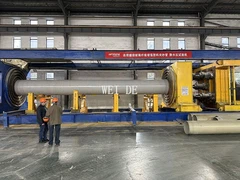
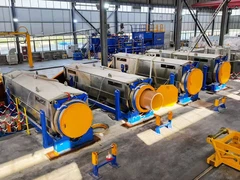
Key production facilities include four-axis high-precision winding machines, automated loading and unloading robotic arms, curing ovens, and resin supply systems, ensuring consistent manufacturing quality.


Comprehensive Professional Services
Weide has established a fully integrated capability system encompassing equipment R&D, process optimization, engineering design, and after-sales support, delivering end-to-end solutions to clients.


Specification


Winding diameter*length

700mm*3500mm

Number of stations

Max.5 axis

Tension control

Wet method 10-80N accuracy 5% dry method 10-150N accuracy 3%

Insert complement axis concurrently

4 axis, 5 axis, 6 + 2 axis

Axis filling speed

Max 2 m/s

The yarn speed Wet method

Maximum 1.5 m/s

The yarn speed Dry method

Maximum of 6 m / s

Main shaft speed

0~200rpm

Positioning accuracy Straight axis

0.05mm

Positioning accuracy Rotation axis

0.01mm

Repeat positioning accuracy Straight axis

0.025mm

Repeat positioning accuracy Rotation axis

0.005mm

Wound accuracy

0.1mm


Advantages of Horizontal Winding Machine
 

Uniform Winding

Horizontal winding machines can produce a more uniform winding compared to other methods. The horizontal orientation allows for better control of the fiber path, reducing the chances of overlapping or bunching.

High Efficiency

These machines are capable of high-speed winding, which can significantly increase productivity. For large-scale production of synthetic fiber products, such as ropes, cables, and composites, the efficiency of a horizontal winding machine can lead to cost savings and faster turnaround times.

Versatility

Horizontal winding machines can be configured to wind different types of synthetic fibers and produce various winding patterns. This versatility makes them suitable for a wide range of applications, from simple fiber spooling to complex composite manufacturing.

Automation

Modern horizontal winding machines can be fully automated, reducing the need for manual labor. This not only improves the consistency of the winding process but also reduces the risk of human error.


Applications of Horizontal Winding Machine


Mechanical Engineering

Used for winding various types of wires and cables for machinery and equipment.


Automotive

Essential for producing electric motors, sensors, and wiring harnesses for vehicles.


Aeronautics

Utilized for winding components in aircraft systems, requiring high reliability and precision.


Marine

Applications include winding components for marine electrical systems and propulsion.


Oil And Gas

Used for winding cables and sensors in exploration and production equipment.


Chemical Industrial

Employed in the production of specialized wires and tapes for chemical processing equipment.


Medical

Critical for manufacturing medical devices, implants, and diagnostic equipment, demanding extreme precision and cleanroom compatibility.


Electrical

The largest application segment, encompassing transformers, motors, generators, and other electrical components.


Installation Steps of Horizontal Winding Machine
 

Preparation
Before you even start unpacking the machine, you need to make sure you've got the right space. The area should be clean, dry, and well-ventilated. You don't want any dust or moisture getting into the machine, as that can cause all sorts of problems down the line.


Unpacking and Inspection
Once you've got the space ready, it's time to unpack the machine. Carefully remove the machine from its packaging, making sure not to damage any of the components. As you unpack, check for any signs of damage or missing parts.


Assembly
Now it's time to start assembling the machine. Follow the instructions in the user manual carefully. Usually, you'll start by attaching the base of the machine to the floor or a workbench. Use the appropriate bolts and screws to secure it in place.

Epoxy Filament Winding Machine


Epoxy Horizontal Winding Machine

Electrical Connection
One of the most important steps in the installation process is the electrical connection. You need to make sure you're following all the safety regulations when dealing with electricity.


Calibration and Testing
After you've assembled and connected the machine, it's time to calibrate it. Calibration is the process of adjusting the machine to ensure it's working accurately. This usually involves setting the speed, the tension, and the winding pattern.


Training and Maintenance
Now that your machine is up and running, it's important to train your operators on how to use it properly. Our company offers training programs to help your staff get the most out of the machine.


Maintenance of Horizontal Winding Machine
 

Establish a Routine Maintenance Schedule
Develop a structured maintenance schedule to prevent breakdowns and extend the life of your horizontal winding machine. A well-planned routine helps identify small issues before they escalate into major failures.


Keep the Machine Clean and Free of Debris
One of the most overlooked aspects of machine maintenance is cleanliness. Dust, debris, and metal shavings can accumulate inside the machine, leading to mechanical failures and overheating.


Lubricate Moving Parts Regularly
Proper lubrication is essential to reduce friction, wear, and overheating in moving parts. Over time, lubrication can degrade, causing excessive wear on key components such as bearings, gears, and lead screws.


Monitor Electrical Components and Connections
Your horizontal winding machine relies on precise electrical systems to operate efficiently. If not addressed early, loose connections, faulty wiring, or overheating components can lead to major failures.


Inspect and Maintain Belts and Tensioning Systems
Belts play a crucial role in transmitting power efficiently within the machine. Over time, they can become worn, cracked, or improperly tensioned, leading to reduced performance.


Test and Calibrate Machine Settings Regularly
Precision is key when operating a horizontal winding machine. Any deviation from the required settings can lead to defects in wound coils, leading to inefficiencies in motor production.


Replace Worn or Damaged Components Proactively
Waiting until a part completely fails can lead to extensive downtime and costly emergency repairs. Instead, adopting a proactive replacement strategy will minimize disruptions to production.


Train Operators on Proper Machine Usage
Even the best-maintained horizontal winding machine can suffer premature damage if not used correctly. Proper operator training ensures that users follow the right procedures and prevent unnecessary wear and tear.


Packaging and Shipping


Packaging

Wooden Box

Shipping

By Sea, By Air


Our Factory


Lianyungang Weide Composite Materials Facilities Co., Ltd. was established in 2001. The company occupies 42 acres of land with a production area of 20,000 square meters.


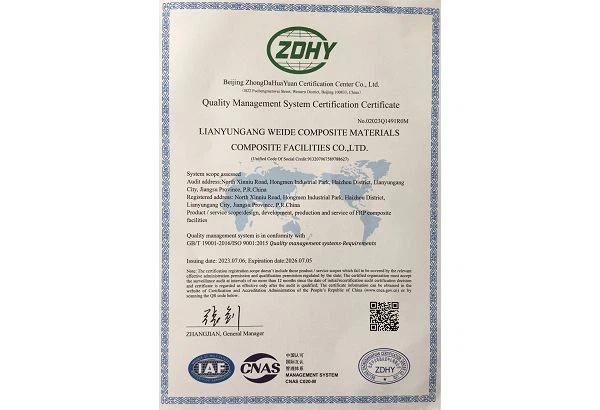
Our Certificates


productcate-1-1
productcate-1-1
productcate-1-1
productcate-1-1
productcate-1-1
productcate-1-1
productcate-1-1


FAQ


Q: What is a horizontal winding machine and how does it function?​

A: A horizontal winding machine is an industrial device designed to wind various materials like wires, cables, fibers, or tapes around a core or mandrel. It operates with the mandrel positioned horizontally. Motors drive the rotation of the mandrel, while a traversing mechanism moves the material - feeding device across the length of the mandrel.

Q: What types of materials can be wound using a horizontal winding machine?​

A: A wide range of materials can be processed. In the electrical industry, it is commonly used for winding copper and aluminum wires for transformer coils, motor windings, and solenoids. In the fiber - composite industry, materials like carbon fiber, glass fiber, and aramid fiber can be wound to create composite structures such as pipes, pressure vessels, and aerospace components.

Q: How does the tension control system work in a horizontal winding machine?​

A: The tension control system typically consists of a tension sensor, a controller, and an actuator. The tension sensor, which can be a load cell or a dancer arm mechanism, measures the tension in the material as it is being fed to the winding area. This sensor sends a signal to the controller, which compares the measured tension with the pre - set desired value.

Q: How is the winding pattern controlled in a horizontal winding machine?​

A: The winding pattern is controlled through the machine's control system. Operators input parameters such as the winding angle, pitch (distance between adjacent windings), and the number of layers into the control panel. The control system then coordinates the movement of the mandrel rotation and the traversing mechanism accordingly.

Q: Can a horizontal winding machine be integrated into an existing production line?​

A: Yes, horizontal winding machines can be integrated into existing production lines. They can be designed to interface with other equipment such as material - feeding systems, conveyors, and quality - control stations.

Q: Are there any environmental considerations when using a horizontal winding machine?​

A: Some horizontal winding machines may use lubricants and coolants, which need to be properly managed to prevent environmental pollution. These substances should be disposed of in accordance with local environmental regulations. If the machine is used for winding materials that produce dust or fumes, such as certain fibers or plastics, proper ventilation systems should be in place to protect the environment and the health of workers.

We're professional horizontal winding machine manufacturers and suppliers in China. If you're going to buy horizontal winding machine made in China, welcome to get more information from our factory. Also, customized service is available.

Epoxy Horizontal Winding Machine, Oxygen cylinder winding machine, winding machine

Send Inquiry