



Are Type 4 cylinders available in different colors?
Dec 18, 2025
Leave a message
Are Type 4 cylinders available in different colors?
As a supplier of Type 4 cylinders, I often encounter inquiries from customers regarding the availability of these cylinders in different colors. This question is not only about aesthetics but also has implications for functionality, safety, and market preferences. In this blog post, I will delve into the topic of whether Type 4 cylinders come in various colors, exploring the factors that influence color options, the benefits of different colors, and the manufacturing processes involved.
Understanding Type 4 Cylinders
Before discussing color options, it's essential to understand what Type 4 cylinders are. Type 4 cylinders are composite high - pressure gas cylinders. They consist of a plastic liner fully wrapped with a carbon fiber composite material. This design offers several advantages over traditional metal cylinders, such as being lighter in weight, having a higher strength - to - weight ratio, and better corrosion resistance. These cylinders are widely used in applications like compressed natural gas (CNG) storage for vehicles, hydrogen storage for fuel cell vehicles, and other industrial gas storage needs.
Factors Influencing Color Availability
Regulatory Requirements
One of the primary factors that determine the color options for Type 4 cylinders is regulatory requirements. Different countries and industries may have specific regulations regarding the color coding of gas cylinders. For example, in some regions, certain colors are designated for specific gases to ensure easy identification and prevent mix - ups. A bright yellow color might be used for cylinders containing a particular type of industrial gas, while a specific shade of green could be reserved for another. These regulations are in place to enhance safety and compliance in handling and storage of gas cylinders.
Manufacturing Process
The manufacturing process of Type 4 cylinders also plays a role in color availability. The carbon fiber wrapping, which is a key component of Type 4 cylinders, is typically supplied in a limited range of base colors. The most common color of carbon fiber is black, as it is the natural color of the material. However, it is possible to add pigments during the resin impregnation process. The resin is used to bond the carbon fibers together and adhere them to the liner. By adding color pigments to the resin, different colors can be achieved. But this process requires careful control to ensure that the pigments do not compromise the mechanical properties of the composite material.
Market Demand
Market demand is another significant factor. If customers in a particular industry or region have a preference for a certain color, manufacturers may be more inclined to offer that color option. For example, in the automotive industry, where aesthetics are often important, there may be a demand for cylinders that match the color scheme of the vehicle. Additionally, some end - users may prefer a specific color for branding or marketing purposes. A company may want its cylinders to be colored in its corporate colors to enhance brand recognition.

Benefits of Different Colors
Identification
As mentioned earlier, different colors can be used for easy identification of the gas contained in the cylinder. This is crucial in industrial settings where multiple types of gases are stored and used. Workers can quickly recognize the type of gas by the color of the cylinder, reducing the risk of using the wrong gas and potentially causing an accident.
Aesthetics
In some applications, such as in consumer products or vehicles, aesthetics play an important role. A colored Type 4 cylinder can enhance the overall appearance of the product. For example, in a high - end hydrogen - powered vehicle, a cylinder with an attractive color can add to the vehicle's appeal. This can be a selling point for manufacturers and end - users alike.
Safety Enhancement
Colors can also be used to convey safety information. A bright color like orange or red can be used to indicate a high - pressure or potentially dangerous gas. This visual cue can alert workers and users to take extra precautions when handling the cylinder.
Manufacturing Processes for Colored Type 4 Cylinders
Pigment Addition to Resin
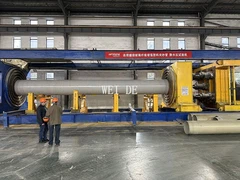
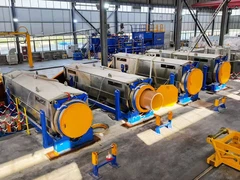
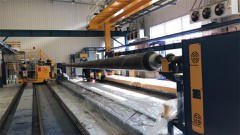
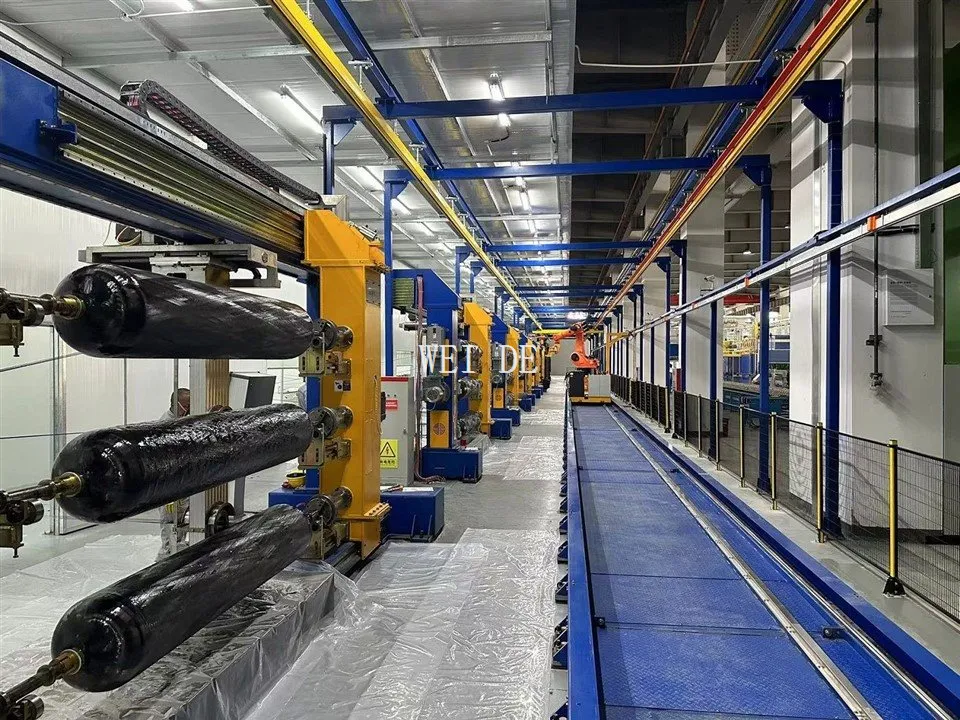
The most common method of coloring Type 4 cylinders is by adding pigments to the resin. The resin is mixed with the appropriate pigments before it is used to impregnate the carbon fibers. This process requires precise measurement and mixing to ensure a uniform color throughout the cylinder. The pigmented resin is then applied to the carbon fibers using a filament winding machine, such as the Type 4 Cylinder Winding Machine. This machine wraps the resin - impregnated carbon fibers around the plastic liner in a precise pattern to build up the composite structure of the cylinder.
Surface Coating
Another method is to apply a surface coating after the cylinder is manufactured. This can be a paint or a clear coat with added pigments. Surface coating can provide more flexibility in terms of color options and can also offer additional protection to the cylinder surface. However, it is important to ensure that the coating does not interfere with the performance of the cylinder, such as by causing delamination or reducing the cylinder's resistance to environmental factors.
Availability of Different Colors
In general, while black is the most common color for Type 4 cylinders due to the natural color of carbon fiber, it is possible to obtain cylinders in different colors. The range of colors available may vary depending on the manufacturer. Some manufacturers may offer a limited palette of standard colors, while others may be able to produce custom - colored cylinders upon request. However, custom - colored cylinders may involve additional costs and longer lead times due to the need for special pigments, testing, and potentially modified manufacturing processes.
Related Winding Machines
If you are interested in the manufacturing of Type 4 cylinders, it's worth noting that different winding machines are used in the process. The Type 4 Cylinder Winding Machine is specifically designed for winding the carbon fiber around the liner to create the composite structure. There is also the Type 3 Cylinder Winding Machine, which is used for manufacturing Type 3 cylinders, and the Pressure Cylinder Winding Machine, which is a more general - purpose machine for winding pressure cylinders.
Conclusion and Call to Action
In conclusion, Type 4 cylinders can be available in different colors, although the availability is influenced by regulatory requirements, manufacturing processes, and market demand. Different colors offer benefits such as easy identification, enhanced aesthetics, and safety enhancement. Whether you need a standard color for regulatory compliance or a custom color for branding purposes, we, as a Type 4 cylinder supplier, are here to meet your needs.
If you are interested in purchasing Type 4 cylinders or have any questions about color options, manufacturing processes, or related winding machines, please feel free to contact us for a detailed discussion. We are committed to providing high - quality products and excellent customer service.
References
- Gas Cylinder Color Coding Standards by International Organization for Standardization (ISO)
- Composite Material Handbook for High - Pressure Cylinders by American Composites Manufacturers Association (ACMA)
- Industry Reports on Market Demand for Colored Gas Cylinders
Send Inquiry