



Can Type 4 cylinders be used in explosive environments?
Jan 19, 2026
Leave a message
When it comes to the safety and functionality of cylinders in various industrial settings, the question of whether Type 4 cylinders can be used in explosive environments is of utmost importance. As a trusted supplier of Type 4 cylinders, I am here to delve into this topic, providing you with comprehensive and scientifically - backed information.
Understanding Type 4 Cylinders
Type 4 cylinders are composite gas cylinders that consist of a fully wrapped carbon - fiber composite over a non - load - bearing plastic liner. The use of carbon - fiber composites allows these cylinders to be significantly lighter than their traditional metal counterparts while still maintaining high pressure - bearing capabilities. Their lightweight nature makes them ideal for applications where weight is a critical factor, such as in portable gas systems for fire - fighting equipment, medical devices, and automotive fuel storage.


Explosive Environments: A Risk Assessment
Explosive environments are defined as areas where there is a risk of an explosion due to the presence of flammable gases, vapors, mists, or combustible dusts. These environments require strict safety measures to prevent potential ignition sources and minimize the risk of an explosion. Common examples of explosive environments include oil refineries, chemical plants, coal mines, and some manufacturing facilities.
Firstly, any equipment used in these areas must be carefully selected and designed to avoid creating an ignition source. Ignition sources can be classified into several categories, such as hot surfaces, electrical sparks, mechanical impacts, and electrostatic discharges.
Can Type 4 Cylinders Be Used in Explosive Environments?
The answer is not straightforward; it depends on multiple factors.
Material and Design Safety
The carbon - fiber composite and plastic liner of Type 4 cylinders have their own safety characteristics. The carbon - fiber material is strong and can withstand high pressures. The plastic liner, being non - conductive, reduces the risk of electrostatic discharge compared to metal cylinders, which can build up static electricity and potentially cause a spark. However, the plastic material may have a lower melting point than metals, so it is crucial to ensure that the cylinder does not reach temperatures that could cause the liner to deform or fail in an explosive environment.
Certification and Compliance
In many countries, cylinders used in explosive environments must meet specific safety standards and certifications. For example, in Europe, the ATEX directive sets out the requirements for equipment and protective systems intended for use in potentially explosive atmospheres. Type 4 cylinders that are intended for use in such environments must comply with these standards, undergo rigorous testing, and be certified accordingly.
If a Type 4 cylinder has obtained the relevant safety certifications, it indicates that it has been tested to withstand the conditions in an explosive environment, such as over - pressure, impact, and temperature variations, without becoming an ignition source.
Installation and Maintenance
Proper installation and maintenance are also critical for using Type 4 cylinders in explosive environments. The cylinders should be installed in accordance with the manufacturer's instructions, ensuring that they are securely fixed and protected from physical damage. Regular maintenance checks are necessary to detect any signs of wear, corrosion, or damage to the composite material or the liner. For instance, having a scheduled inspection for signs of delamination in the carbon - fiber composite can prevent sudden failures.
Advantages of Using Type 4 Cylinders in Explosive Environments
If all safety requirements are met, Type 4 cylinders can offer several advantages in explosive environments.
Reduced Weight
The lightweight nature of Type 4 cylinders simplifies handling and transportation, which is especially beneficial in industries where workers need to move cylinders around frequently. In a chemical plant, for example, lighter cylinders can reduce the physical strain on employees and potentially facilitate a quicker response in an emergency situation.
Corrosion Resistance
Unlike metal cylinders, Type 4 cylinders are highly resistant to corrosion. In explosive environments where corrosive gases or chemicals may be present, corrosion - resistant cylinders are less likely to develop leaks, which could lead to a gas buildup and an increased risk of explosion.
Ensuring Safety: Our Role as a Supplier
As a Type 4 cylinder supplier, we take safety very seriously. We only provide high - quality Type 4 cylinders that comply with international safety standards and have undergone extensive testing. Our team of experts is committed to helping customers understand the proper use, installation, and maintenance of our cylinders in explosive environments.
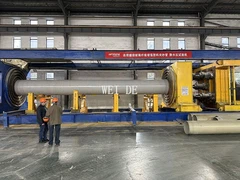
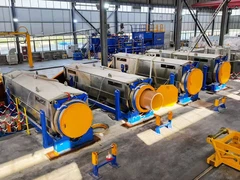
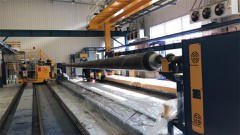
We also offer a range of related products and services. For example, if you are interested in the manufacturing process of Type 4 cylinders, we can provide information about the Type 4 Cylinder Winding Machine. This machine is used to precisely wind the carbon - fiber composite onto the plastic liner, ensuring the integrity and performance of the cylinder. In addition, we can also introduce our Type 3 Cylinder Winding Machine and Pressure Vessal Winding Machine for those who are engaged in the production of different types of pressure vessels.
Contact Us for Procurement and Consultation
If you are in need of Type 4 cylinders for your operations in explosive environments or have any questions regarding their safety and application, we encourage you to get in touch with us. Our experienced sales team will be delighted to provide you with detailed product information, answer all your queries, and work with you to determine the best solutions for your specific requirements. Whether you are a large industrial enterprise or a smaller business, we are committed to providing you with the highest level of service and support.
References
- ATEX Directive 2014/34/EU: Equipment and protective systems intended for use in potentially explosive atmospheres.
- International Organization for Standardization (ISO) standards related to gas cylinders and their use in industrial environments.
- Technical documentation and research papers on composite materials and their application in pressure vessels.
Send Inquiry