



How to transport China Type 4 cylinder safely?
Oct 23, 2025
Leave a message
As a supplier of China Type 4 cylinders, ensuring the safe transportation of these products is of utmost importance. Type 4 cylinders are widely used in various industries, including automotive, aerospace, and energy storage, due to their lightweight and high-pressure capabilities. However, transporting them requires careful planning and adherence to strict safety protocols to prevent accidents and ensure the integrity of the cylinders. In this blog post, I will share some essential tips on how to transport China Type 4 cylinders safely.
Understanding Type 4 Cylinders
Before discussing transportation safety, it's crucial to understand what Type 4 cylinders are. Type 4 cylinders are composite cylinders with a fully wrapped carbon fiber or fiberglass over a plastic liner. They are designed to store high-pressure gases such as hydrogen, compressed natural gas (CNG), and other industrial gases. These cylinders offer several advantages over traditional metal cylinders, including reduced weight, increased durability, and improved corrosion resistance.
Pre - transportation Preparations
Inspection
Before transporting Type 4 cylinders, a thorough inspection is necessary. Check for any visible damage, such as cracks, dents, or scratches on the cylinder's surface. Inspect the valve and fittings to ensure they are in good working condition and properly tightened. Any damaged cylinders should not be transported and should be either repaired or disposed of according to relevant regulations.
Secure the Valves
Valves are critical components of Type 4 cylinders. Make sure all valves are closed tightly before transportation. If possible, use valve protection caps to prevent damage to the valves during transit. These caps can also help prevent the accidental release of gas in case of a minor impact.
Labeling
Proper labeling is essential for the safe transportation of Type 4 cylinders. Each cylinder should be clearly labeled with the type of gas it contains, its pressure rating, and any relevant safety warnings. This information helps handlers and emergency responders to identify the contents of the cylinder quickly and take appropriate safety measures.
Packaging and Loading
Suitable Packaging
Use appropriate packaging materials to protect the Type 4 cylinders during transportation. Cushioning materials such as foam or rubber can be used to prevent the cylinders from hitting each other or the sides of the transport vehicle. Packaging should also be designed to withstand the expected vibrations and shocks during transit.
Loading Arrangement
When loading the cylinders onto the transport vehicle, arrange them in a stable and secure manner. They should be placed upright whenever possible to reduce the risk of rolling or tipping over. Use restraints such as straps or nets to hold the cylinders in place and prevent movement during transportation. Avoid overloading the vehicle, as this can affect its stability and increase the risk of an accident.


Transportation Vehicle Requirements
Compatibility
The transport vehicle must be compatible with the Type 4 cylinders being transported. It should have a suitable structure to support the weight and shape of the cylinders. For example, if transporting large - volume cylinders, the vehicle should have a flatbed or a specialized container with proper securing points.
Safety Features
The vehicle should be equipped with necessary safety features. This includes fire - extinguishing equipment, emergency shut - off valves, and ventilation systems. A well - ventilated vehicle is crucial to prevent the accumulation of gas in case of a leak. Additionally, the vehicle should have a reliable braking system and be regularly maintained to ensure its safe operation.
Regulatory Compliance
National and International Regulations
Comply with all relevant national and international regulations regarding the transportation of Type 4 cylinders. These regulations cover aspects such as vehicle requirements, packaging standards, and documentation. For example, in many countries, there are specific regulations on the maximum number of cylinders that can be transported in a single vehicle and the distance between cylinders.
Documentation
Prepare all necessary documentation for the transportation of Type 4 cylinders. This includes shipping manifests, safety data sheets (SDS), and any permits required by local or national authorities. The SDS provides important information about the properties of the gas in the cylinder, its hazards, and emergency response procedures.
Emergency Response Planning
Training
Ensure that all personnel involved in the transportation of Type 4 cylinders are properly trained in emergency response procedures. This includes training on how to detect gas leaks, how to use fire - extinguishing equipment, and how to handle a cylinder in case of an accident. Regular training sessions should be conducted to keep the skills of the personnel up - to - date.
Emergency Equipment
The transport vehicle should be equipped with emergency equipment such as gas detectors, first - aid kits, and personal protective equipment (PPE). In case of a gas leak, the gas detector can quickly alert the driver and other personnel, allowing them to take appropriate action. PPE, such as gloves and goggles, can protect the personnel from exposure to the gas.
Special Considerations for Different Gases
Hydrogen
If transporting Type 4 cylinders filled with hydrogen, special attention must be paid to its flammable and explosive nature. Hydrogen has a wide flammable range and can ignite easily. The transport vehicle should have strict anti - static measures to prevent the generation of sparks. Additionally, the ventilation system should be designed to quickly disperse any leaked hydrogen.
Compressed Natural Gas (CNG)
CNG is also a flammable gas. When transporting CNG - filled Type 4 cylinders, ensure that the vehicle is well - ventilated and that there are no sources of ignition in the vicinity. The cylinders should be stored in a cool place to prevent an increase in pressure due to heat.
The Role of Winding Machines in Cylinder Quality
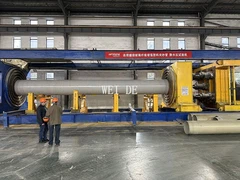
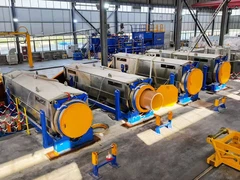
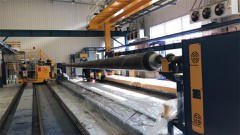
The quality of Type 4 cylinders is closely related to the manufacturing process, especially the winding process. Pressure Cylinder Winding Machine, Type 4 Cylinder Winding Machine, and Pressure Vessal Winding Machine play a crucial role in ensuring the strength and integrity of the cylinders. High - quality winding machines can produce cylinders with uniform fiber distribution, which enhances the cylinder's ability to withstand high pressures and impacts during transportation.
Conclusion
Transporting China Type 4 cylinders safely requires a comprehensive approach that includes pre - transportation preparations, proper packaging and loading, compliance with regulations, and emergency response planning. By following these guidelines, we can minimize the risks associated with transporting these high - pressure cylinders and ensure the safety of personnel, property, and the environment.
If you are interested in purchasing high - quality China Type 4 cylinders, please feel free to contact us for more information and to start a procurement negotiation. We are committed to providing you with the best products and services to meet your needs.
References
- Department of Transportation (DOT) regulations on hazardous materials transportation.
- International Organization for Standardization (ISO) standards for composite cylinders.
- Industry guidelines from relevant associations in the gas storage and transportation field.
Send Inquiry