



What are the environmental protection measures in a Type 4 cylinder factory?
Oct 03, 2025
Leave a message
As a supplier to a Type 4 cylinder factory, I've witnessed firsthand the growing emphasis on environmental protection within the industry. Type 4 cylinders, known for their lightweight and high - performance characteristics, are widely used in various sectors, including automotive and aerospace. However, the manufacturing process of these cylinders can have significant environmental impacts if not managed properly. In this blog, I'll discuss the key environmental protection measures that a Type 4 cylinder factory can adopt.
1. Raw Material Selection
The first step in environmental protection in a Type 4 cylinder factory is choosing the right raw materials. The main components of Type 4 cylinders are the liner and the composite overwrap. For the liner, selecting materials that are recyclable and have a low environmental impact is crucial. High - density polyethylene (HDPE) is a popular choice as it can be recycled multiple times and has a relatively low carbon footprint compared to other plastics.
When it comes to the composite overwrap, using natural fibers such as flax or hemp can be an environmentally friendly alternative to traditional carbon or glass fibers. Natural fibers are renewable resources, and their production generally consumes less energy. Although they may not offer the same level of strength as carbon fibers, advancements in technology are making them more viable for certain applications.
2. Energy Efficiency in Manufacturing
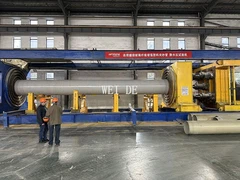
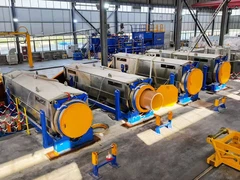
Energy consumption is a major concern in the manufacturing of Type 4 cylinders. To reduce energy usage, factories can invest in state - of - the - art machinery. For example, the Type 4 Cylinder Winding Machine is designed to be highly energy - efficient. These machines use advanced control systems to optimize the winding process, reducing the energy required per cylinder produced.
In addition to using energy - efficient machinery, factories can also implement energy management systems. These systems monitor and control energy consumption in real - time, allowing for adjustments to be made based on production demands. For instance, during periods of low production, non - essential equipment can be automatically shut down to save energy.
3. Waste Reduction and Recycling
Waste generation is an inevitable part of the manufacturing process, but a Type 4 cylinder factory can take steps to minimize it. One of the main sources of waste is the excess composite material from the winding process. Factories can implement a waste collection and recycling program to reuse this material. The recycled composite can be used in non - critical applications or repurposed into new products.
Another area where waste can be reduced is in the packaging of the finished cylinders. Using reusable or recyclable packaging materials can significantly reduce the amount of waste sent to landfills. For example, instead of using single - use cardboard boxes, factories can use plastic crates that can be returned and reused multiple times.
4. Emission Control
The manufacturing of Type 4 cylinders can produce emissions, including volatile organic compounds (VOCs) and particulate matter. To control these emissions, factories can install air pollution control systems. These systems use filters and scrubbers to remove harmful pollutants from the exhaust gases before they are released into the atmosphere.
In addition to controlling emissions from the manufacturing process, factories can also reduce their carbon footprint by using renewable energy sources. Installing solar panels on the factory roof or purchasing renewable energy credits can help offset the carbon emissions associated with energy consumption.


5. Water Conservation
Water is used in various stages of the manufacturing process, such as cooling and cleaning. To conserve water, factories can implement water recycling systems. These systems collect and treat the used water, making it suitable for reuse in the manufacturing process. For example, the water used for cooling can be treated and reused instead of being discharged into the environment.
6. Green Supply Chain Management
As a supplier, I understand the importance of green supply chain management. A Type 4 cylinder factory should work closely with its suppliers to ensure that the entire supply chain is environmentally friendly. This includes sourcing raw materials from suppliers who follow sustainable practices, reducing transportation emissions by optimizing delivery routes, and promoting the use of recycled materials in the supply chain.
7. Environmental Monitoring and Compliance
To ensure that the environmental protection measures are effective, a Type 4 cylinder factory should conduct regular environmental monitoring. This includes monitoring air and water quality, energy consumption, and waste generation. By collecting and analyzing this data, the factory can identify areas for improvement and make necessary adjustments to its operations.
In addition to monitoring, the factory must also comply with all relevant environmental regulations. This includes obtaining the necessary permits and licenses, and ensuring that all emissions and waste disposal meet the legal requirements.
8. Employee Training and Awareness
Finally, employee training and awareness are essential for the success of any environmental protection program. Employees should be educated about the importance of environmental protection and trained on how to implement the various measures in their daily work. This can include training on energy - efficient operation of machinery, proper waste management, and water conservation techniques.
By creating a culture of environmental awareness within the factory, employees are more likely to take ownership of the environmental protection efforts and contribute to their success.
In conclusion, environmental protection in a Type 4 cylinder factory is a multi - faceted challenge that requires a comprehensive approach. By implementing the measures discussed above, factories can significantly reduce their environmental impact while maintaining high - quality production. As a supplier, I'm committed to supporting the factories I work with in their environmental protection efforts. If you're interested in learning more about our products or discussing how we can help your factory become more environmentally friendly, please feel free to contact us for a procurement discussion.
References
- "Sustainable Manufacturing of Composite Pressure Vessels" - Journal of Environmental Manufacturing
- "Energy - Efficient Machinery in the Cylinder Manufacturing Industry" - International Journal of Energy Management
Send Inquiry