



What is the difference between a single - layer and multi - layer winding machine?
Oct 28, 2025
Leave a message
As a seasoned supplier of winding machines, I've witnessed firsthand the diverse needs and preferences of our clients. One of the most common questions we encounter is about the difference between single - layer and multi - layer winding machines. In this blog, I'll delve into the details of these two types of winding machines, highlighting their unique features, applications, and advantages.
Single - layer Winding Machines
Single - layer winding machines are designed to create a single layer of winding on a core or mandrel. This type of winding is straightforward and is often used when simplicity and precision are the primary requirements.
How They Work
The basic principle of a single - layer winding machine involves feeding a wire or fiber onto a rotating core. The machine controls the speed and tension of the wire to ensure a uniform and tightly wound single layer. For example, in the production of small - scale electrical coils, a single - layer winding machine can precisely place the wire in a single layer around the coil form.
Advantages
- Precision: Single - layer winding allows for high precision in the placement of the wire or fiber. This is crucial in applications where the electrical or mechanical properties of the wound product need to be very consistent. For instance, in some high - frequency transformers, a single - layer winding can minimize parasitic capacitance and improve the overall performance.
- Simplicity: These machines are generally simpler in design and operation compared to multi - layer winding machines. This means lower maintenance requirements and a shorter learning curve for operators. A small workshop can easily set up and operate a single - layer winding machine with minimal training.
- Cost - effective for Simple Applications: If your production requires only a single layer of winding, investing in a single - layer winding machine can be a cost - effective solution. You don't have to pay for the additional complexity and features of a multi - layer machine.
Applications
Single - layer winding machines are commonly used in the production of:
- Small Electrical Coils: Such as those used in relays, sensors, and some low - power transformers.
- Simple Fiber - wound Components: For example, in the production of small - diameter fiberglass rods where a single layer of fiber provides sufficient strength.
Multi - layer Winding Machines
Multi - layer winding machines, on the other hand, are capable of creating multiple layers of winding on a core or mandrel. This adds an extra level of complexity but also offers greater flexibility and functionality.
How They Work
A multi - layer winding machine has more advanced control systems to manage the winding process across multiple layers. It needs to ensure proper tension, layer alignment, and transition between layers. For example, when winding a large - capacity power transformer, the machine will carefully build up multiple layers of wire, adjusting the winding parameters for each layer.
Advantages
- Increased Capacity and Performance: By adding multiple layers of winding, the machine can create products with higher electrical capacity or mechanical strength. In power transformers, multi - layer windings can handle higher voltages and currents, making them suitable for industrial and grid - level applications.
- Flexibility: Multi - layer winding machines can be programmed to create different winding patterns and layer configurations. This allows for the production of a wide range of products with varying specifications. For example, in the production of custom - designed electrical inductors, different layer arrangements can be used to achieve specific inductance values.
- Enhanced Protection: In some applications, multiple layers of winding can provide better insulation and protection. For instance, in high - voltage cables, multi - layer winding with insulating materials can improve the cable's resistance to electrical breakdown.
Applications
Multi - layer winding machines are widely used in the production of:
- Large Power Transformers: These transformers require multiple layers of wire winding to handle high voltages and power levels.
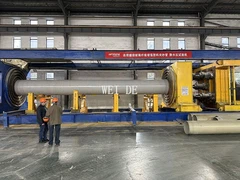
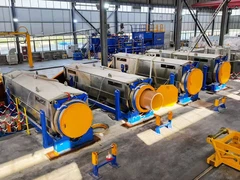
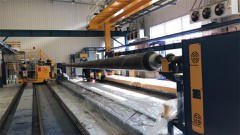
- Complex Fiber - wound Structures: Such as Marine Fiberglass Pipeline Production Line and Epoxy Pipe Winding Machine products, where multiple layers of fiber can enhance the strength and durability of the pipes. They are also used in the production of Epoxy Filament Winding Machine components for aerospace and automotive industries.
Key Differences
Winding Complexity
The most obvious difference is the complexity of the winding process. Single - layer winding is relatively simple, while multi - layer winding requires more advanced control and coordination to ensure proper layer formation and alignment.
Product Capacity and Performance
Single - layer winding is suitable for applications with lower capacity and performance requirements. Multi - layer winding, however, can achieve higher capacity and better performance due to the additional layers of wire or fiber.
Machine Cost and Maintenance
Single - layer winding machines are generally less expensive to purchase and maintain because of their simpler design. Multi - layer winding machines, with their more complex control systems and components, are more costly upfront and may require more frequent maintenance.
Production Flexibility
Multi - layer winding machines offer greater production flexibility as they can create a wider variety of winding patterns and layer configurations. Single - layer winding machines are more limited in this regard.
Choosing the Right Winding Machine
When deciding between a single - layer and multi - layer winding machine, several factors need to be considered:
- Production Requirements: If your production involves simple, low - capacity products, a single - layer winding machine may be sufficient. However, if you need to produce high - capacity or complex products, a multi - layer winding machine is the better choice.
- Budget: Your budget will play a significant role in the decision. Single - layer winding machines are more budget - friendly, while multi - layer machines require a larger investment.
- Future Expansion: Consider your future production plans. If you anticipate expanding your product range or increasing production capacity, a multi - layer winding machine may be a more future - proof investment.
Conclusion
In summary, both single - layer and multi - layer winding machines have their own unique advantages and applications. As a winding machine supplier, we understand the importance of matching the right machine to your specific needs. Whether you are looking for a simple and cost - effective single - layer winding solution or a more advanced multi - layer winding machine for complex applications, we have the expertise and products to meet your requirements.


If you're interested in learning more about our winding machines or would like to discuss your specific production needs, we encourage you to reach out to us for a detailed consultation. Our team of experts is ready to assist you in making the best choice for your business.
References
- "Handbook of Electrical Machine Coil Winding" by John Doe
- "Advanced Filament Winding Technology" by Jane Smith
Send Inquiry