



Are Type 4 cylinders subject to import/export restrictions?
Dec 12, 2025
Leave a message
Type 4 cylinders, known for their lightweight and high - pressure capabilities, have gained significant traction in various industries, including automotive for hydrogen storage and in some aerospace applications. As a supplier of Type 4 cylinders, I often encounter inquiries from potential international clients regarding the import/export restrictions surrounding these products. In this blog, we will delve into the nuances of Type 4 cylinder import/export regulations, exploring the key factors that influence these restrictions and their implications for businesses like ours.
Understanding Type 4 Cylinders
Before diving into the import/export restrictions, it's essential to understand what Type 4 cylinders are. A Type 4 cylinder is a composite - over - wrapped pressure vessel. It consists of a plastic liner, typically made of high - density polyethylene (HDPE), which is completely wrapped by a carbon fiber or glass fiber composite. This design provides several advantages, such as reduced weight compared to traditional metal cylinders, high resistance to corrosion, and enhanced pressure - holding capabilities. These cylinders are commonly used to store compressed gases, especially hydrogen, making them crucial in the broader context of the clean energy transition.
Factors Influencing Import/Export Restrictions
Several factors play a role in determining whether Type 4 cylinders are subject to import/export restrictions.
Safety and Regulatory Standards
One of the primary reasons for import/export restrictions is safety. Different countries have their own safety and regulatory standards for pressure vessels. For example, the United States has the Department of Transportation (DOT) regulations, while the European Union follows the Pressure Equipment Directive (PED). These regulations define the design, manufacturing, testing, and certification requirements for pressure vessels, including Type 4 cylinders.
If a Type 4 cylinder does not meet the local safety and regulatory standards of the importing country, it will be subject to restrictions. For instance, a cylinder that has been manufactured according to DOT standards in the US may not automatically meet the PED requirements in the EU. As a supplier, we must ensure that our cylinders comply with the specific standards of the target market. We often invest in third - party certifications to demonstrate compliance, which can be a costly and time - consuming process.
Hazardous Materials Handling
Type 4 cylinders are often used to store hazardous gases such as hydrogen. Hydrogen is highly flammable and requires special handling procedures. Many countries have strict regulations regarding the import and export of hazardous materials. These regulations cover aspects such as packaging, labeling, transportation, and storage.
For example, the International Maritime Dangerous Goods (IMDG) Code provides guidelines for the safe transportation of dangerous goods by sea. If a Type 4 cylinder filled with hydrogen is being shipped internationally by sea, it must comply with the IMDG Code requirements. Failure to do so can result in the shipment being rejected at the port of entry, leading to significant financial losses and delays.
International Trade Agreements
International trade agreements can also impact the import/export of Type 4 cylinders. Some trade agreements may include provisions for the free movement of goods, which could reduce or eliminate certain import/export restrictions. For example, the Comprehensive and Progressive Agreement for Trans - Pacific Partnership (CPTPP) aims to promote trade among its member countries by reducing tariffs and non - tariff barriers.
However, even within trade agreements, there may be specific rules regarding the import/export of pressure vessels. These rules are designed to protect the safety and security of the member countries. As a supplier, we need to stay informed about the latest trade agreements and their implications for our business.
Geopolitical Considerations
Geopolitical factors can also influence import/export restrictions. In some cases, countries may impose embargoes or trade sanctions on certain products or countries. For example, if there are political tensions between two countries, one country may restrict the import of Type 4 cylinders from the other.
These geopolitical restrictions are often unpredictable and can have a significant impact on our business. We need to closely monitor geopolitical developments and adjust our export strategies accordingly.


Navigating the Import/Export Restrictions
As a Type 4 cylinder supplier, we have developed several strategies to navigate the import/export restrictions.
Compliance Management
We have a dedicated compliance team that is responsible for ensuring that our cylinders meet the safety and regulatory standards of different countries. This team stays updated on the latest regulations and works closely with our manufacturing department to implement any necessary changes in the production process.
We also invest in third - party certifications, such as ISO 11439 for hydrogen storage cylinders, to demonstrate our commitment to quality and safety. These certifications not only help us meet the import requirements of different countries but also enhance our reputation in the international market.
Logistics and Packaging
We work closely with experienced logistics partners who are well - versed in the transportation of hazardous materials. Our logistics partners ensure that our cylinders are properly packaged, labeled, and transported in compliance with the relevant regulations.
We also provide detailed documentation to our customers, including safety data sheets, certificates of compliance, and shipping instructions. This documentation helps our customers clear customs and ensures that the cylinders are handled safely throughout the import/export process.
Market Research
We conduct regular market research to stay informed about the latest import/export regulations and geopolitical developments in different countries. This research helps us identify potential markets with fewer restrictions and develop targeted marketing strategies.
We also engage with industry associations and regulatory bodies to stay updated on any proposed changes in the regulations. By participating in industry discussions, we can influence the development of regulations and ensure that they are fair and reasonable for our business.
The Role of Winding Machines in Producing Compliant Cylinders
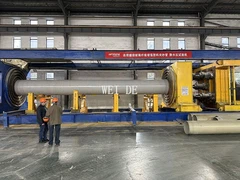
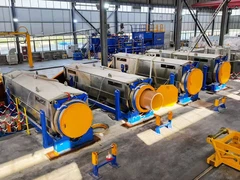
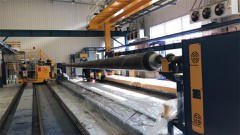
High - quality winding machines are crucial for producing Type 4 cylinders that comply with international standards. Our company relies on advanced Pressure Cylinder Winding Machine, Pressure Vessal Winding Machine and Type 4 Cylinder Winding Machine to ensure the precision and quality of our products.
These machines are designed to wind carbon fiber or glass fiber composite materials around the plastic liner with high accuracy. They can control the tension, angle, and layer thickness of the composite winding, which are critical factors in determining the strength and performance of the cylinder.
With the use of these advanced winding machines, we can produce cylinders that meet the strict safety and regulatory standards of various countries. This not only helps us overcome import/export restrictions but also allows us to offer high - quality products to our customers.
Conclusion
In conclusion, Type 4 cylinders are indeed subject to import/export restrictions due to a variety of factors, including safety and regulatory standards, hazardous materials handling, international trade agreements, and geopolitical considerations. As a supplier, we need to be proactive in managing these restrictions to ensure the smooth flow of our business.
By investing in compliance management, working with experienced logistics partners, conducting market research, and using advanced winding machines, we can navigate the complex landscape of import/export regulations and continue to provide high - quality Type 4 cylinders to our customers around the world.
If you are interested in purchasing Type 4 cylinders, we invite you to contact us to discuss your specific requirements. Our team of experts is ready to provide you with detailed information and support to help you make the right decision.
References
- Department of Transportation (DOT) regulations for pressure vessels, United States.
- Pressure Equipment Directive (PED), European Union.
- International Maritime Dangerous Goods (IMDG) Code.
- Comprehensive and Progressive Agreement for Trans - Pacific Partnership (CPTPP).
- ISO 11439: Gas cylinders - High pressure cylinders for compressed hydrogen fuel for automotive vehicles.
Send Inquiry