



How do I dispose of a Type 4 cylinder at the end of its life?
Nov 06, 2025
Leave a message
As a supplier of Type 4 cylinders, I often receive inquiries about the proper disposal of these cylinders at the end of their life cycle. Type 4 cylinders, known for their lightweight and high - performance characteristics, are widely used in various industries such as automotive, aerospace, and renewable energy. However, ensuring their safe and environmentally friendly disposal is crucial. In this blog, I will share some insights on how to dispose of Type 4 cylinders responsibly.
Understanding Type 4 Cylinders
Before delving into the disposal methods, it's essential to understand what Type 4 cylinders are. These cylinders are composite structures, typically consisting of a plastic liner wrapped with a carbon fiber or glass fiber composite overwrap. The plastic liner provides a gas - tight seal, while the composite overwrap offers high strength and durability. This combination makes Type 4 cylinders an excellent choice for applications that require high - pressure storage with a low weight.
Reasons for Disposal
There are several reasons why a Type 4 cylinder may need to be disposed of. The most common reason is reaching the end of its service life. Over time, the cylinder may experience wear and tear, which can compromise its structural integrity. Additionally, changes in regulations or safety standards may render an otherwise functional cylinder obsolete. In some cases, damage from accidents or improper handling can also make a cylinder unfit for continued use.
Safety First
Safety is of utmost importance when dealing with the disposal of Type 4 cylinders. These cylinders are designed to store gases under high pressure, and any mishandling can lead to serious accidents. Before starting the disposal process, it is crucial to ensure that the cylinder is completely depressurized. This can be done by slowly releasing the gas in a well - ventilated area, following all relevant safety procedures.


Disposal Methods
Recycling
Recycling is the most environmentally friendly option for disposing of Type 4 cylinders. The composite materials used in these cylinders, such as carbon fiber and plastic, can be recycled and reused in other applications. However, the recycling process for Type 4 cylinders is complex due to the combination of different materials. Specialized recycling facilities are required to separate and process the components effectively.
Some recycling facilities use mechanical processes to break down the cylinder into smaller pieces. The carbon fiber can then be separated from the plastic liner and other materials. Once separated, the carbon fiber can be recycled into new composite products, such as automotive parts or sporting goods. The plastic liner can also be recycled into new plastic products.
When considering recycling, it's important to find a reputable recycling facility that has experience dealing with Type 4 cylinders. You can check with local environmental agencies or industry associations for recommendations.
Landfill Disposal
Landfill disposal should be a last resort for Type 4 cylinders. While the composite materials used in these cylinders are generally durable, they can take a long time to decompose in a landfill. Additionally, there is a risk of the cylinder releasing any remaining gas or chemicals into the environment.
If landfill disposal is unavoidable, it is crucial to ensure that the cylinder is properly prepared. This includes completely depressurizing the cylinder and removing any valves or other components that could pose a hazard. The cylinder should also be clearly labeled as a composite cylinder to alert landfill operators.
Re - Purposing
Another option for disposing of Type 4 cylinders is re - purposing. Depending on the condition of the cylinder, it may be possible to find a new use for it. For example, a cylinder that is no longer suitable for high - pressure gas storage could be converted into a storage container for non - hazardous materials.
Re - purposing not only extends the life of the cylinder but also reduces waste. However, it's important to ensure that any re - purposing is done safely and in compliance with all relevant regulations.
Regulatory Considerations
Disposing of Type 4 cylinders is subject to various regulations at the local, national, and international levels. These regulations are in place to ensure the safety of the public and the environment. Before disposing of a cylinder, it's important to familiarize yourself with the relevant regulations and obtain any necessary permits.
In some regions, there are specific requirements for the transportation, storage, and disposal of composite cylinders. For example, cylinders may need to be transported in a special container or by a licensed carrier. Failure to comply with these regulations can result in significant fines and legal consequences.
Our Role as a Supplier
As a Type 4 cylinder supplier, we are committed to providing our customers with information and support on proper disposal methods. We work closely with recycling facilities and other partners to ensure that our cylinders are disposed of in an environmentally friendly and safe manner.
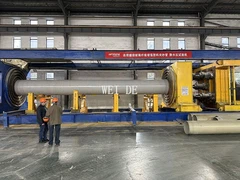
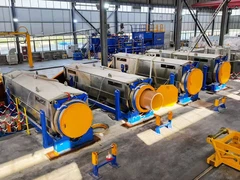
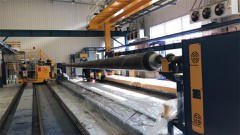
In addition to disposal advice, we also offer a range of products and services related to Type 4 cylinders. For example, we provide Pressure Cylinder Winding Machine for manufacturing high - quality Type 4 cylinders. Our Type 3 Cylinder Winding Machine is also available for those interested in Type 3 cylinders. And our Pressure Vessal Winding Machine can be used for various pressure vessel manufacturing needs.
Contact Us for More Information
If you have any questions about the disposal of Type 4 cylinders or are interested in our products and services, please feel free to contact us. We are here to help you make informed decisions and ensure that your cylinder - related needs are met. Whether you are looking for a reliable supplier of Type 4 cylinders or need advice on proper disposal, we have the expertise and resources to assist you.
References
- "Composite Pressure Vessels: Design, Analysis, and Applications" by X. Wang and Y. Tang
- Local environmental regulations and guidelines regarding composite cylinder disposal
- Industry standards and best practices for Type 4 cylinder manufacturing and disposal
Send Inquiry