



How does a China winding machine work?
Sep 26, 2025
Leave a message
Hey there! As a supplier of China winding machines, I'm super stoked to walk you through how these amazing pieces of equipment work. Winding machines are pretty crucial in various industries, from manufacturing cables to making composite products. So, let's dive right in!
The Basics of a Winding Machine
First off, a winding machine is designed to wind materials like wires, ropes, or fibers onto a spool, drum, or other forms of reels. It's all about getting that material neatly and tightly wound up for storage, transportation, or further processing.
The core components of a typical China winding machine usually include a power source, a drive system, a control unit, a winding mechanism, and a tension control system.
The power source is what gives the machine the energy it needs to run. It can be an electric motor, which is super common, or in some cases, a hydraulic or pneumatic system. This power is then transferred to the drive system.
The drive system is responsible for making the different parts of the machine move. It can be a belt drive, a chain drive, or a direct drive system. The type of drive used depends on the specific requirements of the winding process, like the speed and torque needed.
The Winding Process
Let's start with the initial setup. Before we start winding, we need to prepare the machine and the material. We attach the end of the material to the reel or spool. This is usually done by hand or with a simple clamping mechanism.
Once the material is attached, we set the parameters on the control unit. This is where we tell the machine how many turns we want, the speed at which it should wind, and the tension we want to apply. The control unit is like the brain of the machine, and it can be a simple analog control panel or a more advanced digital system with a touchscreen interface.
Now, let's talk about the winding mechanism. There are different types of winding mechanisms, but the most common ones are the traverse winding and the non - traverse winding.
In traverse winding, the material is wound back and forth across the width of the reel. This is great for creating a uniform layer of material on the reel. The traverse mechanism moves the material laterally as it winds, ensuring that the material is evenly distributed. For example, when winding a cable, traverse winding helps prevent the cable from bunching up in one area.
On the other hand, non - traverse winding is used when we want to wind the material in a single layer or in a specific pattern. This is often used in applications where the material needs to be wound tightly and precisely, like in the production of some high - precision coils.
Tension Control
Tension control is a super important part of the winding process. If the tension is too low, the material might not wind tightly enough, and it could come loose during storage or transportation. On the other hand, if the tension is too high, it could damage the material.
Our China winding machines are equipped with advanced tension control systems. These systems can use sensors to measure the tension of the material in real - time. Based on the measurements, the control unit can adjust the speed of the winding or the braking force applied to the material to maintain the desired tension.
Applications of China Winding Machines
China winding machines have a wide range of applications. One of the most common applications is in the cable and wire industry. They are used to wind copper or aluminum wires onto spools for distribution. This ensures that the wires are neatly organized and easy to handle.


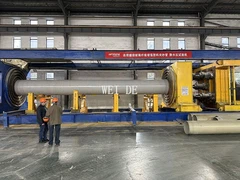
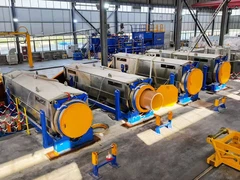
In the composite materials industry, winding machines are used to make products like Epoxy Horizontal Winding Machine and Epoxy Filament Winding Machine. These machines wind fibers like carbon fiber or fiberglass around a mandrel to create strong and lightweight composite structures.
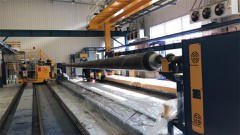
Another important application is in the pipeline industry. High - pressure Petroleum Pipeline Production Line uses winding machines to reinforce the pipes with layers of fibers or other materials, increasing their strength and durability.
Quality and Precision
We take pride in the quality and precision of our China winding machines. Our machines are built with high - quality materials and advanced manufacturing techniques. We use precision - engineered components to ensure smooth and accurate operation.
The control systems in our machines are calibrated to provide precise control over the winding process. This means that we can achieve consistent results, whether we're winding a small batch of cables or a large - scale production of composite products.
Maintenance and Support
Like any piece of equipment, winding machines need regular maintenance to keep them running smoothly. We provide detailed maintenance guides and support to our customers. Our machines are designed to be easy to maintain, with accessible components and clear instructions.
We also offer after - sales support, including troubleshooting and replacement of parts. Our team of experts is always ready to help our customers with any issues they might encounter.
Why Choose Our China Winding Machines
There are several reasons why you should choose our China winding machines. First of all, we offer competitive prices without compromising on quality. Our machines are cost - effective solutions for businesses of all sizes.
Secondly, we have a wide range of models to choose from. Whether you need a small, single - spool winding machine for a small workshop or a large, multi - spool machine for a big factory, we've got you covered.
We also provide customized solutions. If you have specific requirements for your winding process, we can work with you to design and build a machine that meets your needs.
Contact Us for Purchase and Negotiation
If you're interested in our China winding machines, we'd love to hear from you. Whether you're looking to buy a new machine, upgrade your existing equipment, or just want to learn more about our products, don't hesitate to reach out. We're here to answer all your questions and help you find the perfect winding machine for your business.
References
- "Handbook of Winding Technology" - A comprehensive guide on winding machines and their applications.
- Industry reports on the cable, composite, and pipeline manufacturing sectors.
Send Inquiry