



What is the role of a winding machine in the motor manufacturing process?
Sep 29, 2025
Leave a message
In the intricate world of motor manufacturing, every component and process plays a crucial role in ensuring the final product's quality, efficiency, and reliability. Among these elements, the winding machine stands out as a key player, significantly influencing the performance and functionality of motors. As a leading winding machine supplier, I am excited to delve into the vital role that winding machines play in the motor manufacturing process.
The Basics of Motor Winding
Before we explore the role of winding machines, it's essential to understand what motor winding is. Motor winding refers to the process of creating coils of wire that are used in electric motors. These coils are typically made of copper or aluminum wire and are wound around a core, which can be made of various materials such as iron or steel. The winding process is critical because the arrangement and number of turns in the coils determine the motor's electrical characteristics, including its voltage, current, and power output.
Precision and Consistency
One of the primary roles of a winding machine in motor manufacturing is to ensure precision and consistency in the winding process. Manual winding can be a time - consuming and error - prone task, as it is difficult to achieve the same number of turns and the same level of tension in each coil. A high - quality winding machine, on the other hand, can precisely control the number of turns, the tension of the wire, and the spacing between the coils. This precision is crucial for maintaining the electrical performance of the motor. For example, inconsistent winding can lead to uneven magnetic fields, which can cause the motor to vibrate, overheat, and have a shorter lifespan.
Increased Productivity
In a manufacturing environment, productivity is key. Winding machines can significantly increase the speed of the winding process compared to manual methods. They can operate continuously, winding multiple coils simultaneously in some cases. This not only reduces the production time but also allows manufacturers to produce a larger volume of motors in a shorter period. For instance, a modern automated winding machine can complete the winding of a set of coils in a fraction of the time it would take a skilled worker to do the same task manually. This increased productivity translates into cost savings for the manufacturer and a more competitive product in the market.
Adaptability to Different Motor Designs
Motors come in a wide variety of designs and specifications, each with its own unique winding requirements. A good winding machine should be adaptable to different motor designs. It can be programmed to wind coils of different shapes, sizes, and configurations. Whether it's a small, high - speed motor for a consumer electronics device or a large, industrial - grade motor for heavy machinery, the winding machine can be adjusted to meet the specific needs of the design. This adaptability allows motor manufacturers to diversify their product offerings and cater to a broader range of customers.
Quality Control
Winding machines also play a crucial role in quality control. They can be equipped with sensors and monitoring systems that detect any abnormalities during the winding process, such as broken wires, incorrect tension, or misaligned coils. By identifying these issues early, manufacturers can take corrective action immediately, preventing defective motors from reaching the market. This not only improves the overall quality of the motors but also reduces the cost of rework and customer returns.
Our Range of Winding Machines
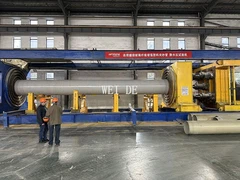
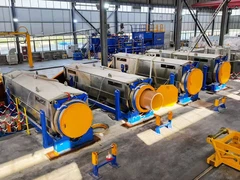
As a winding machine supplier, we offer a diverse range of winding machines to meet the various needs of motor manufacturers. Our Epoxy Pipe Winding Machine is designed for applications where high - precision winding of epoxy - coated pipes is required. It provides excellent control over the winding process, ensuring consistent quality and performance.
Our Epoxy Horizontal Winding Machine is another great option for motor manufacturers. It is suitable for horizontal winding applications and offers advanced features such as programmable winding patterns and automatic tension control.
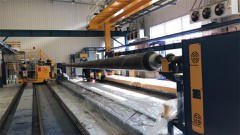
For those in the marine industry, our Marine Fiberglass Pipeline Production Line is a comprehensive solution for manufacturing high - quality fiberglass pipelines. It combines the latest winding technology with efficient production processes to deliver products that meet the strict requirements of the marine environment.


Conclusion
In conclusion, the winding machine is an indispensable tool in the motor manufacturing process. It ensures precision, consistency, and productivity, while also contributing to quality control. As a winding machine supplier, we are committed to providing our customers with the best - in - class winding machines that can help them produce high - quality motors efficiently.
If you are a motor manufacturer looking to improve your production process, enhance the quality of your products, or increase your productivity, we invite you to contact us for a detailed discussion. Our team of experts is ready to assist you in finding the right winding machine solution for your specific needs. Let's work together to take your motor manufacturing to the next level.
References
- "Electric Motor Handbook" by Paul Krause, Oleg Wasynczuk, and Scott Sudhoff
- "Motor Winding Technology" by various industry experts in motor manufacturing
Send Inquiry