



How to clean a marine fiberglass pipeline production line?
Sep 29, 2025
Leave a message
Hey there! As a supplier of the Marine Fiberglass Pipeline Production Line, I know how crucial it is to keep your production line in top - notch condition. A clean production line not only ensures the quality of the fiberglass pipelines you're manufacturing but also extends the lifespan of your equipment. So, let's dive into how you can clean a marine fiberglass pipeline production line.
Pre - cleaning Preparation
Before you start cleaning, it's important to gather all the necessary tools and materials. You'll need safety gear like gloves, goggles, and a respirator. Fiberglass dust can be harmful if inhaled, so don't skip this step. You'll also need cleaning agents. For general dirt and grime, a mild detergent mixed with water can work wonders. But for more stubborn resin and epoxy residues, you might need a specialized solvent.
Make sure to power off the entire production line. This is a no - brainer for safety reasons. You don't want any accidental starts while you're cleaning around moving parts. Also, remove any loose parts or debris from the line. This includes scraps of fiberglass, excess resin, and any other foreign objects that could get in the way of a thorough clean.
Cleaning the Winding Machines
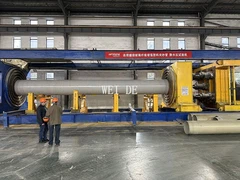
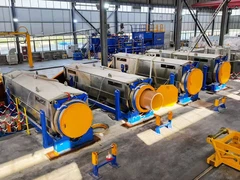
The Epoxy Horizontal Winding Machine and Epoxy Pipe Winding Machine are the heart of the production line. Start by wiping down the exterior of the machines with a clean, damp cloth. This will remove any surface dust and dirt.
For the interior parts, especially the areas where the resin and fiberglass come into contact, you'll need to be more careful. Use a soft - bristle brush to gently scrub away any resin buildup. If there's a lot of resin, soak a cloth in the specialized solvent and carefully apply it to the affected areas. Let it sit for a few minutes to loosen the resin, then wipe it away.
Don't forget to clean the rollers and guides. These parts are essential for the proper winding of the fiberglass. Use a degreaser to remove any oil or grease that may have accumulated. After cleaning, dry the parts thoroughly to prevent rust.
Cleaning the Resin Mixing and Delivery Systems
The resin mixing and delivery systems are prone to clogs and residue buildup. First, drain any remaining resin from the system. You can usually do this by opening the appropriate valves. Then, flush the system with a cleaning solution. A mixture of water and a mild detergent is a good start. Run the cleaning solution through the pipes and hoses for a few minutes to dislodge any clogs.
If there are still stubborn clogs, you may need to use a stronger solvent. But be careful, as some solvents can damage the pipes and hoses if used incorrectly. After flushing, rinse the system thoroughly with clean water to remove any traces of the cleaning solution.
Cleaning the Cutting and Finishing Areas
The cutting and finishing areas can get pretty messy with fiberglass dust and debris. Use a vacuum cleaner with a HEPA filter to suck up the loose dust. This will prevent the dust from spreading around the production area.
For the cutting blades and saws, clean them with a blade cleaner. This will remove any resin and fiberglass that has stuck to the blades. After cleaning, lubricate the blades to keep them sharp and in good working condition.
The finishing tables and workbenches also need to be cleaned. Wipe them down with a disinfectant to remove any bacteria or dirt that may have accumulated. Make sure to clean the edges and corners where dust and debris tend to collect.
Post - cleaning Maintenance
Once you've finished cleaning the entire production line, it's time for some post - cleaning maintenance. Inspect all the parts for any signs of wear and tear. Replace any damaged parts immediately to avoid breakdowns during production.
Lubricate all the moving parts according to the manufacturer's recommendations. This will ensure smooth operation and reduce friction, which can lead to premature wear.
Finally, start up the production line and run a test cycle. Check for any abnormal noises or vibrations. If you notice anything unusual, shut down the line and investigate the problem.
Regular Cleaning Schedule
To keep your marine fiberglass pipeline production line in the best possible condition, it's important to establish a regular cleaning schedule. A daily cleaning routine should include wiping down the surfaces, removing loose debris, and checking for any obvious signs of dirt or buildup.
A weekly cleaning should be more thorough. This includes cleaning the winding machines, resin mixing systems, and cutting areas in more detail.
Monthly or quarterly deep - cleaning sessions are also necessary. During these sessions, you can disassemble some of the parts for a more in - depth clean and inspection.


Why Cleanliness Matters
A clean production line is not just about aesthetics. It has a direct impact on the quality of the marine fiberglass pipelines you produce. A dirty production line can lead to defects in the pipes, such as uneven winding, poor resin distribution, and rough finishes.
Cleaning also helps to prevent breakdowns. Resin and fiberglass buildup can cause the machines to jam or malfunction. By keeping the line clean, you can reduce the risk of costly repairs and downtime.
In addition, a clean workplace is a safe workplace. Fiberglass dust can be a health hazard, and a dirty production line can increase the risk of slips, trips, and falls.
Conclusion
Cleaning a marine fiberglass pipeline production line is a detailed and important task. By following the steps I've outlined above, you can ensure that your production line runs smoothly, produces high - quality pipes, and has a long lifespan.
If you're in the market for a new Marine Fiberglass Pipeline Production Line, or if you have any questions about cleaning or maintaining your existing line, don't hesitate to reach out. We're here to help you get the most out of your production equipment. Contact us for more information and to start a procurement discussion.
References
- Industry standards for fiberglass pipeline production line maintenance
- Manufacturer's manuals for epoxy winding machines and resin mixing systems
Send Inquiry