



How does a Type 4 cylinder factory ensure product quality control?
Nov 19, 2025
Leave a message
Hey there! I'm a supplier for a Type 4 cylinder factory, and I've seen firsthand how crucial product quality control is in this industry. In this blog, I'll share with you the key steps and strategies that our factory uses to ensure top-notch quality for our Type 4 cylinders.
Starting with Quality Materials
The foundation of any high - quality product is the materials used. For Type 4 cylinders, we source only the best raw materials. The liner, which is typically made of high - density polyethylene (HDPE), is carefully selected. We work with trusted suppliers who can provide HDPE with consistent properties, like high chemical resistance and good mechanical strength.
The carbon fiber used for the composite overwrap is another critical component. We look for carbon fiber with high tensile strength and modulus. This ensures that the cylinder can withstand high pressures without failing. Before using any batch of materials, we conduct thorough inspections. We check for things like material purity, dimensions, and mechanical properties. This way, we can catch any potential issues early on and prevent them from affecting the final product.
Precision Manufacturing Processes
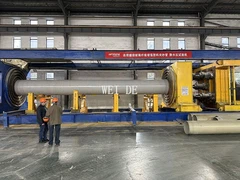
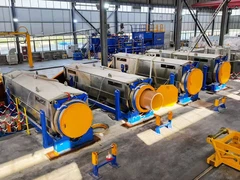
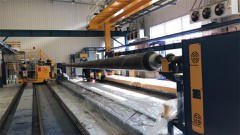
Once we have the right materials, it's all about the manufacturing process. One of the most important steps in making Type 4 cylinders is the filament winding process. We use state - of the - art Pressure Vessal Winding Machine and Type 4 Cylinder Winding Machine to ensure precise winding of the carbon fiber over the liner.
These machines are programmed to wind the fiber at specific angles and tensions. This is crucial because the winding pattern affects the cylinder's strength and performance. For example, a proper winding pattern can distribute the pressure evenly across the cylinder, reducing the risk of stress concentrations.
During the winding process, we also monitor the resin application. The resin acts as a binder for the carbon fiber, and the right amount and distribution are essential. Too little resin can lead to weak bonding, while too much can add unnecessary weight and affect the cylinder's performance.
In - Process Quality Checks
We don't just rely on the machines to do everything right. We have a series of in - process quality checks at every stage of manufacturing. For instance, after the filament winding is complete, we use non - destructive testing methods like ultrasonic testing. This helps us detect any internal defects, such as voids or delaminations in the composite overwrap.
We also measure the dimensions of the cylinder at various points. This ensures that the cylinder meets the required specifications. Any deviation from the standard dimensions can affect the cylinder's fit and performance in its intended application. If we find any issues during these in - process checks, we take immediate action. This could mean adjusting the manufacturing process, reworking the part, or even scrapping it if the defect is too severe.
Final Product Testing
Once the cylinders are fully manufactured, they go through a battery of final product tests. One of the most important tests is the hydrostatic test. In this test, the cylinder is filled with water and pressurized to a level higher than its normal operating pressure. We monitor the cylinder closely during this test to check for any leaks or deformations.
We also conduct burst tests on a sample of cylinders from each production batch. This involves increasing the pressure until the cylinder fails. By analyzing the burst pressure and the failure mode, we can ensure that the cylinders meet the safety standards.
In addition to these pressure - related tests, we also test the cylinder's resistance to environmental factors. For example, we expose the cylinders to high and low temperatures, humidity, and chemicals. This helps us determine how the cylinders will perform in real - world conditions.
Employee Training and Quality Culture
Quality control isn't just about machines and tests; it's also about the people. We invest a lot in employee training. Our workers are trained not only in the technical aspects of manufacturing but also in quality control principles. They understand the importance of their role in ensuring the quality of the final product.
We also foster a quality culture within the factory. Everyone from the production line workers to the management is encouraged to take ownership of quality. We have a system in place where employees can report any quality - related issues they notice. This open communication helps us address problems quickly and continuously improve our processes.
Supplier Management
As a supplier myself, I know how important it is for the factory to manage its suppliers effectively. We work closely with all our suppliers to ensure that they meet our quality requirements. We have a supplier evaluation system in place, where we regularly assess the performance of our suppliers based on factors like product quality, delivery time, and customer service.


We also have a clear set of specifications and quality standards that we communicate to our suppliers. This helps them understand exactly what we expect from them. If a supplier fails to meet our standards, we work with them to find a solution. In some cases, if the issues persist, we may have to look for alternative suppliers.
Continuous Improvement
Quality control is an ongoing process. We're always looking for ways to improve our products and processes. We collect data from all the quality checks and tests we conduct. By analyzing this data, we can identify trends and areas for improvement.
For example, if we notice that a particular batch of cylinders has a higher rate of a certain type of defect, we investigate the root cause. It could be a problem with the manufacturing process, the materials, or something else. Once we identify the root cause, we implement corrective actions to prevent the issue from happening again in the future.
Conclusion
Ensuring product quality control in a Type 4 cylinder factory is a complex but essential task. It involves everything from sourcing high - quality materials to implementing strict testing procedures and fostering a quality culture. By following these steps, our factory can produce Type 4 cylinders that meet the highest standards of quality and safety.
If you're in the market for Type 4 cylinders or related winding machines like the Type 3 Cylinder Winding Machine, I encourage you to reach out to us for a procurement discussion. We're confident in the quality of our products and are ready to work with you to meet your specific needs.
References
- ASME Boiler and Pressure Vessel Code
- ISO standards for composite pressure vessels
- Industry research on carbon fiber composites for pressure vessels
Send Inquiry