



How does a Type 4 cylinder factory handle product recalls?
Oct 20, 2025
Leave a message
How does a Type 4 cylinder factory handle product recalls?
As a supplier to a Type 4 cylinder factory, I've witnessed firsthand the meticulous processes involved in handling product recalls. Type 4 cylinders, known for their lightweight and high - performance characteristics, are widely used in various industries such as automotive for hydrogen storage and in some industrial gas applications. When a recall situation arises, it's a complex operation that requires a well - coordinated approach to ensure safety, maintain customer trust, and comply with regulatory requirements.
Identification of the Problem
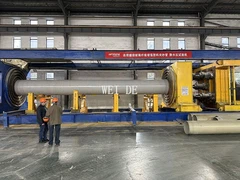
The first step in any product recall is identifying the problem. This can occur through multiple channels. Internal quality control checks might detect a manufacturing defect. For example, during the production process, our Pressure Vessal Winding Machine is a crucial piece of equipment. If there are issues with the winding pattern, it could lead to structural weaknesses in the cylinders. Sometimes, these problems are only discovered during routine testing, where cylinders may fail to meet the required pressure or safety standards.
External feedback also plays a significant role. Customers may report issues such as leaks, abnormal pressure drops, or other malfunctions. In some cases, regulatory bodies can identify problems through their own inspections or investigations. Once a potential problem is identified, a detailed root - cause analysis is conducted. This involves a cross - functional team of engineers, quality control experts, and production staff. They review production records, test data, and any relevant information to determine the scope and severity of the problem.
Notification Process
Once the problem has been identified and analyzed, the next step is to notify all relevant parties. This includes customers, distributors, and regulatory authorities. The notification should be clear, concise, and provide all the necessary information about the recall. It should state the reason for the recall, the affected product models and serial numbers, and the potential risks associated with using the defective cylinders.


For customers, we usually send out individual letters or emails. These communications are personalized to the customer's specific situation and may include instructions on how to return the cylinders safely. Distributors are also informed so that they can stop selling the affected products and assist in the recall process. Regulatory authorities are notified as soon as possible to ensure compliance with local and international regulations. This helps to maintain transparency and shows our commitment to safety.
Retrieval of Defective Products
The retrieval of defective Type 4 cylinders is a critical part of the recall process. We work closely with customers and distributors to arrange for the safe return of the cylinders. This may involve providing shipping labels or coordinating with third - party logistics providers. Safety is of utmost importance during the retrieval process. Cylinders that may be under pressure or contain hazardous materials need to be handled with extreme care.
We also establish a system to track the returned cylinders. Each cylinder is assigned a unique identifier, and its status is updated in a database as it moves through the retrieval process. This helps us to keep track of the progress of the recall and ensure that all affected cylinders are accounted for.
Remediation and Disposal
Once the defective cylinders are retrieved, they undergo a thorough inspection and remediation process. Depending on the nature of the problem, some cylinders may be repaired. For example, if the issue is a minor seal failure, the seal can be replaced, and the cylinder can be retested to ensure it meets the required standards.
However, in some cases, the cylinders may be beyond repair. These cylinders need to be disposed of properly to prevent any environmental or safety risks. Disposal methods are carefully chosen based on the materials used in the cylinders. Type 4 cylinders typically have a composite outer layer and a liner, and the disposal process needs to take into account the recycling or proper destruction of these materials.
Communication and Follow - up
Throughout the recall process, communication is key. We keep customers, distributors, and regulatory authorities informed about the progress of the recall. Regular updates are provided on the number of cylinders retrieved, the status of the remediation process, and any changes in the recall plan.
After the recall is completed, we conduct a follow - up with customers to ensure their satisfaction. This includes providing replacement cylinders or compensation if necessary. We also use the lessons learned from the recall to improve our production processes and quality control measures. This helps to prevent similar problems from occurring in the future.
Prevention of Future Recalls
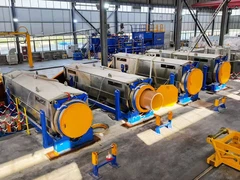
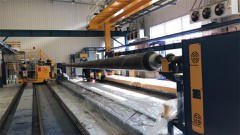
To prevent future recalls, we invest heavily in quality control and continuous improvement. Our Type 4 Cylinder Winding Machine and Pressure Cylinder Winding Machine are regularly maintained and updated to ensure optimal performance. We also conduct regular audits of our production processes to identify and address any potential issues before they become major problems.
Employee training is another important aspect. All employees involved in the production, testing, and quality control of Type 4 cylinders are trained on the latest safety standards and best practices. This helps to ensure that everyone in the organization is aware of their role in maintaining product quality and safety.
Conclusion
Handling product recalls in a Type 4 cylinder factory is a complex but necessary process. It requires a well - organized approach that focuses on safety, communication, and continuous improvement. By following a systematic process from problem identification to remediation and prevention, we can minimize the impact of recalls on our customers, our reputation, and the environment.
If you are in the market for high - quality Type 4 cylinders or related equipment, we invite you to reach out to us for more information. Our team of experts is ready to assist you with your specific needs and provide you with the best solutions in the industry.
References
- Industry standards and regulations related to Type 4 cylinders
- Internal quality control and production records
- Previous case studies of Type 4 cylinder recalls
Send Inquiry