



What are the installation requirements for GRP/Frp pipe widening?
Oct 20, 2025
Leave a message
Hey there! As a supplier of GRP/FRP pipe widening products, I'm super stoked to share with you all the ins and outs of the installation requirements for GRP/FRP pipe widening. Whether you're a DIY enthusiast or a professional contractor, understanding these requirements is crucial for a successful installation.
First off, let's talk about what GRP/FRP pipes are. GRP stands for Glass Reinforced Plastic, and FRP stands for Fiber Reinforced Plastic. These pipes are made by combining a polymer matrix with glass or other fibers, which gives them excellent strength, durability, and corrosion resistance. They're widely used in various industries, including water treatment, chemical processing, and oil and gas.
Now, when it comes to widening GRP/FRP pipes, there are a few key installation requirements you need to keep in mind.
Site Preparation
The first step in any installation project is to prepare the site. This involves clearing the area where the pipes will be installed and making sure it's level and free of any debris or obstacles. You also need to ensure that the ground is stable and can support the weight of the pipes and any equipment that will be used during the installation.
If the site is located in an area with high groundwater levels, you may need to take additional measures to prevent water from seeping into the excavation. This could include installing a drainage system or using a waterproofing membrane.
Pipe Handling and Storage
Proper handling and storage of GRP/FRP pipes are essential to prevent damage during transportation and installation. When handling the pipes, make sure to use appropriate lifting equipment and avoid dropping or dragging them. You should also protect the pipes from sharp objects and abrasive surfaces.
During storage, the pipes should be stored in a dry, cool place away from direct sunlight. They should be stacked in a way that prevents them from rolling or shifting, and they should be supported at regular intervals to prevent sagging.
Pipe Cutting and Fitting
Before you can install the widened pipes, you'll need to cut them to the appropriate length and fit them together. When cutting GRP/FRP pipes, it's important to use a sharp cutting tool and follow the manufacturer's instructions. You should also wear appropriate personal protective equipment, such as safety glasses and gloves, to prevent injury.
To fit the pipes together, you'll need to use a suitable joining method. There are several different joining methods available for GRP/FRP pipes, including adhesive bonding, mechanical coupling, and fusion welding. The method you choose will depend on the type of pipes you're using, the application, and the installation requirements.
Installation of the Widening Section
Once the pipes are cut and fitted together, it's time to install the widening section. This involves carefully positioning the widening section over the existing pipe and securing it in place. You'll need to use appropriate fasteners or adhesives to ensure a tight and secure fit.


During the installation process, it's important to make sure that the widening section is aligned correctly with the existing pipe. This will help to prevent leaks and ensure that the pipes function properly. You should also check the alignment regularly throughout the installation process to make sure everything is on track.
Testing and Inspection
After the installation is complete, it's important to test and inspect the pipes to make sure they're functioning properly. This involves conducting a pressure test to check for leaks and ensuring that the pipes can withstand the required operating pressure.
You should also inspect the pipes visually to check for any signs of damage or defects. If you notice any issues, you'll need to address them immediately to prevent further problems.
Equipment and Tools
To install GRP/FRP pipe widening, you'll need a variety of equipment and tools. Some of the essential equipment and tools include:
- Lifting equipment: Such as cranes or forklifts, to handle the pipes during installation.
- Cutting tools: Such as saws or routers, to cut the pipes to the appropriate length.
- Joining equipment: Such as adhesives, mechanical couplings, or fusion welding equipment, to join the pipes together.
- Measuring tools: Such as tape measures or levels, to ensure accurate installation.
- Safety equipment: Such as safety glasses, gloves, and hard hats, to protect yourself during the installation process.
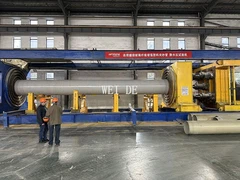
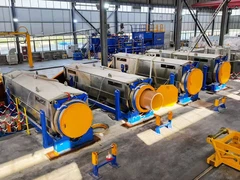
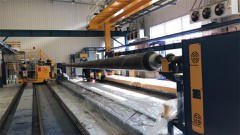
If you're looking for high-quality equipment for GRP/FRP pipe production, you might be interested in our Continue Filament Winding FRP Pipe Produciton Line, CFW Continuous Pipe Winding Machine, and Composite Material Winding Equipment. These machines are designed to provide efficient and reliable production of GRP/FRP pipes.
Conclusion
Installing GRP/FRP pipe widening requires careful planning, proper preparation, and the use of appropriate equipment and tools. By following the installation requirements outlined in this blog post, you can ensure a successful installation and a long-lasting, reliable pipe system.
If you have any questions or need further information about GRP/FRP pipe widening or our products, don't hesitate to get in touch. We're here to help you with all your pipe installation needs and look forward to discussing potential procurement opportunities with you.
References
- Manufacturer's installation guides for GRP/FRP pipes
- Industry standards and best practices for pipe installation
Send Inquiry