



How to conduct a comprehensive inspection of a Continuous Fiberglass Pipe Winding Machine?
Oct 29, 2025
Leave a message
Conducting a comprehensive inspection of a Continuous Fiberglass Pipe Winding Machine is crucial to ensure its optimal performance, reliability, and the production of high - quality fiberglass pipes. As a supplier of Continuous Fiberglass Pipe Winding Machines, I will share a detailed guide on how to carry out such an inspection.
Pre - inspection Preparations
Before starting the inspection, it is essential to gather the necessary tools and materials. These may include a set of wrenches, screwdrivers, measuring tools such as calipers and micrometers, lubricants, cleaning agents, and safety equipment like gloves and goggles. Review the machine's operation manual thoroughly to understand its specific components, functions, and maintenance requirements.
Visual Inspection
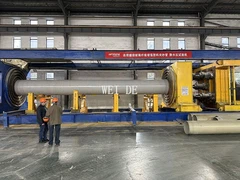
The first step in the inspection process is a visual examination of the entire machine. Check for any visible signs of damage, such as cracks, dents, or loose parts. Inspect the frame and structure of the machine to ensure its stability. Look for any signs of corrosion, which could affect the machine's longevity and performance.
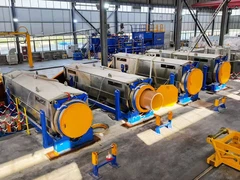
Examine the winding mandrels. The mandrels should be clean and free from any debris or resin buildup. Check for any signs of wear or damage on the surface of the mandrels, as this can directly impact the quality of the wound pipes. Any irregularities on the mandrels may cause defects in the final product, such as uneven wall thickness or surface imperfections.
Inspect the fiber feeding system. Ensure that the fiber spools are properly mounted and that the fibers are feeding smoothly without any tangles or breaks. Check the tensioning devices for the fibers to make sure they are functioning correctly. Incorrect fiber tension can lead to inconsistent winding patterns and affect the strength and integrity of the pipes.
The resin delivery system is another critical area for visual inspection. Look for any leaks in the resin hoses, valves, or pumps. Check the resin storage tanks for proper levels and cleanliness. Any contamination in the resin can result in poor - quality pipes, so it is important to ensure that the resin delivery system is in good working condition.
Mechanical Component Inspection
The mechanical components of the Continuous Fiberglass Pipe Winding Machine play a vital role in its operation. Start by inspecting the drive motors. Check the motor mounts for tightness and look for any signs of overheating, such as a burnt smell or discoloration. Listen for any unusual noises coming from the motors, which could indicate a problem with the bearings or other internal components.
Inspect the gearboxes and transmissions. Check the oil levels in the gearboxes and look for any signs of leaks. The gears should mesh smoothly, and there should be no excessive play or noise. If the gearbox has a cooling system, ensure that it is functioning properly to prevent overheating.
The bearings in the machine also require careful inspection. Check for any signs of wear, such as excessive play, noise, or heat generation. Lubricate the bearings as per the manufacturer's recommendations. Worn - out bearings can cause vibrations and misalignments, which can lead to premature failure of other components and affect the quality of the wound pipes.
Examine the belts and chains in the machine. Look for signs of wear, such as cracks, fraying, or stretching. Check the tension of the belts and chains to ensure proper power transmission. Loose or worn - out belts and chains can cause slippage, which can result in inconsistent winding speeds and affect the overall performance of the machine.
Electrical System Inspection
The electrical system of the Continuous Fiberglass Pipe Winding Machine is responsible for controlling its various functions. Begin by inspecting the electrical panels. Check for any loose connections, frayed wires, or signs of overheating. Ensure that the circuit breakers and fuses are in good condition and properly rated for the machine's electrical load.
Inspect the sensors and control devices. These components are crucial for regulating the winding process, such as controlling the speed, tension, and position of the winding. Check that the sensors are clean and properly calibrated. Any malfunction in the sensors can lead to inaccurate winding parameters and affect the quality of the pipes.
Test the emergency stop buttons to ensure they are functioning correctly. In case of an emergency, these buttons should immediately halt the operation of the machine to prevent any accidents or damage.
Control System Inspection
The control system of the Continuous Fiberglass Pipe Winding Machine allows for precise control of the winding process. Check the software and programming of the control system. Ensure that the winding patterns, speeds, and other parameters are correctly set and stored. Any errors in the programming can result in defective pipes.


Test the user interface of the control system. It should be easy to operate and display accurate information about the machine's status. Check for any error messages or warnings on the interface and address them promptly.
Winding Process Inspection
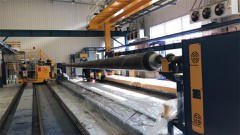
To ensure the quality of the pipes produced, it is necessary to conduct an inspection during the winding process. Start the machine and observe the winding operation. Check the winding speed and ensure that it is consistent throughout the process. Inconsistent winding speeds can lead to uneven wall thickness and affect the strength of the pipes.
Monitor the fiber placement. The fibers should be wound evenly around the mandrel, with the correct overlap and tension. Any deviations in the fiber placement can result in weak spots in the pipes.
Inspect the resin impregnation. The fibers should be fully saturated with resin to ensure proper bonding and strength. Check for any dry spots or areas with excessive resin, as these can affect the quality of the final product.
Post - inspection Actions
After completing the comprehensive inspection, it is important to document the findings. Create a detailed report that includes any issues identified, the actions taken to address them, and the overall condition of the machine. This report can be used for future reference and as a record of the machine's maintenance history.
If any parts need to be replaced or repaired, order the necessary components promptly. Follow the manufacturer's instructions for replacing or repairing the parts to ensure proper installation and functionality.
Regularly schedule follow - up inspections to monitor the machine's performance and catch any potential issues early. This proactive approach can help prevent costly breakdowns and ensure the continuous production of high - quality fiberglass pipes.
As a supplier of Continuous Fiberglass Pipe Winding Machine, we are committed to providing high - quality machines and excellent after - sales service. Our CFW Continuous Pipe Winding Machine is designed with advanced technology and precision engineering to meet the diverse needs of our customers. We also offer Continue Filament Winding FRP Pipe Produciton Line for large - scale production.
If you are interested in our Continuous Fiberglass Pipe Winding Machines or have any questions about the inspection and maintenance process, please feel free to contact us for further discussion and potential procurement. We look forward to working with you to achieve your production goals.
References
- Manufacturer's operation manual for Continuous Fiberglass Pipe Winding Machine
- Industry standards and guidelines for fiberglass pipe production and machine maintenance
Send Inquiry