



How to integrate sensors into 3D printed GRP pipes?
Oct 07, 2025
Leave a message
Integrating sensors into 3D printed Glass Reinforced Plastic (GRP) pipes is a cutting-edge approach that can significantly enhance the functionality and performance of these pipes. As a 3D print GRP pipe supplier, I have witnessed the growing demand for smart pipes equipped with sensors to monitor various parameters such as pressure, temperature, and flow rate. In this blog post, I will share some insights on how to integrate sensors into 3D printed GRP pipes effectively.
Understanding the Basics of 3D Printed GRP Pipes
Before delving into sensor integration, it's essential to understand the characteristics of 3D printed GRP pipes. GRP pipes are made of a combination of glass fibers and a polymer matrix, which provides excellent strength, corrosion resistance, and durability. 3D printing technology allows for the creation of complex geometries and customized designs, making it an ideal method for manufacturing GRP pipes.
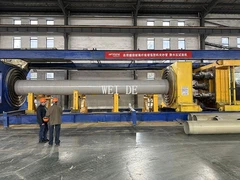
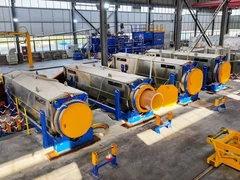
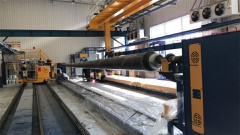
The manufacturing process of 3D printed GRP pipes typically involves the use of a Continuous Fiberglass Pipe Winding Machine or a CFW Continuous Pipe Winding Machine. These machines wind continuous glass fibers around a mandrel while impregnating them with a resin matrix. The resin is then cured to form a solid pipe.
Selecting the Right Sensors
The first step in integrating sensors into 3D printed GRP pipes is to select the appropriate sensors for the intended application. There are various types of sensors available, each designed to measure different parameters. Some common sensors used in pipe monitoring include:
- Pressure sensors: These sensors measure the pressure inside the pipe, which is crucial for detecting leaks, blockages, and ensuring proper system operation.
- Temperature sensors: Temperature sensors monitor the temperature of the fluid flowing through the pipe. This information can be used to detect overheating, freezing, or changes in the fluid's properties.
- Flow sensors: Flow sensors measure the rate of fluid flow through the pipe. This data is essential for optimizing system performance, detecting leaks, and ensuring accurate billing.
- Strain sensors: Strain sensors measure the deformation or stress in the pipe wall. This information can be used to detect structural damage, fatigue, or excessive loading.
When selecting sensors, it's important to consider factors such as accuracy, reliability, durability, and compatibility with the GRP material. The sensors should also be able to withstand the harsh environmental conditions inside the pipe, including high pressure, temperature, and chemical exposure.
Sensor Integration Techniques
Once the sensors have been selected, the next step is to integrate them into the 3D printed GRP pipes. There are several techniques that can be used for sensor integration, including:
- Embedded sensors: Embedded sensors are placed inside the pipe wall during the 3D printing process. This technique provides a high level of protection for the sensors and ensures accurate measurement of the parameters. However, it requires careful design and planning to ensure proper placement and alignment of the sensors.
- Surface-mounted sensors: Surface-mounted sensors are attached to the outer surface of the pipe using adhesives or mechanical fasteners. This technique is relatively easy to implement and allows for easy access to the sensors for maintenance and replacement. However, the sensors may be more exposed to environmental factors and may require additional protection.
- Hybrid integration: Hybrid integration combines the advantages of embedded and surface-mounted sensors. In this technique, some sensors are embedded inside the pipe wall, while others are surface-mounted. This approach provides a balance between sensor protection and accessibility.
Design Considerations
When integrating sensors into 3D printed GRP pipes, several design considerations need to be taken into account to ensure optimal performance and reliability. These considerations include:
- Sensor placement: The sensors should be placed in locations where they can accurately measure the parameters of interest. For example, pressure sensors should be placed at strategic points along the pipe to detect pressure changes, while flow sensors should be placed in the center of the pipe to measure the flow rate accurately.
- Cable management: The sensors need to be connected to a data acquisition system using cables. Proper cable management is essential to prevent damage to the cables and ensure reliable data transmission. The cables should be routed through the pipe wall in a way that minimizes interference with the fluid flow and the structural integrity of the pipe.
- Protection and encapsulation: The sensors and cables need to be protected from the harsh environmental conditions inside the pipe. This can be achieved by encapsulating the sensors in a protective material such as epoxy resin or by using a waterproof and corrosion-resistant coating.
- Data communication: The sensors need to communicate the measured data to a central monitoring system. This can be achieved using wired or wireless communication technologies. Wired communication provides a reliable and secure connection, while wireless communication offers greater flexibility and ease of installation.
Testing and Validation
After the sensors have been integrated into the 3D printed GRP pipes, it's important to test and validate the performance of the sensors and the overall system. This involves conducting various tests, such as pressure testing, temperature testing, and flow testing, to ensure that the sensors are functioning correctly and providing accurate measurements.
The test results should be compared with the expected values to identify any discrepancies or issues. If any problems are detected, the sensors or the integration process may need to be adjusted or optimized. Once the system has been tested and validated, it can be installed and commissioned in the field.
Benefits of Sensor-Integrated 3D Printed GRP Pipes
Integrating sensors into 3D printed GRP pipes offers several benefits, including:
- Enhanced monitoring and control: Sensor-integrated pipes provide real-time data on various parameters, allowing for better monitoring and control of the system. This can help to detect and prevent problems before they occur, reducing downtime and maintenance costs.
- Improved safety and reliability: By monitoring the structural integrity of the pipe and detecting any signs of damage or fatigue, sensor-integrated pipes can help to improve the safety and reliability of the system. This is particularly important in applications where the failure of the pipe could have serious consequences, such as in the oil and gas industry.
- Optimized system performance: The data collected by the sensors can be used to optimize the performance of the system, such as adjusting the flow rate, pressure, or temperature to achieve the desired results. This can help to improve energy efficiency, reduce waste, and increase productivity.
- Predictive maintenance: Sensor-integrated pipes can provide early warning signs of potential problems, allowing for predictive maintenance. This can help to schedule maintenance activities in advance, reducing downtime and minimizing the impact on the system.
Conclusion
Integrating sensors into 3D printed GRP pipes is a promising technology that can significantly enhance the functionality and performance of these pipes. By selecting the right sensors, using appropriate integration techniques, and considering the design and testing requirements, it's possible to create smart pipes that can provide real-time data on various parameters. These pipes offer several benefits, including enhanced monitoring and control, improved safety and reliability, optimized system performance, and predictive maintenance.
If you are interested in learning more about integrating sensors into 3D printed GRP pipes or are looking for a reliable 3D print GRP pipe supplier, please feel free to contact us. We have extensive experience in manufacturing and integrating sensors into GRP pipes and can provide you with customized solutions to meet your specific requirements.


References
- Continue Filament Winding FRP Pipe Produciton Line
- "Fiber-Reinforced Polymer Composites for Civil Infrastructure: State-of-the-Art Review" by M. S. Islam, et al.
- "Sensor Technologies for Structural Health Monitoring of Civil Infrastructure" by C. R. Farrar and K. Worden.
Send Inquiry