



How to optimize the performance of the CFW Continuous Pipe Winding Machine?
Oct 22, 2025
Leave a message
Hey there! I'm a supplier of the CFW Continuous Pipe Winding Machine, and I've been in this game for quite a while. Over the years, I've seen firsthand how crucial it is to optimize the performance of these machines. In this blog post, I'll share some tips and tricks that can help you get the most out of your CFW Continuous Pipe Winding Machine.
Understanding the Basics
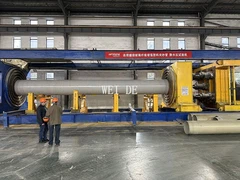
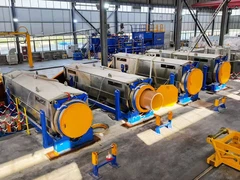
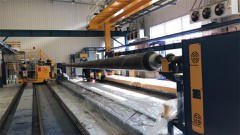
Before we dive into the optimization strategies, let's quickly go over the basics of the CFW Continuous Pipe Winding Machine. This machine is designed to wind continuous pipes using composite materials, such as fiberglass. It's a highly efficient and precise piece of equipment that can produce high-quality pipes with consistent dimensions and properties.


The key components of the CFW Continuous Pipe Winding Machine include the creel, the resin bath, the winding head, and the curing oven. The creel holds the spools of fiber, which are fed through the resin bath to impregnate them with resin. The winding head then wraps the impregnated fibers around a mandrel to form the pipe. Finally, the pipe is cured in the oven to harden the resin and give it its final shape.
Optimizing the Machine Setup
One of the first steps in optimizing the performance of the CFW Continuous Pipe Winding Machine is to ensure that it's set up correctly. This includes adjusting the tension of the fibers, the speed of the winding head, and the temperature of the curing oven.
- Fiber Tension: The tension of the fibers is critical for ensuring that they are wound evenly around the mandrel. If the tension is too high, the fibers may break or become damaged. If the tension is too low, the fibers may not be wound tightly enough, resulting in a weak pipe. To optimize the fiber tension, you can use a tension controller to monitor and adjust the tension of each fiber spool.
- Winding Speed: The speed of the winding head affects the production rate and the quality of the pipe. If the winding speed is too fast, the fibers may not be impregnated with enough resin, resulting in a weak pipe. If the winding speed is too slow, the production rate will be low. To optimize the winding speed, you can experiment with different speeds and monitor the quality of the pipes produced.
- Curing Temperature: The temperature of the curing oven is critical for ensuring that the resin hardens properly. If the temperature is too low, the resin may not cure completely, resulting in a weak pipe. If the temperature is too high, the resin may overheat and become brittle. To optimize the curing temperature, you can use a temperature controller to monitor and adjust the temperature of the oven.
Maintaining the Machine
Another important aspect of optimizing the performance of the CFW Continuous Pipe Winding Machine is to maintain it regularly. This includes cleaning the machine, lubricating the moving parts, and replacing any worn or damaged components.
- Cleaning: Regular cleaning of the machine is essential for preventing the buildup of resin and other debris, which can affect the performance of the machine. You can use a solvent or a cleaning solution to clean the machine, making sure to follow the manufacturer's instructions.
- Lubrication: Lubricating the moving parts of the machine is important for reducing friction and wear, which can extend the lifespan of the machine. You can use a lubricant recommended by the manufacturer to lubricate the moving parts, making sure to apply it in the correct amounts.
- Component Replacement: Over time, some components of the machine may wear out or become damaged. It's important to replace these components as soon as possible to prevent further damage to the machine. You can keep a stock of spare parts on hand to ensure that you can replace them quickly when needed.
Using High-Quality Materials
The quality of the materials used in the CFW Continuous Pipe Winding Machine can also have a significant impact on its performance. Using high-quality fibers and resin can result in stronger, more durable pipes with better mechanical properties.
- Fibers: The fibers used in the machine should be of high quality and have the appropriate strength and stiffness for the application. You can choose from a variety of fibers, such as fiberglass, carbon fiber, and aramid fiber, depending on your specific requirements.
- Resin: The resin used in the machine should be compatible with the fibers and have the appropriate viscosity and curing properties. You can choose from a variety of resins, such as epoxy, polyester, and vinyl ester, depending on your specific requirements.
Training the Operators
Finally, it's important to train the operators of the CFW Continuous Pipe Winding Machine to ensure that they know how to use it properly. This includes training them on the machine's operation, maintenance, and safety procedures.
- Operation Training: The operators should be trained on how to operate the machine, including how to load the fibers, adjust the tension, and start and stop the machine. They should also be trained on how to monitor the quality of the pipes produced and how to make adjustments to the machine as needed.
- Maintenance Training: The operators should be trained on how to maintain the machine, including how to clean it, lubricate the moving parts, and replace any worn or damaged components. They should also be trained on how to troubleshoot common problems and how to perform basic repairs.
- Safety Training: The operators should be trained on the safety procedures associated with the machine, including how to use personal protective equipment, how to avoid hazards, and how to respond to emergencies.
Conclusion
Optimizing the performance of the CFW Continuous Pipe Winding Machine is essential for ensuring that you get the most out of your investment. By following the tips and tricks outlined in this blog post, you can improve the efficiency, quality, and reliability of your machine, resulting in stronger, more durable pipes with better mechanical properties.
If you're interested in learning more about the CFW Continuous Pipe Winding Machine or our other Composite Material Winding Equipment, please don't hesitate to contact us. We'd be happy to answer any questions you may have and help you find the right equipment for your needs.
References
- "Continuous Filament Winding Technology" by John A. Brydges
- "Composite Materials Handbook" by S.T. Peters
- "Fiber Reinforced Composites: Materials, Manufacturing, and Design" by Daniel R. Askeland and Pradeep P. Fulay
Send Inquiry