



How to optimize the winding speed for different composite materials in composite material winding equipment?
Sep 26, 2025
Leave a message
How to optimize the winding speed for different composite materials in composite material winding equipment?
As a leading supplier of Composite Material Winding Equipment, I've witnessed firsthand the transformative power of composite materials in various industries. From aerospace to automotive, these materials offer exceptional strength-to-weight ratios and corrosion resistance, making them a top choice for engineers and manufacturers. However, achieving the perfect winding speed for different composite materials is a delicate balance that can significantly impact the quality and efficiency of the production process. In this blog post, I'll share some insights and best practices on how to optimize the winding speed for different composite materials in composite material winding equipment.
Understanding the Basics of Composite Material Winding
Before we dive into the specifics of winding speed optimization, let's take a moment to understand the basics of composite material winding. Composite material winding is a manufacturing process that involves wrapping continuous fibers, such as carbon fiber or fiberglass, around a mandrel in a specific pattern to create a composite structure. The fibers are typically impregnated with a resin matrix, which cures to form a solid, durable composite part.
The winding speed, measured in revolutions per minute (RPM), plays a crucial role in the quality and efficiency of the winding process. A too-slow winding speed can result in a longer production time and increased labor costs, while a too-fast winding speed can lead to poor fiber placement, resin pooling, and other defects in the composite part.
Factors Affecting Winding Speed
Several factors can affect the optimal winding speed for different composite materials. These factors include:


- Material Properties: Different composite materials have different properties, such as fiber type, resin viscosity, and fiber volume fraction, which can affect the winding speed. For example, carbon fiber is generally stronger and stiffer than fiberglass, but it can also be more brittle and difficult to handle. As a result, carbon fiber may require a slower winding speed to ensure proper fiber placement and avoid damage to the fibers.
- Mandrel Geometry: The shape and size of the mandrel can also affect the winding speed. Complex mandrel geometries, such as those with sharp corners or irregular shapes, may require a slower winding speed to ensure proper fiber placement and avoid fiber wrinkling or bridging.
- Winding Pattern: The winding pattern, which determines the orientation and distribution of the fibers in the composite part, can also affect the winding speed. Some winding patterns, such as helical winding, may require a slower winding speed to ensure proper fiber placement and avoid fiber crossover or entanglement.
- Equipment Capabilities: The capabilities of the composite material winding equipment, such as the maximum RPM, torque, and tension control, can also affect the winding speed. It's important to choose equipment that is capable of achieving the desired winding speed and maintaining consistent tension throughout the winding process.
Optimizing Winding Speed for Different Composite Materials
To optimize the winding speed for different composite materials, it's important to consider the factors mentioned above and follow these best practices:
- Conduct Material Testing: Before starting the winding process, it's important to conduct material testing to determine the optimal winding speed for the specific composite material being used. This can involve testing different winding speeds and observing the quality of the resulting composite part.
- Adjust Winding Parameters: Based on the results of the material testing, adjust the winding parameters, such as the RPM, tension, and feed rate, to achieve the optimal winding speed. It's important to make small adjustments and monitor the quality of the composite part to ensure that the desired results are achieved.
- Use Advanced Winding Technology: Advanced winding technology, such as computer-controlled winding machines, can help to optimize the winding speed and improve the quality of the composite part. These machines can automatically adjust the winding parameters based on the material properties, mandrel geometry, and winding pattern, ensuring consistent and accurate fiber placement.
- Train Operators: Proper training of operators is essential for optimizing the winding speed and ensuring the quality of the composite part. Operators should be trained on the operation of the composite material winding equipment, the proper handling of the composite materials, and the importance of following the winding parameters.
Case Studies
To illustrate the importance of optimizing the winding speed for different composite materials, let's take a look at some case studies:
- Case Study 1: Carbon Fiber Composite Pipe A manufacturer of carbon fiber composite pipes was experiencing issues with poor fiber placement and resin pooling in their pipes. After conducting material testing, they determined that the optimal winding speed for their carbon fiber composite material was 20 RPM. By adjusting the winding parameters and using advanced winding technology, they were able to achieve a consistent winding speed of 20 RPM and improve the quality of their pipes.
- Case Study 2: Fiberglass Composite Tank A manufacturer of fiberglass composite tanks was looking to increase the production efficiency of their tanks. After conducting material testing, they determined that the optimal winding speed for their fiberglass composite material was 30 RPM. By adjusting the winding parameters and using advanced winding technology, they were able to increase the winding speed to 30 RPM and reduce the production time of their tanks by 20%.
Conclusion
Optimizing the winding speed for different composite materials is a critical step in the production of high-quality composite parts. By understanding the factors affecting winding speed, following best practices, and using advanced winding technology, manufacturers can achieve the optimal winding speed and improve the quality and efficiency of their production process.
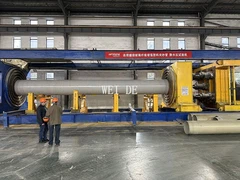
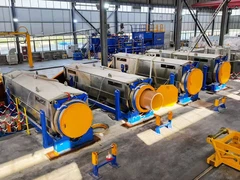
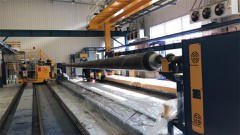
If you're interested in learning more about our CFW Continuous Pipe Winding Machine, Continuous Fiberglass Pipe Winding Machine, or Continue Filament Winding FRP Pipe Produciton Line, please contact us to discuss your specific requirements and explore how our equipment can help you optimize your winding process and achieve your production goals.
References
- "Composite Materials Handbook," ASM International, 2002.
- "Filament Winding Technology," edited by L. J. Broutman and R. H. Krock, Van Nostrand Reinhold, 1967.
- "Advanced Composites Manufacturing," edited by S. T. Peters, Chapman & Hall, 1998.
Send Inquiry