



How to prevent the composite material from slipping during the winding process in composite material winding equipment?
Dec 23, 2025
Leave a message
As a supplier of Composite Material Winding Equipment, I've witnessed firsthand the challenges that manufacturers face during the composite material winding process. One of the most common and frustrating issues is the slipping of composite materials. This problem can lead to inconsistent winding patterns, reduced product quality, and even production delays. In this blog post, I'll share some effective strategies to prevent composite material slipping during the winding process.
Understanding the Causes of Slipping
Before we delve into the prevention methods, it's crucial to understand why composite materials slip during winding. Several factors can contribute to this issue:
- Insufficient Tension: If the tension applied to the composite material is too low, it won't adhere firmly to the mandrel or the previously wound layers. This lack of tension can cause the material to shift or slip during the winding process.
- Surface Conditions: The surface of the mandrel or the composite material itself can affect adhesion. A smooth or contaminated surface may reduce the friction between the material and the mandrel, leading to slipping.
- Winding Speed: Winding at an excessive speed can generate centrifugal forces that overcome the adhesion between the composite material and the mandrel. This can cause the material to slide off the mandrel or shift within the winding pattern.
- Material Properties: The type and properties of the composite material, such as its flexibility, stiffness, and resin content, can also influence its tendency to slip. Some materials may be more prone to slipping than others due to their inherent characteristics.
Strategies to Prevent Slipping
1. Optimize Tension Control
Proper tension control is essential for preventing composite material slipping. Here are some tips to optimize tension:
- Use a Tensioning System: Install a reliable tensioning system on your composite material winding equipment. This system can automatically adjust the tension based on the winding speed and the properties of the composite material.
- Calibrate the Tension: Regularly calibrate the tensioning system to ensure accurate and consistent tension throughout the winding process. This will help maintain a uniform winding pattern and prevent slipping.
- Monitor Tension: Continuously monitor the tension during winding using sensors or other monitoring devices. If the tension deviates from the desired range, make adjustments immediately to prevent slipping.
2. Prepare the Surface
The surface of the mandrel and the composite material should be properly prepared to enhance adhesion. Here's how:
- Clean the Mandrel: Before winding, clean the mandrel thoroughly to remove any dirt, oil, or debris. A clean surface will provide better adhesion for the composite material.
- Apply a Release Agent: If necessary, apply a release agent to the mandrel to prevent the composite material from sticking too tightly. However, make sure to use a release agent that is compatible with the composite material and does not reduce its adhesion.
- Roughen the Surface: In some cases, roughening the surface of the mandrel can increase friction and prevent slipping. This can be done by sanding or using a textured surface treatment.
3. Adjust Winding Speed
Winding speed plays a crucial role in preventing slipping. Here are some guidelines to follow:


- Find the Optimal Speed: Experiment with different winding speeds to find the optimal speed for your specific composite material and winding equipment. The optimal speed will depend on factors such as the material properties, the mandrel diameter, and the winding pattern.
- Avoid Excessive Speed: Avoid winding at an excessive speed, as this can generate centrifugal forces that cause slipping. If you need to increase the production rate, consider using a larger mandrel or multiple winding heads instead of increasing the winding speed.
- Gradually Increase Speed: When starting the winding process, gradually increase the speed to allow the composite material to settle and adhere to the mandrel. This will help prevent slipping at the beginning of the winding process.
4. Select the Right Composite Material
The choice of composite material can also affect its tendency to slip. Here are some factors to consider when selecting a composite material:
- Material Properties: Choose a composite material with properties that are suitable for the winding process. For example, a stiffer material may be less prone to slipping than a more flexible material.
- Resin Content: The resin content of the composite material can also influence its adhesion. A higher resin content may provide better adhesion, but it can also increase the viscosity and make the material more difficult to handle.
- Compatibility: Make sure the composite material is compatible with the winding equipment and the release agent (if used). Incompatible materials can cause adhesion problems and lead to slipping.
5. Use Adhesive or Bonding Agents
In some cases, using an adhesive or bonding agent can help prevent composite material slipping. Here's how:
- Apply an Adhesive: Apply a thin layer of adhesive to the mandrel or the composite material before winding. This can enhance the adhesion between the material and the mandrel and prevent slipping.
- Use a Bonding Agent: Some composite materials may require the use of a bonding agent to improve their adhesion. Follow the manufacturer's instructions when using a bonding agent to ensure proper application and performance.
Conclusion
Preventing composite material slipping during the winding process is crucial for ensuring high-quality products and efficient production. By optimizing tension control, preparing the surface, adjusting the winding speed, selecting the right composite material, and using adhesive or bonding agents, you can minimize the risk of slipping and achieve consistent winding results.
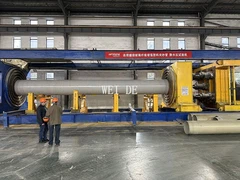
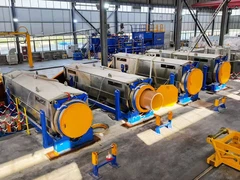
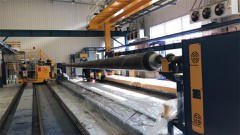
As a leading supplier of Composite Material Winding Equipment, we offer a range of advanced winding machines, including the CFW Continuous Pipe Winding Machine, Continuous Fiberglass Pipe Winding Machine, and Continue Filament Winding FRP Pipe Produciton Line. Our equipment is designed to provide precise tension control, high winding speeds, and excellent adhesion, helping you prevent composite material slipping and achieve superior winding results.
If you're facing challenges with composite material slipping or need assistance in selecting the right winding equipment for your application, please don't hesitate to contact us. Our team of experts is ready to help you find the best solutions for your production needs.
References
- "Composite Materials Handbook," ASM International.
- "Filament Winding Technology," Technomic Publishing Company.
- "Advanced Composite Materials: Manufacturing, Properties, and Applications," CRC Press.
Send Inquiry