



How to troubleshoot problems in 'Countinue winding'?
Dec 15, 2025
Leave a message
Troubleshooting problems in continuous winding is a crucial skill for any supplier in the field. As a continuous winding supplier, I've encountered a wide range of issues over the years. In this blog post, I'll share some common problems and effective solutions to keep your continuous winding processes running smoothly.
Understanding Continuous Winding
Continuous winding is a manufacturing process used to produce various products, such as pipes, tubes, and other cylindrical structures. It involves winding fibers, typically fiberglass, around a rotating mandrel in a continuous manner while applying resin to bind the fibers together. This process is widely used in industries like construction, automotive, and aerospace due to its ability to produce strong and lightweight components.
Common Problems in Continuous Winding
1. Resin Flow Issues
One of the most common problems in continuous winding is resin flow issues. Resin is the key component that holds the fibers together, and any irregularities in its flow can lead to weak spots or even structural failures in the final product.
- Cause: Clogged resin delivery systems, improper resin viscosity, or incorrect temperature settings can all contribute to resin flow problems.
- Solution: Regularly clean the resin delivery system to prevent clogs. Adjust the resin viscosity by adding thinners or thickeners as needed. Ensure that the resin temperature is within the recommended range, as temperature can significantly affect viscosity.
2. Fiber Tension Variations
Maintaining consistent fiber tension is essential for producing high - quality continuous wound products. Uneven fiber tension can result in products with inconsistent wall thickness, reduced strength, and poor surface finish.
- Cause: Worn tensioning devices, improper fiber feeding, or mechanical issues in the winding machine can cause fiber tension variations.
- Solution: Inspect and replace worn tensioning devices regularly. Ensure that the fiber feeding system is properly aligned and functioning correctly. Check the mechanical components of the winding machine for any signs of wear or damage and make necessary repairs.
3. Mandrel Issues
The mandrel is the core around which the fibers are wound. Any problems with the mandrel can directly affect the quality of the final product.
- Cause: Mandrel surface roughness, incorrect mandrel dimensions, or mandrel deformation during the winding process can lead to issues.
- Solution: Polish the mandrel surface to ensure a smooth finish. Double - check the mandrel dimensions before starting the winding process and make sure they meet the specifications. If the mandrel shows signs of deformation, replace it immediately.
4. Winding Pattern Irregularities
The winding pattern determines the strength and performance characteristics of the continuous wound product. Irregular winding patterns can compromise the product's integrity.


- Cause: Malfunctioning winding controls, incorrect programming, or mechanical misalignments can cause winding pattern irregularities.
- Solution: Check the winding control system for any error messages or malfunctions. Review and correct the winding program if necessary. Inspect the mechanical components of the winding machine for proper alignment and make adjustments as needed.
Advanced Troubleshooting Techniques
1. Monitoring and Data Analysis
Implementing a monitoring system can help detect problems early and prevent them from escalating. By collecting data on various process parameters such as resin flow rate, fiber tension, and winding speed, you can identify trends and potential issues.
- Solution: Install sensors on the winding machine to collect data on key process parameters. Use data analysis software to analyze the collected data and identify any deviations from the normal operating range. Set up alerts to notify operators when a parameter goes out of bounds.
2. Root Cause Analysis
When a problem occurs, it's important to conduct a thorough root cause analysis to prevent it from recurring. This involves identifying all possible causes and testing each one to determine the actual root cause.
- Solution: Use tools like the 5 Whys technique to dig deep into the problem. Start by asking "why" the problem occurred and continue asking "why" for each answer until you reach the root cause. Once the root cause is identified, develop and implement corrective actions.
Importance of Regular Maintenance
Regular maintenance is the key to preventing problems in continuous winding. By keeping the winding machine and associated equipment in good working condition, you can minimize downtime and ensure consistent product quality.
- Solution: Develop a comprehensive maintenance schedule that includes tasks such as cleaning, lubrication, inspection, and replacement of worn parts. Train your maintenance staff to perform these tasks correctly and on time.
Our Continuous Winding Machines
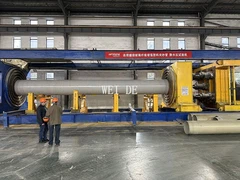
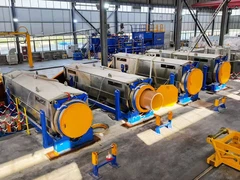
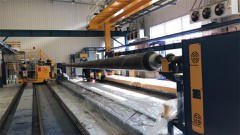
As a continuous winding supplier, we offer a range of high - quality winding machines, including the CFW Continuous Pipe Winding Machine, Continuous Fiberglass Pipe Winding Machine, and Continue Filament Winding FRP Pipe Produciton Line. These machines are designed to provide reliable and efficient performance, but like any equipment, they may encounter problems from time to time.
Contact Us for Procurement and Troubleshooting Support
If you're experiencing problems with your continuous winding processes or are interested in purchasing our high - quality continuous winding machines, we're here to help. Our team of experts has extensive experience in troubleshooting and can provide you with the support you need to keep your operations running smoothly. Whether you need technical advice, spare parts, or a new machine, we're committed to providing you with the best solutions. Contact us today to start a discussion about your needs and how we can assist you.
References
- "Filament Winding Technology" by R. T. Fenner
- "Handbook of Composites Manufacturing" edited by S. T. Peters
Send Inquiry