



What are the import and export regulations for a Pressure Cylinder Winding Machine?
Oct 30, 2025
Leave a message
Hey there! As a supplier of Pressure Cylinder Winding Machines, I've dealt with all sorts of import and export regulations. It's a bit of a maze, but I'm here to break it down for you.
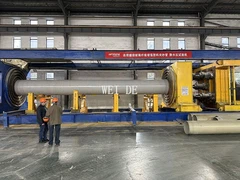
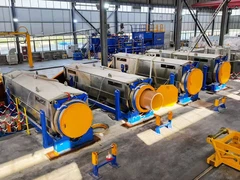
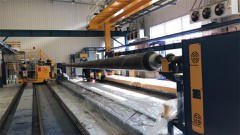
First off, let's talk about what a Pressure Cylinder Winding Machine is. These machines are used to wind filaments around pressure cylinders, which are crucial in various industries like aerospace, automotive, and energy. There are different types, such as the Type 4 Cylinder Winding Machine, Pressure Cylinder Winding Machine, and Type 3 Cylinder Winding Machine. Each type has its own features and applications, but they all fall under the category of pressure cylinder winding equipment.
Export Regulations
When it comes to exporting a Pressure Cylinder Winding Machine, there are several key regulations to keep in mind.
Licensing and Permits
Most countries require exporters to obtain specific licenses or permits. This is to ensure that the machine doesn't fall into the wrong hands, especially considering its potential use in sensitive industries. For example, if the machine can be used in the production of military - grade pressure cylinders, it might be subject to strict export controls. You'll need to check with your local trade department to see what kind of licenses you need. In the United States, the Bureau of Industry and Security (BIS) is responsible for regulating the export of certain types of machinery. You may need to apply for an export license through their system, which can be a bit time - consuming.
Product Classification
Accurately classifying your Pressure Cylinder Winding Machine is crucial. This is usually done using the Harmonized System (HS) codes. These codes are used worldwide to identify products for customs purposes. A wrong classification can lead to delays at the border, additional fees, or even penalties. The HS code for your machine will depend on its features, such as the number of axes, the type of filaments it can handle, and its maximum winding speed. You can consult a customs broker or use online resources to find the correct HS code for your specific machine.
Documentation
Exporting requires a lot of paperwork. You'll need to prepare a commercial invoice, which includes details about the machine, such as its description, value, and quantity. A bill of lading is also necessary, which is a document issued by the carrier that acknowledges receipt of the goods for shipment. Additionally, you may need a certificate of origin, which states where the machine was manufactured. This can be important for trade agreements and preferential tariff rates.
Safety and Quality Standards
Your machine must meet the safety and quality standards of the importing country. This may include electrical safety standards, mechanical safety features, and environmental regulations. For example, the European Union has strict safety standards under the Machinery Directive. Your machine may need to be tested and certified to meet these standards before it can be exported to EU countries. This can involve hiring a third - party testing agency to conduct the necessary tests and issue the relevant certificates.
Import Regulations
If you're importing a Pressure Cylinder Winding Machine, the regulations are just as important.
Customs Duties and Taxes
When importing, you'll have to pay customs duties and taxes. The amount depends on the value of the machine, its HS code, and the trade agreements between your country and the exporting country. Some countries have free trade agreements that can reduce or eliminate customs duties. For example, if your country has a free trade agreement with the country where the machine is being exported from, you may be able to import the machine at a lower cost. You'll need to calculate these costs in advance to ensure that your import is financially viable.


Local Regulations and Standards
Just like with exports, the machine must meet the local safety and quality standards of the importing country. You may need to have the machine inspected by local authorities to ensure compliance. In some cases, you may need to make modifications to the machine to meet these standards. For example, if your country has different electrical voltage requirements, you may need to have the machine rewired.
Import Licenses
Similar to exports, some countries require importers to obtain import licenses. This is especially true for machines that are subject to special regulations, such as those used in the production of hazardous materials or in industries with strict security requirements. You'll need to check with your local customs department to see if an import license is required for your Pressure Cylinder Winding Machine.
How Regulations Impact the Business
These import and export regulations can have a significant impact on our business as a Pressure Cylinder Winding Machine supplier.
Cost
The cost of complying with regulations can be high. Obtaining licenses, conducting tests, and preparing documentation all come with a price tag. These costs are often passed on to the customer, which can make our machines more expensive compared to local alternatives in some markets. However, customers also value the assurance that the machine meets all the necessary standards, so it can be a trade - off.
Time
Regulatory compliance can also cause delays. The process of obtaining licenses, waiting for test results, and dealing with customs can take weeks or even months. This can be frustrating for both us as suppliers and our customers. We need to factor in these potential delays when making delivery promises to our customers.
Market Access
On the positive side, complying with regulations can open up new markets. If our machines meet the strict standards of a particular country, we can access a larger customer base. For example, if we can get our machines certified to meet the high - end safety standards of Japan, we can tap into the Japanese market, which has a high demand for quality industrial equipment.
Tips for Navigating Regulations
Work with Experts
Don't try to navigate these regulations on your own. Hire a customs broker who has experience in handling the import and export of machinery. They can help you with licensing, documentation, and classification. A good customs broker can save you a lot of time and money in the long run.
Stay Informed
Regulations are constantly changing. Keep up - to - date with the latest changes in import and export regulations by subscribing to trade newsletters, attending industry seminars, and following relevant government websites. This will help you avoid any surprises at the border.
Build Relationships
Build good relationships with your customers, suppliers, and regulatory authorities. If you have a good relationship with your customers, they'll be more understanding if there are any delays due to regulatory issues. And having a good relationship with regulatory authorities can make the licensing and compliance process smoother.
Conclusion
As a supplier of Pressure Cylinder Winding Machines, dealing with import and export regulations is an inevitable part of the business. It can be a complex and challenging process, but with the right knowledge and approach, you can navigate these regulations successfully. Whether you're exporting to a new market or importing a new machine for your own use, make sure you understand all the regulations involved. If you're interested in purchasing a Pressure Cylinder Winding Machine or have any questions about our products, feel free to reach out. We're here to help you with all your pressure cylinder winding needs.
References
- Bureau of Industry and Security (BIS)
- Harmonized System (HS) code resources
- European Union Machinery Directive
- Local trade and customs departments
Send Inquiry