



What is a winding machine?
Jan 01, 2026
Leave a message
What is a winding machine? Well, let me break it down for you. As a supplier of winding machines, I've seen firsthand how these nifty pieces of equipment can revolutionize various industries.
The Basics of a Winding Machine
At its core, a winding machine is a device designed to wrap materials like wire, thread, or fiber around a core or a form. This process is super important in a ton of manufacturing and production scenarios. You can find winding machines in the electrical industry, textile manufacturing, and even in the production of composite materials.
Let's talk more about what these machines can do. In the electrical field, for example, winding machines are used to create coils for transformers, motors, and generators. The way they work is pretty fascinating. The machine takes a spool of wire and precisely wraps it around a bobbin or a core, following a specific pattern. This pattern is crucial because it determines the electrical properties of the coil, like its resistance and inductance.
In the textile industry, winding machines play a different but equally important role. They're used to transfer yarn from one package to another, making it easier to use in the weaving or knitting processes. The machine can ensure that the yarn is wound tightly and evenly, which helps prevent tangles and breaks during the production process.
Types of Winding Machines
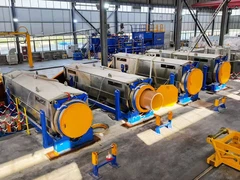
There are all sorts of winding machines out there, each designed for a specific purpose. One type that's really popular is the epoxy winding machine. These machines are used in the production of composite materials, especially in the making of pipes and other tubular structures.
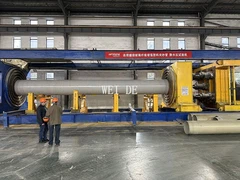
The Epoxy Pipe Winding Machine is a great example. It's specifically designed to wind epoxy-impregnated fibers around a mandrel to create strong and durable pipes. These pipes are used in a variety of applications, from plumbing to industrial piping systems. The machine can control the speed, tension, and angle of the winding, which ensures that the pipes have the right strength and quality.
Another type is the Epoxy Horizontal Winding Machine. This machine is used for winding larger and longer structures, like tanks and pressure vessels. It works horizontally, which allows for better control of the winding process and can handle heavier loads.
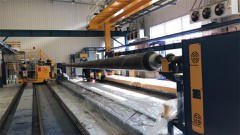
And then there's the Epoxy Filament Winding Machine. This machine is all about precision. It's used to wind individual filaments of epoxy-impregnated fiber around a core to create high-strength composite parts. These parts are often used in aerospace, automotive, and other high-tech industries where weight and strength are critical factors.
How Winding Machines Work
So, how do these winding machines actually work? It all starts with the material that needs to be wound. This material is usually stored on a spool or a bobbin. The machine then uses a series of guides and tensioners to control the flow of the material as it's being wound.
The core or the form around which the material is wound is called the mandrel. The mandrel can be shaped in different ways, depending on the final product that's being made. For example, if you're making a pipe, the mandrel will be a cylindrical shape. The winding machine rotates the mandrel while simultaneously feeding the material around it.
The speed and tension of the winding are carefully controlled by the machine. This is important because it affects the quality and performance of the final product. Too much tension can cause the material to break, while too little tension can result in a loose and uneven winding.
Benefits of Using a Winding Machine
There are a whole bunch of benefits to using a winding machine in your production process. First of all, it can greatly improve the efficiency of your operations. These machines can wind materials much faster than a human operator can, which means you can produce more products in less time.
Secondly, winding machines can improve the quality of your products. They can ensure that the winding is consistent and precise, which results in products that have better performance and durability. For example, in the case of electrical coils, a well-wound coil will have better electrical properties and will be less likely to fail.
Another benefit is that winding machines can reduce labor costs. By automating the winding process, you can reduce the number of workers needed for the task. This not only saves you money on wages but also reduces the risk of human error.
Applications of Winding Machines
The applications of winding machines are almost endless. In addition to the industries I mentioned earlier, winding machines are also used in the production of medical devices, sports equipment, and even in the jewelry industry.
In the medical field, winding machines are used to create coils for MRI machines and other diagnostic equipment. These coils need to be wound with extremely high precision to ensure accurate imaging.
In the sports equipment industry, winding machines are used to make carbon fiber shafts for golf clubs, tennis rackets, and fishing rods. The ability to control the winding process allows manufacturers to create shafts that are lightweight, strong, and have the right flex characteristics.
Maintenance of Winding Machines
Like any piece of equipment, winding machines need regular maintenance to keep them running smoothly. This includes things like cleaning the machine, lubricating the moving parts, and checking for any signs of wear or damage.
It's also important to follow the manufacturer's instructions for operating the machine. This will help prevent any accidents or breakdowns. And if you do run into any problems, make sure to have a qualified technician take a look at the machine.
Why Choose Our Winding Machines
As a supplier of winding machines, we take pride in offering high-quality products that are reliable and easy to use. Our machines are designed with the latest technology to ensure maximum efficiency and precision.
We also offer excellent customer support. Our team of experts is available to answer any questions you may have and to help you choose the right machine for your needs. Whether you're a small business or a large corporation, we can provide you with the solutions you need.
Get in Touch
If you're interested in learning more about our winding machines or if you're ready to make a purchase, don't hesitate to reach out. We're here to help you improve your production process and take your business to the next level. Contact us today to start a conversation about how our winding machines can benefit your operations.


References
- Industry standards and best practices for winding machines.
- Technical manuals from leading winding machine manufacturers.
- Case studies and research papers on the applications of winding machines in various industries.
Send Inquiry