



What is the impact of humidity on the performance of an Epoxy Pipe Winding Machine?
Jan 01, 2026
Leave a message
Hey there! I'm a supplier of Epoxy Pipe Winding Machines. Over the years, I've had my fair share of experiences with these machines, and one factor that often gets overlooked but can have a huge impact on their performance is humidity. So, today, I want to dig into what exactly the impact of humidity is on an Epoxy Pipe Winding Machine.
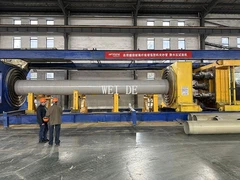
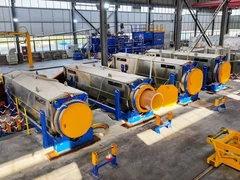
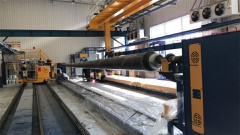
First off, let's talk a bit about how an Epoxy Pipe Winding Machine works. Essentially, it's used to produce different types of pipes, like Marine Fiberglass Pipeline Production Line and High - pressure Petroleum Pipeline Production Line. The machine winds fiberglass filaments impregnated with epoxy resin around a rotating mandrel to create a strong and durable pipe structure. The epoxy resin is a crucial component here, as it hardens and binds the fiberglass together.
Now, humidity is the amount of water vapor in the air. It can vary greatly depending on the location, season, and even time of day. And when it comes to Epoxy Pipe Winding Machines, this seemingly small factor can cause a whole bunch of problems.
Impact on Epoxy Resin Curing
One of the most significant impacts of humidity is on the curing process of the epoxy resin. Epoxy resin curing is a chemical reaction that turns the liquid resin into a solid. Ideal conditions for epoxy curing usually involve a relatively dry environment.
When the humidity is too high, water molecules in the air can interfere with the chemical reaction between the resin and the hardener. This can slow down the curing process. For example, instead of curing in the expected few hours, it might take days or even not fully cure at all. As a result, the pipes produced may not reach their intended strength and durability.
Moreover, high humidity can lead to the formation of moisture - induced defects in the cured resin. These defects can include blisters, bubbles, or a cloudy appearance. These are not just cosmetic issues; they can weaken the structure of the pipe and reduce its resistance to pressure and corrosion. So, if you're using our Epoxy Horizontal Winding Machine in a high - humidity area, you might end up with sub - standard pipes.
Effect on Fiberglass Filaments
Humidity can also affect the fiberglass filaments used in the pipe - winding process. Fiberglass is porous, and when exposed to high humidity, it can absorb moisture. This absorbed moisture can weaken the bond between the fiberglass and the epoxy resin.
Imagine the fiberglass as the skeleton of the pipe and the epoxy as the glue that holds it all together. If the fiberglass is wet from high humidity, the epoxy can't adhere to it properly. This can lead to delamination, where the layers of fiberglass separate from each other. Delaminated pipes are much more likely to fail under pressure, which is a huge problem, especially for applications like high - pressure petroleum pipelines.
Impact on Machine Components
It's not just the materials that are affected; high humidity can also take a toll on the machine components themselves. Metal parts of the Epoxy Pipe Winding Machine are prone to corrosion in a humid environment. Corrosion can damage the moving parts of the machine, such as gears and bearings, causing them to wear out faster. This not only reduces the efficiency of the machine but also increases maintenance costs.
Electrical components are also at risk. Moisture in the air can lead to electrical shorts, which can damage the control panels and other electronic parts of the machine. A malfunctioning machine means downtime, and that's a big headache for any production facility.
Impact on Operator Comfort and Safety
Let's not forget about the people operating the machine. High humidity makes the work environment uncomfortable. Workers may feel hot, sticky, and fatigued more quickly. This can lead to a decrease in productivity and an increase in the likelihood of accidents. Also, if the pipes being produced are of poor quality due to humidity - related issues, there's an added safety risk when these pipes are installed and used in real - world applications.
Solutions to Mitigate Humidity Effects
So, what can be done to deal with the impact of humidity on an Epoxy Pipe Winding Machine?


First, controlling the environment is crucial. Installing a dehumidifier in the production area can help keep the humidity levels within an acceptable range. A humidity sensor can be used to monitor the levels continuously, and the dehumidifier can be adjusted accordingly.
Proper storage of materials is also important. Fiberglass filaments and epoxy resin should be stored in a dry place to prevent moisture absorption. Before use, they can be inspected to ensure they are in good condition.
Regular maintenance of the machine is essential. This includes cleaning and lubricating the metal parts to prevent corrosion and checking the electrical components for any signs of moisture damage.
Conclusion
In conclusion, humidity can have a significant impact on the performance of an Epoxy Pipe Winding Machine. From affecting the curing of epoxy resin and the bond between fiberglass and resin to damaging the machine components and impacting operator safety, it's a factor that can't be ignored.
If you're in the market for an Epoxy Pipe Winding Machine or need more advice on handling humidity issues in your pipe - production process, don't hesitate to get in touch with us. We're here to help you ensure smooth and efficient production. Whether you're looking for a Marine Fiberglass Pipeline Production Line, a High - pressure Petroleum Pipeline Production Line, or our Epoxy Horizontal Winding Machine, we've got you covered.
References
- "Epoxy Resin Curing in Different Environmental Conditions" - Journal of Composite Materials
- "The Effects of Humidity on Fiberglass Structures" - Fiberglass Technology Magazine
- "Maintenance of Industrial Pipe - Winding Machines in Humid Environments" - Industrial Machinery Journal
Send Inquiry