



What is the difference between a continuous and intermittent winding machine?
Oct 10, 2025
Leave a message
As a supplier of winding machines, I often encounter inquiries from customers who are confused about the differences between continuous and intermittent winding machines. In this blog post, I will explain these differences in detail to help you make an informed decision when choosing the right winding machine for your production needs.
Continuous Winding Machines
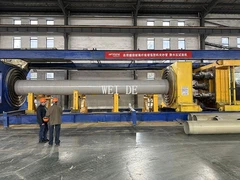
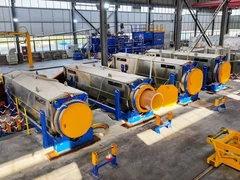
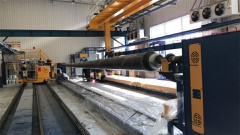
Continuous winding machines are designed to operate without interruption during the winding process. This means that the machine can continuously wind the material, such as fiber or wire, onto a core or mandrel until the desired amount of material is wound. The continuous operation offers several advantages, making it a popular choice for high - volume production.
1. High Efficiency
One of the most significant advantages of continuous winding machines is their high production efficiency. Since the machine runs continuously, there is no time wasted on starting and stopping the process between each winding cycle. This allows for a much higher output rate compared to intermittent winding machines. For example, in the production of High - pressure Petroleum Pipeline Production Line, continuous winding machines can quickly and consistently wind the necessary materials around the pipeline core, ensuring a smooth and efficient production process.
2. Consistent Quality
Continuous winding machines can produce products with a high degree of consistency. The continuous and uniform winding process helps to maintain a stable tension on the material, resulting in a more even distribution of the wound material. This is particularly important in applications where precise and consistent product quality is required, such as in the manufacturing of Epoxy Filament Winding Machine components. The consistent quality also reduces the likelihood of defects and rework, saving both time and cost.
3. Suitable for Long - Run Production
These machines are ideal for long - run production jobs. Once the machine is set up and calibrated, it can run for extended periods without significant operator intervention. This makes them well - suited for industries that require large quantities of the same product, such as the pipe manufacturing industry, where Epoxy Pipe Winding Machine can be used to produce a large number of pipes with the same specifications.
Intermittent Winding Machines
Intermittent winding machines, on the other hand, operate in a start - stop mode. The machine winds a certain amount of material, then stops, and may require some manual or automated adjustments before starting the next winding cycle.
1. Flexibility
One of the main advantages of intermittent winding machines is their flexibility. They can easily accommodate different winding patterns, core sizes, and material types. This makes them a great choice for small - batch production or for products that require frequent changes in design or specifications. For example, if you need to produce a variety of custom - made components with different winding requirements, an intermittent winding machine can be adjusted more easily to meet these diverse needs.
2. Lower Initial Investment
Intermittent winding machines generally have a lower initial investment cost compared to continuous winding machines. This is because they are often less complex in design and do not require the same level of automation and precision control. For small businesses or startups with limited budgets, an intermittent winding machine can be a more affordable option to get started in the winding production.
3. Easier Maintenance
The simpler design of intermittent winding machines also makes them easier to maintain. With fewer complex components and a less continuous operation, there is less wear and tear on the machine. This means that maintenance tasks can be performed more quickly and at a lower cost, reducing the overall downtime of the machine.
Key Differences in Operation
1. Winding Speed
Continuous winding machines typically have a higher winding speed due to their continuous operation. They can maintain a consistent speed throughout the winding process, which is crucial for high - volume production. In contrast, intermittent winding machines have a lower average winding speed because of the time spent on starting, stopping, and making adjustments between cycles.
2. Operator Involvement
Continuous winding machines usually require less operator involvement once they are set up correctly. The automated nature of these machines allows them to run for long periods with minimal supervision. Intermittent winding machines, however, often need more operator attention. Operators may need to manually adjust the machine settings, load and unload materials, and monitor the winding process more closely.


3. Material Waste
Continuous winding machines tend to produce less material waste. The continuous and consistent winding process ensures that the material is used more efficiently. Intermittent winding machines may generate more waste, especially during the start - up and shut - down phases of each cycle, as the material may need to be trimmed or adjusted.
Choosing the Right Winding Machine
When deciding between a continuous and intermittent winding machine, several factors should be considered.
1. Production Volume
If you have a high - volume production requirement, a continuous winding machine is likely the better choice. It can meet the demand efficiently and with consistent quality. For low - volume or small - batch production, an intermittent winding machine offers the flexibility needed to handle different product specifications.
2. Product Complexity
For products with complex winding patterns or frequent design changes, an intermittent winding machine is more suitable. Its ability to be easily adjusted allows for greater adaptability. If the product has a simple and repetitive winding requirement, a continuous winding machine can provide a more cost - effective and efficient solution.
3. Budget
Your budget is also an important consideration. If you have a limited budget, an intermittent winding machine may be the more practical option due to its lower initial investment and maintenance costs. However, if you can afford the upfront cost and expect high - volume production in the long run, a continuous winding machine may offer better value over time.
Conclusion
In summary, continuous and intermittent winding machines have their own unique advantages and are suitable for different production scenarios. As a winding machine supplier, I understand the importance of choosing the right machine for your specific needs. Whether you are looking for high - efficiency mass production or flexible small - batch manufacturing, we can provide you with the appropriate winding machine solution.
If you are interested in learning more about our winding machines or would like to discuss your specific production requirements, please feel free to contact us. We are here to assist you in making the best decision for your business.
References
- Industry reports on winding machine technology
- Technical manuals of continuous and intermittent winding machines
Send Inquiry