



What is the heat dissipation capacity of a continue filament winding machine?
Jan 14, 2026
Leave a message
The heat dissipation capacity of a continuous filament winding machine is a critical factor that directly impacts its performance, efficiency, and longevity. As a leading supplier of continuous filament winding machines, we understand the importance of this aspect and are committed to providing in - depth insights into it.
Understanding the Basics of Heat Generation in Continuous Filament Winding Machines
Continuous filament winding machines are complex pieces of equipment used in the production of various composite products such as pipes, pressure vessels, and aerospace components. During the winding process, several factors contribute to heat generation.
One of the primary sources of heat is the friction between the filaments and the winding mandrel or other moving parts of the machine. As the filaments are pulled at high speeds and wrapped around the mandrel, the contact between them generates frictional heat. Additionally, the motors and drives that power the machine also produce heat during operation. These electrical components convert electrical energy into mechanical energy, and a significant portion of this energy is dissipated as heat due to electrical resistance and mechanical losses.
Another source of heat is the chemical reaction that occurs when the resin is applied to the filaments. Resins used in filament winding, such as epoxy or polyester, undergo a curing process which is often exothermic, meaning it releases heat. If this heat is not properly managed, it can lead to issues such as resin degradation, uneven curing, and even damage to the machine components.
Importance of Heat Dissipation
Effective heat dissipation is crucial for several reasons. Firstly, it helps to maintain the integrity of the resin. Excessive heat can cause the resin to cure too quickly or unevenly, leading to weak spots in the final product. This can compromise the mechanical properties of the composite, such as its strength and stiffness, and reduce its overall quality.
Secondly, heat dissipation is essential for the longevity of the machine. High temperatures can cause premature wear and tear of the machine components, such as bearings, gears, and electrical wiring. Over time, this can lead to increased maintenance costs and downtime, which can significantly impact the productivity of the manufacturing process.
Finally, proper heat dissipation ensures the safety of the operators. High - temperature surfaces can pose a burn hazard, and in extreme cases, overheating can lead to electrical fires or other safety risks.
Factors Affecting Heat Dissipation Capacity
The heat dissipation capacity of a continuous filament winding machine depends on several factors. The design of the machine plays a significant role. Machines with well - designed cooling channels and ventilation systems are generally more effective at dissipating heat. For example, some machines are equipped with fans or heat exchangers that help to circulate air or coolant around the heat - generating components.
The materials used in the construction of the machine also affect its heat dissipation capacity. Metals such as aluminum and copper are good conductors of heat and can be used to transfer heat away from the heat - generating areas. Additionally, the surface area of the heat - dissipating components is important. A larger surface area allows for more efficient heat transfer to the surrounding environment.
The operating conditions of the machine also have an impact on heat dissipation. Higher production speeds and longer operating hours generally result in more heat generation, which requires a more robust heat dissipation system. Environmental factors such as ambient temperature and humidity can also affect the machine's ability to dissipate heat. In hot and humid environments, the cooling efficiency of the machine may be reduced.
Measuring Heat Dissipation Capacity
Measuring the heat dissipation capacity of a continuous filament winding machine can be a complex process. One common method is to use temperature sensors to monitor the temperature of the heat - generating components at various points during operation. By comparing the initial and final temperatures, and taking into account the power input and the operating time, it is possible to calculate the amount of heat generated and dissipated.
Another approach is to use thermal imaging cameras. These cameras can provide a visual representation of the temperature distribution across the machine surface, allowing operators to identify areas of high heat concentration. This information can then be used to optimize the heat dissipation system, such as by adjusting the position of the fans or adding additional cooling fins.
Our Solutions for Heat Dissipation
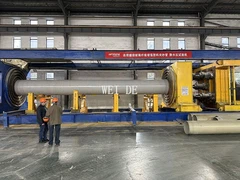
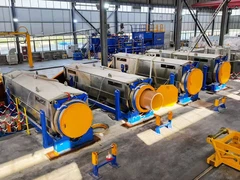
As a supplier of continuous filament winding machines, we offer a range of solutions to ensure effective heat dissipation. Our machines are designed with advanced cooling systems that are tailored to the specific requirements of the application. For example, our Continuous Fiberglass Pipe Winding Machine is equipped with a high - performance fan system that circulates air around the motor and other heat - generating components, keeping them at a safe operating temperature.


In addition, we use high - quality materials with excellent thermal conductivity in the construction of our machines. This helps to transfer heat away from the critical components more efficiently. We also offer optional heat exchangers for applications where additional cooling is required. These heat exchangers can be used to cool the resin or the coolant used in the machine, further enhancing the heat dissipation capacity.
Our CFW Continuous Pipe Winding Machine is designed with a modular cooling system that can be easily customized according to the production requirements. This allows our customers to optimize the heat dissipation process based on the specific resin, filament, and production speed they are using.
Improving Heat Dissipation in Existing Machines
If you already own a continuous filament winding machine and are experiencing heat - related issues, there are several steps you can take to improve its heat dissipation capacity. Firstly, ensure that the ventilation system is clean and unobstructed. Dust and debris can accumulate on the fans and cooling channels, reducing their efficiency. Regularly cleaning these components can significantly improve the airflow and heat transfer.
Secondly, consider adding additional cooling components such as fans or heat sinks. These can be relatively inexpensive and easy to install, and can provide a significant boost to the heat dissipation capacity of the machine.
Finally, review your operating procedures. Adjusting the production speed or the resin application rate can help to reduce the amount of heat generated during the winding process. You can also schedule regular breaks in the production process to allow the machine to cool down.
Conclusion
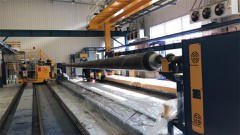
The heat dissipation capacity of a continuous filament winding machine is a critical aspect that directly impacts the quality of the final product, the longevity of the machine, and the safety of the operators. As a supplier, we are dedicated to providing machines with high - performance heat dissipation systems. Our Continue Filament Winding FRP Pipe Produciton Line is designed to meet the most demanding heat management requirements.
If you are in the market for a continuous filament winding machine or are looking to improve the heat dissipation of your existing machine, we encourage you to contact us for a detailed consultation. Our team of experts can help you select the right machine and provide you with the best solutions for your specific needs.
References
- "Composite Materials in Engineering" by Daniel Hull
- "Filament Winding Technology" by J. F. Mandell
- Industry reports on continuous filament winding machine design and operation
Send Inquiry