



What is the quality inspection frequency for a marine fiberglass pipeline production line?
Nov 14, 2025
Leave a message
As a supplier of Marine Fiberglass Pipeline Production Line, one of the most frequently asked questions I encounter is about the quality inspection frequency for such a production line. Quality inspection is a crucial aspect of manufacturing marine fiberglass pipelines, as it ensures that the final products meet the required standards and specifications. In this blog post, I will delve into the factors that influence the quality inspection frequency and provide some guidelines on how often inspections should be conducted.


Factors Influencing Quality Inspection Frequency
Production Volume
The volume of production plays a significant role in determining the inspection frequency. In a high - volume production line, where a large number of pipelines are being manufactured daily, more frequent inspections are necessary. This is because a higher production rate increases the likelihood of errors or defects slipping through the cracks. For example, if a production line is churning out hundreds of marine fiberglass pipelines per day, inspections might need to be carried out every few hours to catch any emerging issues early.
Complexity of the Manufacturing Process
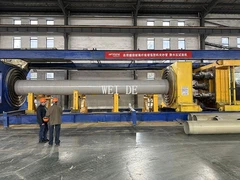
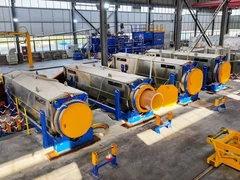
Marine fiberglass pipeline production involves several complex steps, including resin mixing, fiber winding, and curing. The more complex the manufacturing process, the higher the risk of defects. For instance, if the production line uses advanced techniques such as Epoxy Horizontal Winding Machine, which requires precise control of resin flow and fiber tension, more frequent inspections are needed. These inspections can help ensure that the machine is operating correctly and that the pipelines being produced are of high quality.
Material Variability
The quality of raw materials used in the production of marine fiberglass pipelines can vary. Fiberglass, resins, and other additives may have different properties depending on their source and batch. When there is a high degree of material variability, more frequent inspections are essential. Inspections can help detect any changes in material properties that could affect the quality of the final product. For example, if a new batch of resin has a different viscosity than the previous one, it could lead to issues such as uneven fiber wetting or poor curing.
Regulatory Requirements
The marine industry is highly regulated, and there are strict standards for the quality of marine fiberglass pipelines. Regulatory bodies often specify the minimum inspection frequency for different types of products. For example, some regulations may require that every tenth pipeline be inspected thoroughly, while others may mandate continuous monitoring of certain critical parameters during the production process. As a supplier, it is our responsibility to ensure that our production line complies with all relevant regulations.
General Guidelines for Quality Inspection Frequency
In - Process Inspections
In - process inspections are carried out during the manufacturing process to identify and correct any issues before they become major problems. For a marine fiberglass pipeline production line, in - process inspections should be conducted at key stages of the process.
- Resin Mixing: The resin is a critical component of the fiberglass pipeline, as it binds the fibers together. Inspections should be carried out at regular intervals, such as every hour or every batch, to ensure that the resin is being mixed correctly. This includes checking the resin viscosity, temperature, and the ratio of resin to hardener.
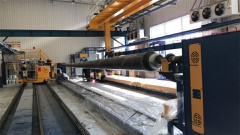
- Fiber Winding: Fiber winding is a precise process that determines the strength and integrity of the pipeline. Inspections should be done continuously or at least every few layers of winding to check the fiber tension, alignment, and coverage. Any deviations from the specified parameters can lead to weak spots in the pipeline.
- Curing: Curing is the process by which the resin hardens and the pipeline gains its final strength. Inspections during the curing process can help ensure that the temperature and time conditions are being maintained correctly. This may involve checking the temperature of the curing oven or the ambient conditions if the pipeline is being cured at room temperature.
Final Product Inspections
Final product inspections are conducted after the pipeline has been fully manufactured. These inspections are more comprehensive and are designed to ensure that the pipeline meets all the required specifications.
- Visual Inspection: A visual inspection should be carried out on every pipeline. This involves checking for surface defects such as cracks, bubbles, or unevenness. Any visible defects can indicate underlying issues with the manufacturing process.
- Dimensional Inspection: The dimensions of the pipeline, including its diameter, wall thickness, and length, should be measured. This ensures that the pipeline fits into the intended application. Dimensional inspections can be done on a sampling basis, such as every fifth or tenth pipeline, depending on the production volume and the level of confidence in the manufacturing process.
- Mechanical Testing: Mechanical testing, such as pressure testing and tensile testing, can be used to evaluate the strength and performance of the pipeline. These tests are typically carried out on a sample of the produced pipelines. The frequency of mechanical testing depends on the regulatory requirements and the level of risk associated with the product. For high - risk applications, such as High - pressure Petroleum Pipeline Production Line, more frequent mechanical testing may be required.
Importance of Regular Quality Inspections
Regular quality inspections are essential for several reasons. Firstly, they help to ensure the safety and reliability of the marine fiberglass pipelines. Defective pipelines can lead to leaks, failures, and potentially dangerous situations in marine environments. By conducting regular inspections, we can identify and correct any issues before the pipelines are installed.
Secondly, quality inspections can improve the efficiency of the production process. By detecting and correcting issues early, we can reduce the amount of rework and waste. This not only saves time and money but also helps to maintain a high level of productivity.
Finally, regular quality inspections can enhance our reputation as a supplier. Customers are more likely to trust a supplier who can demonstrate a commitment to quality. By providing high - quality marine fiberglass pipelines, we can build long - term relationships with our customers and gain a competitive edge in the market.
Conclusion
In conclusion, the quality inspection frequency for a marine fiberglass pipeline production line depends on several factors, including production volume, complexity of the manufacturing process, material variability, and regulatory requirements. By following the general guidelines for in - process and final product inspections, we can ensure that our pipelines meet the highest standards of quality.
If you are interested in our Marine Fiberglass Pipeline Production Line or have any questions about quality inspection or other aspects of our products, please feel free to contact us for further discussions and potential procurement opportunities.
References
- ASTM International. (Year). Standard specifications for fiberglass - reinforced plastic (FRP) pipe.
- ISO. (Year). International standards for marine fiberglass products.
- Industry reports on marine fiberglass pipeline manufacturing.
Send Inquiry