



What is the surface treatment system of a marine fiberglass pipeline production line?
Nov 14, 2025
Leave a message
What is the surface treatment system of a marine fiberglass pipeline production line?
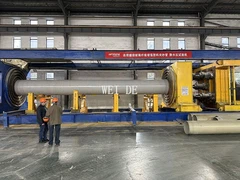
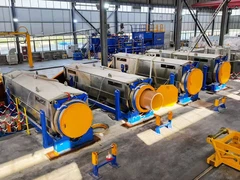
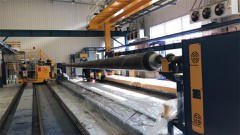
As a supplier of Marine Fiberglass Pipeline Production Line, I am frequently asked about the surface treatment system of these production lines. In this blog, I will delve into the details of the surface treatment system, its importance, and how it contributes to the overall quality of marine fiberglass pipelines.
The Significance of Surface Treatment in Marine Fiberglass Pipelines
Marine fiberglass pipelines are widely used in various marine applications, such as offshore oil and gas platforms, desalination plants, and shipbuilding. These pipelines are exposed to harsh marine environments, including saltwater, high humidity, and extreme temperatures. Therefore, the surface treatment of these pipelines is crucial to ensure their durability, corrosion resistance, and overall performance.
The surface treatment system of a marine fiberglass pipeline production line plays a vital role in protecting the pipeline from corrosion, abrasion, and other environmental factors. It also enhances the aesthetic appeal of the pipeline and improves its adhesion to coatings and other protective layers.
Components of the Surface Treatment System
The surface treatment system of a marine fiberglass pipeline production line typically consists of several components, each serving a specific purpose. These components include:
1. Sandblasting or Shot Blasting Equipment
Sandblasting or shot blasting is the first step in the surface treatment process. This process involves propelling abrasive particles at high speed onto the surface of the pipeline to remove any contaminants, such as rust, scale, and paint. Sandblasting or shot blasting also creates a rough surface profile, which improves the adhesion of subsequent coatings.
2. Cleaning and Degreasing Units
After sandblasting or shot blasting, the pipeline is thoroughly cleaned and degreased to remove any remaining abrasive particles, dust, and oil. This step is essential to ensure that the surface of the pipeline is free from contaminants before applying any coatings.
3. Primer Application Equipment
A primer is a protective coating that is applied to the surface of the pipeline to provide a base for subsequent coatings. The primer helps to improve the adhesion of the topcoat and provides additional corrosion protection. Primer application equipment, such as spray guns or rollers, is used to apply the primer evenly onto the surface of the pipeline.
4. Topcoat Application Equipment
The topcoat is the final layer of coating applied to the surface of the pipeline. It provides the pipeline with its final appearance and protects it from environmental factors, such as UV radiation, saltwater, and abrasion. Topcoat application equipment, such as spray guns or brushes, is used to apply the topcoat evenly onto the surface of the pipeline.
5. Curing Ovens or Drying Chambers
After the primer and topcoat have been applied, the pipeline is placed in a curing oven or drying chamber to allow the coatings to dry and cure. Curing ovens or drying chambers are designed to provide a controlled environment with the appropriate temperature and humidity to ensure proper curing of the coatings.
Types of Surface Treatments for Marine Fiberglass Pipelines
There are several types of surface treatments available for marine fiberglass pipelines, each with its own advantages and disadvantages. The most common types of surface treatments include:
1. Epoxy Coatings
Epoxy coatings are one of the most popular types of surface treatments for marine fiberglass pipelines. Epoxy coatings are known for their excellent adhesion, corrosion resistance, and chemical resistance. They are also highly durable and can withstand harsh marine environments. Epoxy coatings can be applied using a variety of methods, such as spray guns, rollers, or brushes.
If you are interested in the equipment for applying epoxy coatings, you can check out our Epoxy Filament Winding Machine and Epoxy Pipe Winding Machine. These machines are designed to provide precise and efficient winding of epoxy-coated fiberglass pipes.
2. Polyurethane Coatings
Polyurethane coatings are another popular type of surface treatment for marine fiberglass pipelines. Polyurethane coatings are known for their excellent abrasion resistance, UV resistance, and flexibility. They are also highly durable and can withstand harsh marine environments. Polyurethane coatings can be applied using a variety of methods, such as spray guns, rollers, or brushes.
3. Ceramic Coatings
Ceramic coatings are a relatively new type of surface treatment for marine fiberglass pipelines. Ceramic coatings are known for their excellent hardness, wear resistance, and chemical resistance. They are also highly durable and can withstand harsh marine environments. Ceramic coatings can be applied using a variety of methods, such as spray guns, rollers, or brushes.
Benefits of a High - Quality Surface Treatment System
Investing in a high - quality surface treatment system for your marine fiberglass pipeline production line offers several benefits, including:


1. Extended Service Life
A high - quality surface treatment system can significantly extend the service life of marine fiberglass pipelines. By protecting the pipeline from corrosion, abrasion, and other environmental factors, the surface treatment system helps to ensure that the pipeline remains in good condition for a longer period of time.
2. Improved Performance
The surface treatment system can improve the performance of marine fiberglass pipelines. For example, a smooth and corrosion - resistant surface can reduce friction and improve the flow of fluids through the pipeline.
3. Enhanced Aesthetic Appeal
A well - applied surface treatment can enhance the aesthetic appeal of marine fiberglass pipelines. This is particularly important for applications where the appearance of the pipeline is a consideration, such as in architectural or decorative applications.
4. Compliance with Standards
Many industries have specific standards and regulations regarding the surface treatment of marine fiberglass pipelines. A high - quality surface treatment system can help you ensure that your pipelines comply with these standards and regulations.
Our Marine Fiberglass Pipeline Production Line
As a leading supplier of Marine Fiberglass Pipeline Production Line, we offer a comprehensive range of surface treatment solutions. Our production lines are equipped with state - of - the - art sandblasting, cleaning, coating, and curing equipment to ensure the highest quality surface treatment for your pipelines.
We understand the unique requirements of the marine industry and are committed to providing our customers with reliable and efficient production lines. Our team of experts can work with you to design a surface treatment system that meets your specific needs and budget.
Contact Us for Procurement and Negotiation
If you are interested in our Marine Fiberglass Pipeline Production Line or have any questions about our surface treatment system, we encourage you to contact us. Our sales team is ready to assist you with all your procurement needs and engage in detailed negotiation to ensure a mutually beneficial partnership.
References
- ASTM International. (20XX). Standard specifications for fiberglass (glass - fiber - reinforced thermosetting - resin) pipe and fittings.
- ISO. (20XX). International standards for marine fiberglass products.
- Marine Technology Society. (20XX). Guidelines for the design and construction of marine fiberglass pipelines.
Send Inquiry