



What is the quality inspection standard for a centrifigua casting grp pipe machine?
Sep 17, 2025
Leave a message
As a supplier of centrifigua casting GRP pipe machines, I understand the critical importance of quality inspection standards in ensuring the production of high - quality pipes. In this blog, I will delve into the key quality inspection standards for a centrifigua casting GRP pipe machine.
1. Machine Structure and Build Quality
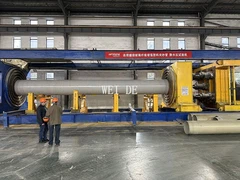
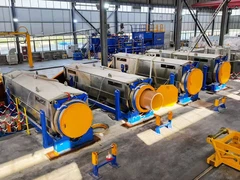
The first aspect of quality inspection for a centrifigua casting GRP pipe machine is its structure and build quality. The machine should be constructed with high - strength materials that can withstand the rigors of continuous operation. The frame of the machine should be rigid and stable, ensuring that there is no significant vibration during the centrifugal casting process.
Inspectors need to check the welding quality of the machine's frame. Welds should be smooth, free of cracks, and have sufficient penetration. Any signs of poor welding can lead to structural failures over time, which can disrupt production and pose safety risks.
The alignment of the machine's components is also crucial. For example, the rotation axis of the centrifuge should be precisely aligned to ensure uniform distribution of the resin and fiberglass during the casting process. Misaligned components can result in pipes with uneven wall thickness, which is a major defect.
2. Centrifugal System Performance
The centrifugal system is the heart of a centrifigua casting GRP pipe machine. The speed and stability of the centrifuge are key factors in determining the quality of the pipes produced.
The rotational speed of the centrifuge should be accurately controlled within the specified range. Deviations from the set speed can lead to inconsistent pipe quality. For instance, if the speed is too low, the resin may not be evenly distributed, resulting in weak spots in the pipe. On the other hand, if the speed is too high, it can cause excessive stress on the machine and may even damage the pipe structure.
The stability of the centrifuge during operation is also essential. Any fluctuations in speed or vibration can affect the quality of the pipes. Inspectors should use specialized equipment to measure the speed and vibration levels of the centrifuge. They can also conduct long - term tests to ensure that the centrifuge maintains its performance over extended periods of operation.
3. Resin and Fiberglass Feeding Systems
The resin and fiberglass feeding systems play a vital role in the production of GRP pipes. These systems should be able to deliver the correct amount of resin and fiberglass to the casting area at the right time.


The resin feeding system should be calibrated to ensure accurate dosing. The viscosity of the resin can also affect the feeding process. Inspectors need to check the resin storage tanks for proper temperature control, as temperature can impact the resin's viscosity. If the resin is too viscous, it may not flow smoothly, leading to uneven distribution in the pipe.
The fiberglass feeding system should be able to provide a consistent supply of fiberglass. The fiberglass strands should be evenly dispersed and properly impregnated with the resin. Any clumping or uneven distribution of fiberglass can result in pipes with reduced strength and durability.
4. Temperature and Curing Control
Temperature control is critical in the production of GRP pipes. The curing process of the resin requires a specific temperature range to ensure proper hardening and the development of the desired mechanical properties.
The heating system of the centrifigua casting GRP pipe machine should be able to maintain a stable temperature throughout the casting and curing process. Inspectors need to check the temperature sensors and controllers to ensure their accuracy. Any fluctuations in temperature can lead to incomplete curing, which can weaken the pipes.
The curing time also needs to be carefully controlled. Different types of resins have different curing times, and the machine should be set up to accommodate these requirements. Inspectors can use non - destructive testing methods to check the curing status of the pipes.
5. Pipe Dimensions and Tolerances
The dimensions of the pipes produced by the centrifigua casting GRP pipe machine must meet the specified standards. This includes the outer diameter, inner diameter, and wall thickness of the pipes.
The outer diameter of the pipes should be within the acceptable tolerance range. Deviations in the outer diameter can affect the pipe's compatibility with other components in a pipeline system. The inner diameter is also important, especially for applications where fluid flow is a concern.
Wall thickness is a critical parameter. The wall thickness should be uniform along the length of the pipe. Inspectors can use calipers and other measuring tools to check the dimensions of the pipes at multiple points. Any significant variations in wall thickness can indicate problems with the machine's operation, such as uneven resin distribution or improper centrifuge speed.
6. Surface Quality
The surface quality of the pipes is another important aspect of quality inspection. The pipes should have a smooth and defect - free surface.
Inspectors need to check for any visible defects such as cracks, pores, or bubbles on the pipe surface. Cracks can significantly reduce the pipe's strength and integrity, while pores and bubbles can affect the pipe's resistance to corrosion and fluid leakage.
The surface finish of the pipes should also meet the required standards. A smooth surface is not only aesthetically pleasing but also reduces friction in fluid - carrying applications.
7. Mechanical Properties Testing
To ensure the overall quality of the GRP pipes, mechanical properties testing is essential. This includes testing for tensile strength, flexural strength, and impact resistance.
Tensile strength testing measures the maximum amount of tensile stress a pipe can withstand before breaking. Flexural strength testing evaluates the pipe's ability to resist bending forces. Impact resistance testing checks the pipe's ability to withstand sudden impacts without cracking or breaking.
These tests are usually conducted using specialized testing equipment. The results of these tests should meet the relevant industry standards. If the mechanical properties of the pipes do not meet the standards, it may indicate problems with the machine's operation, such as improper resin - fiberglass ratio or incomplete curing.
Conclusion
In conclusion, the quality inspection standards for a centrifigua casting GRP pipe machine cover a wide range of aspects, from the machine's structure and performance to the quality of the pipes produced. By adhering to these standards, we can ensure the production of high - quality GRP pipes that meet the needs of various industries.
If you are interested in our centrifigua casting GRP pipe machines or other related products such as Jacking Pipe Production Line and Centrifugal Casting Fiberglass Pipeline Production Line, please feel free to contact us for further discussion and procurement negotiation. We are committed to providing you with the best solutions for your pipe production needs.
References
- ASTM International standards for GRP pipes
- ISO standards related to composite pipe manufacturing
- Industry - specific guidelines for centrifugal casting of GRP pipes
Send Inquiry