



What is the temperature resistance of China Type 4 cylinder?
Oct 15, 2025
Leave a message
Hey there! As a supplier of China Type 4 cylinders, I often get asked about the temperature resistance of these bad boys. So, I thought I'd take a few minutes to break it down for you.
First off, let's talk about what a Type 4 cylinder is. These cylinders are made with a composite material that consists of a plastic liner wrapped in a carbon fiber or fiberglass outer layer. This design makes them lightweight, strong, and highly resistant to corrosion. They're commonly used in applications like hydrogen storage for fuel cell vehicles, natural gas storage for buses and trucks, and even in some industrial settings.
Now, onto the temperature resistance. The temperature resistance of a China Type 4 cylinder is a crucial factor, especially considering the wide range of environments these cylinders can be exposed to. Most Type 4 cylinders are designed to operate within a specific temperature range, and this range can vary depending on the materials used in their construction and the manufacturing process.
Typically, China Type 4 cylinders can handle temperatures ranging from -40°C to 85°C. The lower end of this range, -40°C, is important for applications in cold climates. For example, in regions with extremely cold winters, vehicles that use hydrogen or natural gas stored in Type 4 cylinders need to ensure that the cylinders can still function properly at these frigid temperatures. At -40°C, the materials in the cylinder need to remain stable and not become brittle or lose their structural integrity.
On the other hand, the upper limit of 85°C is set to account for high - temperature situations. When a vehicle is operating in hot weather, or if the cylinder is exposed to direct sunlight for an extended period, the temperature inside and around the cylinder can rise significantly. The composite materials in the Type 4 cylinder are engineered to withstand these elevated temperatures without degrading.
The carbon fiber or fiberglass outer layer plays a big role in maintaining the cylinder's temperature resistance. These fibers have excellent thermal properties, which help in dissipating heat and preventing the liner from overheating. The plastic liner, usually made of high - density polyethylene (HDPE) or other suitable plastics, also has its own temperature limits. HDPE, for instance, has a melting point well above the maximum operating temperature of the cylinder, ensuring that it remains solid and functional within the specified range.
It's important to note that exceeding the recommended temperature range can have serious consequences. If the temperature goes below -40°C, the materials may become too rigid, increasing the risk of cracking or failure under pressure. On the other hand, if the temperature exceeds 85°C, the plastic liner may start to soften, which can compromise the cylinder's integrity and lead to gas leakage.
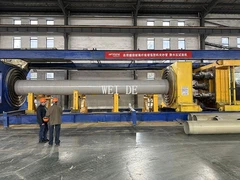
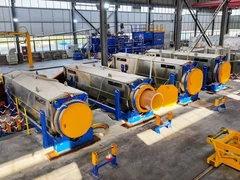
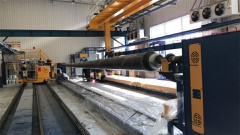
When it comes to manufacturing these Type 4 cylinders, advanced technology and strict quality control are essential. We use state - of - the - art Pressure Vessal Winding Machine to ensure that the carbon fiber or fiberglass is wound precisely around the liner. This precise winding not only provides the necessary strength but also helps in maintaining the temperature resistance of the cylinder.
The Type 3 Cylinder Winding Machine is also an important part of the manufacturing process. Although Type 3 cylinders have a different design (usually with a metal liner), the technology used in these machines can sometimes be adapted or used in the production of Type 4 cylinders to achieve better results.
And of course, the Pressure Cylinder Winding Machine is crucial for creating cylinders that can withstand high pressures while maintaining their temperature resistance. These machines ensure that the layers of the cylinder are wound tightly and evenly, which is vital for the overall performance of the cylinder.


As a supplier, we conduct rigorous testing on our China Type 4 cylinders to ensure that they meet or exceed the temperature resistance standards. We use specialized equipment to simulate different temperature conditions and check the cylinder's performance under pressure. This way, we can guarantee that our customers are getting a high - quality product that can be used safely in various environments.
If you're in the market for China Type 4 cylinders, whether it's for automotive applications, industrial use, or any other purpose, it's important to consider the temperature resistance. Make sure that the cylinders you choose can handle the temperature range of your specific application.
We're here to help you make the right choice. Our team of experts can provide you with detailed information about our products and how they perform under different temperature conditions. If you have any questions or if you're interested in purchasing our China Type 4 cylinders, don't hesitate to reach out. We're always ready to have a chat and discuss your requirements.
In conclusion, the temperature resistance of China Type 4 cylinders is a well - engineered feature that allows them to be used in a wide range of environments. With proper manufacturing and quality control, these cylinders can provide reliable and safe storage solutions for gases like hydrogen and natural gas. So, if you're looking for a high - quality Type 4 cylinder, give us a shout, and let's start a conversation about your needs.
References
- Industry standards for composite pressure cylinders
- Technical documentation on carbon fiber and plastic materials used in cylinder manufacturing
Send Inquiry