




Tips For Using Composite Winding Equipment
Jun 29, 2025
Leave a message
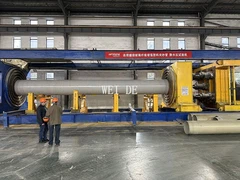
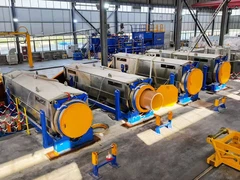
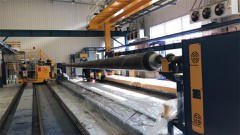
Composite winding equipment is a critical tool for producing high-performance products such as pipes, tanks, and pressure vessels. Its proper operation directly impacts product quality and equipment lifespan. To help users use this equipment efficiently and safely, we've compiled a few practical tips.
1. Essential Pre-Operation Inspection
Before each use, thoroughly inspect the equipment: confirm that the winding machine's spindle, tension control system, and temperature control module are operating properly; check the resin tank's seal to prevent leakage and fiber contamination; calibrate the tension sensor to ensure uniform fiber winding. Also, clean any residual resin or impurities on the equipment surface to prevent them from affecting winding accuracy.
2. Precisely Match Parameter Settings to Material Properties
Different composite materials (such as glass fiber and carbon fiber) have significantly different requirements for winding speed, tension, and resin impregnation time. Adjust parameters according to the material's specifications. For example, high-modulus carbon fiber requires a lower winding speed to reduce the risk of breakage; epoxy resin curing temperatures typically need to be strictly controlled within a range of 60-80°C. It's recommended to conduct a small trial run for the first time and gradually optimize the parameter combination.
3. Daily Maintenance to Extend Equipment Life
Regularly clean guide rails and transmission components and apply special grease to prevent wear. Check the insulation of electrical circuits to avoid short circuits caused by humid environments. Before restarting after a long period of inactivity, operate the machine at no load and observe for abnormal vibration or noise. Furthermore, the resin tank and impregnation rollers should be thoroughly cleaned weekly to prevent cured resin from clogging the flow path.
4. Prioritize Safety Standards
Wear protective gloves, goggles, and chemical-resistant clothing during operation to avoid contact between resin and skin and inhalation of volatiles. High-temperature curing areas should be marked with warning signs to prevent burns. Never place tools or foreign objects near moving parts while the machine is operating to prevent risk of entrapment.
Following these tips will not only improve the consistency and mechanical properties of composite products but also effectively reduce equipment failure rates. Users are advised to retain the operating manual and regularly attend manufacturer technical training to fully utilize the production potential of the winding machine.

Send Inquiry