



Can 'Countinue winding' be used for high - voltage applications?
Nov 20, 2025
Leave a message
Can 'Countinue winding' be used for high - voltage applications?
Hey there! I'm a supplier of continue winding products, and I've been getting a lot of questions lately about whether continue winding can be used for high - voltage applications. So, I thought I'd sit down and write this blog to share my thoughts and insights on the matter.
First off, let's talk a bit about what continue winding is. Continue winding is a manufacturing process where a continuous filament, like fiberglass or carbon fiber, is wound around a mandrel in a specific pattern. This process is used to create all sorts of products, from pipes to tanks and even some structural components. It's a pretty versatile method, and it offers a lot of benefits in terms of strength, durability, and cost - effectiveness.
Now, when it comes to high - voltage applications, things get a bit more complicated. High - voltage environments require materials and components that can withstand extreme electrical stresses, prevent electrical breakdown, and maintain their integrity over time. So, can continue winding products meet these requirements?
One of the key advantages of continue winding products is their excellent mechanical properties. The continuous filament winding creates a strong and uniform structure that can handle a lot of mechanical stress. In high - voltage applications, mechanical strength is crucial because the components may be subject to vibrations, impacts, and other physical forces. For example, in high - voltage power transmission lines, the support structures need to be strong enough to hold up the heavy cables and withstand wind and other environmental factors. Continue winding products can offer the necessary strength in such scenarios.
Another important aspect is the electrical insulation properties. The materials used in continue winding, such as certain types of resins, can provide good electrical insulation. When properly selected and processed, these materials can prevent the flow of electricity and reduce the risk of electrical breakdown. For instance, in high - voltage transformers, the insulation materials are critical to prevent short - circuits and ensure the safe operation of the equipment. Continue winding can be used to create insulation components with the right thickness and density to meet the electrical insulation requirements.
However, there are also some challenges. One of the main concerns is the potential for voids or defects in the winding process. Even a small void in the insulation can create a weak point where electrical breakdown can occur. To address this, we need to have strict quality control measures in place during the continue winding process. This includes using high - quality materials, ensuring proper tension during winding, and conducting thorough inspections of the finished products.
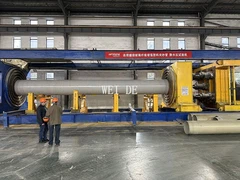
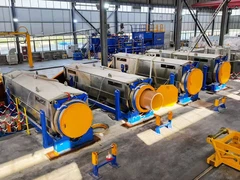
Let's take a look at some of the products we offer that are relevant to high - voltage applications. We have the Composite Material Winding Equipment. This equipment is designed to produce high - quality composite products through continue winding. It allows for precise control of the winding pattern and tension, which is essential for creating products with consistent electrical and mechanical properties.
Our CFW Continuous Pipe Winding Machine is another great option. It can produce pipes that are suitable for high - voltage cable protection. These pipes need to have good electrical insulation and mechanical strength to protect the cables from damage and ensure the safe transmission of electricity.


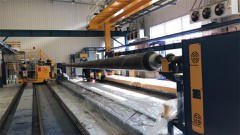
And then there's the Continue Filament Winding FRP Pipe Produciton Line. This production line is capable of mass - producing FRP pipes with excellent electrical and mechanical properties. These pipes can be used in various high - voltage applications, such as in underground cable ducts or in substations.
In addition to the technical aspects, cost is also an important factor in high - voltage applications. Continue winding products can often be more cost - effective compared to traditional materials. The manufacturing process is relatively efficient, and the raw materials are often less expensive. This can result in significant cost savings for high - voltage projects, especially when large quantities of components are needed.
But it's important to note that not all continue winding products are suitable for high - voltage applications. The specific requirements of each application need to be carefully considered, and the products need to be customized accordingly. For example, different high - voltage systems may have different voltage levels, frequency ranges, and environmental conditions. The materials and winding patterns need to be adjusted to meet these specific requirements.
In conclusion, continue winding has great potential for high - voltage applications. It offers a combination of mechanical strength, electrical insulation, and cost - effectiveness. However, it also requires careful attention to quality control and customization to ensure that the products meet the strict requirements of high - voltage environments.
If you're involved in high - voltage projects and are interested in exploring the use of continue winding products, I'd love to have a chat with you. We can discuss your specific needs, and I can provide more detailed information about our products and how they can be tailored to your applications. Feel free to reach out to start a conversation about potential procurement and how we can work together to meet your high - voltage requirements.
References
- Electrical Insulation Handbook for Power Systems Equipment, McGraw - Hill
- Handbook of Composite Materials for Electrical Engineering, Wiley
Send Inquiry