



What are the self - cleaning coating options for GRP/Frp pipe widening?
Nov 20, 2025
Leave a message
In the realm of GRP/FRP pipe widening, the quest for effective self - cleaning coating options is of paramount importance. As a dedicated GRP/FRP pipe widening supplier, I understand the challenges that come with maintaining the efficiency and longevity of these pipes. In this blog, I will explore the various self - cleaning coating options available for GRP/FRP pipe widening and their significance in the industry.
The Importance of Self - Cleaning Coatings for GRP/FRP Pipes
GRP (Glass - Reinforced Plastic) and FRP (Fiber - Reinforced Plastic) pipes are widely used in numerous industries, including water treatment, chemical processing, and oil and gas. These pipes offer excellent corrosion resistance, high strength - to - weight ratio, and long service life. However, over time, they can accumulate deposits such as scale, biofilms, and debris, which can reduce their flow capacity, increase energy consumption, and even lead to pipe blockages.
Self - cleaning coatings can address these issues by preventing the adhesion of contaminants to the pipe surface. This not only helps in maintaining the optimal flow characteristics of the pipes but also reduces the need for frequent manual cleaning, which can be time - consuming and costly.
Types of Self - Cleaning Coatings for GRP/FRP Pipe Widening
Hydrophobic Coatings
Hydrophobic coatings are designed to repel water. They create a low - surface - energy surface on the GRP/FRP pipe, which makes it difficult for water - based contaminants to adhere. When water comes into contact with the coated surface, it forms droplets that roll off, taking away any loose dirt or debris with them.
One of the advantages of hydrophobic coatings is their simplicity. They can be easily applied to the pipe surface during the manufacturing process or as a retrofit. However, they may not be as effective against non - water - based contaminants such as oil or grease.
Photocatalytic Coatings
Photocatalytic coatings are a more advanced type of self - cleaning coating. These coatings contain photocatalytic materials, such as titanium dioxide (TiO₂). When exposed to light, especially ultraviolet (UV) light, the photocatalytic material activates and generates reactive oxygen species. These reactive species can break down organic contaminants on the pipe surface into smaller, more easily removable molecules.
Photocatalytic coatings have the ability to self - clean under the influence of sunlight. They can not only prevent the adhesion of contaminants but also degrade organic matter over time. However, their effectiveness is limited by the availability of light. In areas with low light levels, such as underground pipes, their performance may be reduced.
Superhydrophobic Coatings
Superhydrophobic coatings take the concept of hydrophobicity to the next level. They have an extremely low surface energy, which causes water to form nearly spherical droplets with a high contact angle. These droplets can roll off the surface even at very low tilt angles, effectively removing contaminants.


Superhydrophobic coatings are highly effective in repelling water and water - based contaminants. They can also provide some degree of protection against other types of contaminants. However, they are more complex to apply and may require special surface preparation to ensure proper adhesion to the GRP/FRP pipe.
Anti - Fouling Coatings
Anti - fouling coatings are specifically designed to prevent the growth of biological organisms such as algae, bacteria, and barnacles on the pipe surface. These coatings typically contain biocides or other chemicals that inhibit the growth and attachment of these organisms.
Anti - fouling coatings are crucial in applications where the pipes are in contact with water, such as in water treatment plants or marine environments. However, the use of biocides in these coatings has raised environmental concerns, and there is a growing trend towards developing more environmentally friendly alternatives.
Considerations When Choosing a Self - Cleaning Coating
When selecting a self - cleaning coating for GRP/FRP pipe widening, several factors need to be considered:
Compatibility with GRP/FRP Material
The coating must be compatible with the GRP/FRP material to ensure proper adhesion and long - term performance. Some coatings may react with the resin matrix of the GRP/FRP pipe, leading to delamination or other forms of damage.
Operating Conditions
The operating conditions of the pipes, such as temperature, pressure, and the type of fluid flowing through them, can significantly affect the performance of the coating. For example, high - temperature applications may require coatings that can withstand thermal stress without losing their self - cleaning properties.
Environmental Impact
As mentioned earlier, some coatings, especially those containing biocides, can have a negative impact on the environment. When choosing a coating, it is important to consider its environmental footprint and look for more sustainable options.
Cost - Effectiveness
The cost of the coating, including the material cost and the application cost, is an important factor. While more advanced coatings may offer better performance, they may also be more expensive. It is necessary to balance the cost with the expected benefits in terms of reduced maintenance and improved pipe performance.
Our Role as a GRP/FRP Pipe Widening Supplier
As a GRP/FRP pipe widening supplier, we are committed to providing our customers with high - quality pipes that are equipped with the most suitable self - cleaning coatings. We work closely with coating manufacturers to ensure that the coatings we use meet the highest standards of performance and compatibility.
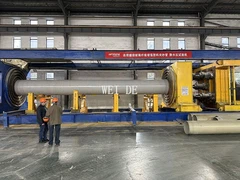
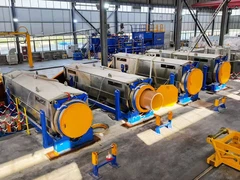
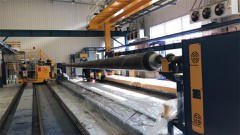
We also offer a range of Composite Material Winding Equipment that can be used in the production of GRP/FRP pipes. Our CFW Continuous Pipe Winding Machine and Continue Filament Winding FRP Pipe Produciton Line are designed to produce pipes with precise dimensions and excellent mechanical properties.
Conclusion
Self - cleaning coatings offer a promising solution for maintaining the performance and longevity of GRP/FRP pipes. By choosing the right coating based on the specific requirements of the application, customers can ensure that their pipes operate efficiently with minimal maintenance.
If you are interested in our GRP/FRP pipe widening services or have any questions about self - cleaning coatings, please feel free to contact us. We are more than happy to engage in a procurement discussion and help you find the best solutions for your needs.
References
- ASTM International. (Year). Standard test methods for properties of FRP pipes.
- ISO (International Organization for Standardization). (Year). ISO standards related to GRP/FRP pipes.
- Research papers on self - cleaning coatings for composite materials from scientific journals such as "Journal of Materials Science" and "Composites Part A: Applied Science and Manufacturing".
Send Inquiry