




How do I clean a Type 4 cylinder?
Nov 28, 2025
Leave a message
Hey there! I'm a supplier of Type 4 cylinders, and I often get asked about how to clean these babies properly. So, I thought I'd put together this blog post to share some tips and tricks on keeping your Type 4 cylinders in top-notch condition.
First things first, let's talk about what a Type 4 cylinder is. These are composite cylinders that have a plastic liner wrapped in a carbon fiber or fiberglass composite material. They're lightweight, strong, and widely used in various applications, from automotive to aerospace. But like any other piece of equipment, they need regular cleaning to ensure optimal performance and longevity.
Why Cleaning is Important
Cleaning your Type 4 cylinder isn't just about making it look good. It's also crucial for safety and functionality. Over time, dirt, debris, and other contaminants can build up on the surface of the cylinder. This can not only affect the cylinder's appearance but also potentially damage the composite material or the liner. In some cases, it can even lead to leaks or other safety hazards. So, regular cleaning is a must.
Before You Start
Before you start cleaning your Type 4 cylinder, there are a few things you need to do. First, make sure the cylinder is completely empty. This means releasing all the pressure and ensuring there's no gas or liquid left inside. You should also check the cylinder for any signs of damage, such as cracks, dents, or scratches. If you notice any damage, it's best to consult a professional before proceeding with the cleaning.


Cleaning Supplies
You don't need a lot of fancy supplies to clean a Type 4 cylinder. Here's what you'll need:
- Mild detergent: Look for a non-abrasive, pH-neutral detergent. Avoid using harsh chemicals or abrasive cleaners, as these can damage the composite material.
- Soft brush or sponge: A soft-bristled brush or a sponge is ideal for cleaning the surface of the cylinder without scratching it.
- Clean water: You'll need plenty of clean water to rinse the cylinder after cleaning.
- Microfiber cloth: A microfiber cloth is great for drying the cylinder and removing any remaining water spots.
The Cleaning Process
Now that you have all your supplies ready, let's get started with the cleaning process.
Step 1: Dilute the Detergent
Fill a bucket with warm water and add a small amount of the mild detergent. Mix it well until the detergent is fully dissolved. You don't need a lot of detergent – just enough to create a soapy solution.
Step 2: Wet the Cylinder
Use a hose or a spray bottle to wet the entire surface of the cylinder with clean water. This will help loosen any dirt or debris and make the cleaning process easier.
Step 3: Apply the Soapy Solution
Dip the soft brush or sponge into the soapy solution and gently scrub the surface of the cylinder. Start from the top and work your way down, making sure to cover the entire surface. Pay special attention to any areas that are particularly dirty or have stubborn stains. Be careful not to apply too much pressure, as this can damage the composite material.
Step 4: Rinse the Cylinder
Once you've scrubbed the entire surface of the cylinder, use a hose or a spray bottle to rinse it thoroughly with clean water. Make sure to remove all the soapy residue from the cylinder. You may need to rinse it several times to ensure it's completely clean.
Step 5: Dry the Cylinder
Use a microfiber cloth to dry the cylinder. Start from the top and work your way down, making sure to remove all the water from the surface. You can also let the cylinder air dry for a few hours to ensure it's completely dry.
Additional Tips
- Avoid direct sunlight: After cleaning, avoid exposing the cylinder to direct sunlight for extended periods. This can cause the composite material to fade or become brittle over time.
- Store the cylinder properly: When not in use, store the cylinder in a cool, dry place. Make sure it's protected from dust, dirt, and other contaminants.
- Inspect the cylinder regularly: In addition to regular cleaning, it's important to inspect the cylinder regularly for any signs of damage or wear. If you notice any issues, have the cylinder inspected by a professional as soon as possible.
Our Winding Machines
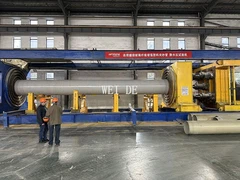
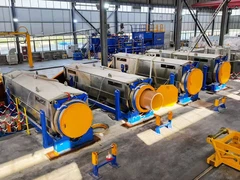
As a Type 4 cylinder supplier, we also offer high-quality winding machines for different types of cylinders. If you're interested in learning more about our products, check out our Pressure Cylinder Winding Machine, Type 3 Cylinder Winding Machine, and Type 4 Cylinder Winding Machine. These machines are designed to produce high-quality cylinders with precision and efficiency.
Contact Us for Purchase
If you're in the market for Type 4 cylinders or winding machines, we'd love to hear from you. Whether you have questions about our products, need a quote, or want to discuss a custom order, feel free to reach out to us. We're here to help you find the best solutions for your needs.
References
- Industry standards for composite cylinder maintenance and cleaning.
- Manufacturer's guidelines for Type 4 cylinder care.
Send Inquiry