




How do I refill a Type 4 cylinder?
Oct 22, 2025
Leave a message
Hey there! As a supplier of Type 4 cylinders, I often get asked about how to refill these bad boys. So, I thought I'd put together this blog post to walk you through the process step by step.
First off, let's talk a bit about Type 4 cylinders. These are composite cylinders that consist of a plastic liner wrapped with carbon fiber. They're lightweight, strong, and commonly used in applications like hydrogen storage for fuel cell vehicles, natural gas storage for vehicles, and some industrial applications.
Pre - refill Checks
Before you even think about refilling a Type 4 cylinder, you've got to do some checks. Safety first, right?
- Visual Inspection: Take a good look at the cylinder. Check for any signs of damage like cracks, dents, or scratches on the outer carbon fiber layer or the plastic liner. If you spot any damage, don't attempt to refill it. Damaged cylinders can be extremely dangerous and should be sent for proper inspection and possible replacement.
- Pressure Check: Use a pressure gauge to check the remaining pressure in the cylinder. This will give you an idea of how much gas you can add. Make sure your pressure gauge is calibrated correctly. You don't want inaccurate readings leading to over - or under - filling.
- Valve Inspection: Examine the valve on the cylinder. It should be in good working condition, with no leaks or signs of wear. A faulty valve can cause gas to leak during the refilling process, which is a major safety hazard.
Gathering the Necessary Equipment
Once you've completed the pre - refill checks, it's time to gather the equipment you'll need for the refilling process.


- Gas Source: You'll need a reliable source of the gas you're refilling the cylinder with. Whether it's hydrogen, natural gas, or another gas, make sure the source is clean and free from contaminants.
- Refilling Hose: A high - quality refilling hose is essential. It should be rated for the pressure and type of gas you're using. Make sure it's in good condition, with no kinks or leaks.
- Pressure Regulator: This device helps control the pressure of the gas flowing into the cylinder. You want to regulate the pressure to ensure a safe and proper refill.
- Safety Equipment: Don't forget your safety gear! Wear safety glasses, gloves, and appropriate clothing to protect yourself from any potential gas leaks or other hazards.
The Refilling Process
Now, let's get into the actual refilling process.
- Connect the Equipment: First, connect the refilling hose from the gas source to the pressure regulator. Then, connect the other end of the pressure regulator to the valve on the Type 4 cylinder. Make sure all connections are tight to prevent any gas leaks.
- Open the Valves: Slowly open the valve on the gas source. Then, gradually open the valve on the pressure regulator to start the flow of gas into the cylinder. Keep an eye on the pressure gauge on the cylinder to monitor the pressure as it increases.
- Monitor the Pressure: As the gas fills the cylinder, the pressure will rise. You need to monitor the pressure closely to ensure it doesn't exceed the maximum rated pressure of the cylinder. Over - filling can cause the cylinder to rupture, which is extremely dangerous.
- Stop the Refill: Once the cylinder reaches the desired pressure, close the valve on the pressure regulator first, and then close the valve on the gas source. This will stop the flow of gas into the cylinder.
- Disconnect the Equipment: Carefully disconnect the refilling hose from the cylinder valve. Make sure to do this slowly to avoid any sudden releases of gas.
Post - refill Checks
After you've completed the refilling process, there are a few more checks you need to do.
- Leak Check: Use a leak detection solution (like soapy water) to check for any gas leaks around the valve and connections. If you see bubbles forming, there's a leak. Tighten the connections or replace any faulty parts as needed.
- Final Pressure Check: Re - check the pressure in the cylinder to make sure it's stable and within the acceptable range.
Some Tips and Tricks
- Temperature Considerations: Gas pressure can change with temperature. So, if you're refilling the cylinder in a hot or cold environment, keep this in mind. You may need to adjust the pressure slightly to account for temperature variations.
- Training: If you're new to refilling Type 4 cylinders, it's a good idea to get some training. There are many resources available online and in person that can teach you the proper techniques and safety procedures.
Our Products and Services
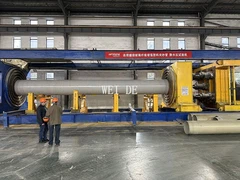
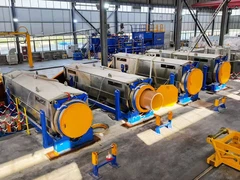
As a Type 4 cylinder supplier, we offer high - quality cylinders that are designed for optimal performance and safety. We also have a range of related products, such as Pressure Cylinder Winding Machine, Pressure Vessal Winding Machine, and Type 3 Cylinder Winding Machine. These machines are used in the manufacturing process of cylinders, ensuring that they meet the highest standards.
If you're in the market for Type 4 cylinders or any of our related products, don't hesitate to reach out. We're here to help you with all your cylinder needs, from selection to refilling advice. Whether you're a small business or a large industrial operation, we can provide the solutions you're looking for. Contact us today to start a conversation about your requirements.
References
- ASME Boiler and Pressure Vessel Code
- ISO standards for composite cylinders
So, there you have it! That's how you refill a Type 4 cylinder. It's a process that requires attention to detail and safety, but if you follow these steps, you'll be able to do it safely and effectively.
Send Inquiry