



How to prevent short - circuits in 'Countinue winding' coils?
Oct 27, 2025
Leave a message
Hey there! I'm a supplier of Continue winding products, and today I wanna talk about how to prevent short - circuits in 'Continue winding' coils. Short - circuits in these coils can be a real headache, leading to equipment damage, safety hazards, and costly downtime. So, let's dig into some practical ways to keep those short - circuits at bay.
Understanding the Basics of Continue Winding Coils
First off, it's important to know what Continue winding coils are. These coils are used in a variety of applications, from electrical transformers to industrial machinery. They're made by continuously winding a conductive wire around a core, creating a magnetic field when an electric current passes through.
But here's the deal: any break or defect in the winding can cause a short - circuit. That's when the current takes an unintended path, bypassing the normal circuit and potentially causing a whole lot of trouble.
Quality of Materials
One of the most crucial factors in preventing short - circuits is using high - quality materials. The wire used for winding should have excellent insulation properties. A good insulation material can prevent the current from leaking out and causing a short - circuit.
When you're sourcing your wire, make sure to choose a reliable supplier. Look for wires that are rated for the specific voltage and current requirements of your application. Cheaping out on wire quality might save you some money upfront, but it can end up costing you a fortune in the long run if a short - circuit occurs.
Proper Winding Techniques
The way you wind the coil matters a great deal. Improper winding can lead to overlapping wires, which can cause insulation damage and eventually a short - circuit.
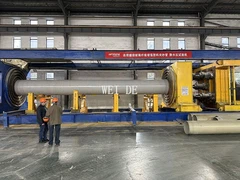
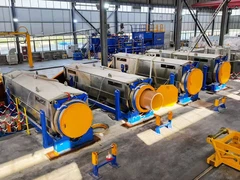
To ensure proper winding, use the right equipment. For example, the Composite Material Winding Equipment is designed to wind coils with precision. This equipment can help maintain a consistent tension in the wire, preventing it from bunching up or overlapping.
Another important aspect is the spacing between the turns of the wire. Make sure there's enough space to prevent the wires from touching each other. This can be achieved by using spacers or by carefully adjusting the winding parameters.
Insulation Testing
Regular insulation testing is a must. You can use insulation resistance testers to check the integrity of the insulation in the coils. These testers apply a voltage to the coil and measure the resistance. A low resistance reading could indicate a problem with the insulation, which might lead to a short - circuit.
It's a good idea to test the coils at different stages of the manufacturing process, as well as during routine maintenance. This way, you can catch any potential issues before they turn into full - blown short - circuits.
Environmental Considerations
The environment in which the coils operate can also have an impact on the risk of short - circuits. High humidity, for example, can cause the insulation to break down over time. Dust and debris can also accumulate on the coils, potentially causing a short - circuit if they bridge the gap between the wires.
To protect the coils from these environmental factors, consider using enclosures or protective coatings. These can help keep the coils dry and clean, reducing the risk of short - circuits.


Overcurrent Protection
Installing overcurrent protection devices is another effective way to prevent short - circuits from causing major damage. Fuses and circuit breakers are commonly used for this purpose. These devices are designed to cut off the current when it exceeds a certain level, preventing the coil from overheating and potentially short - circuiting.
Make sure to choose the right type and rating of overcurrent protection device for your application. A device that's too small might trip too often, while a device that's too large might not provide adequate protection.
Monitoring and Maintenance
Regular monitoring and maintenance are essential for preventing short - circuits. Keep an eye on the temperature of the coils, as overheating can be a sign of a problem. You can use thermal sensors to monitor the temperature and detect any abnormal increases.
In addition to temperature monitoring, visually inspect the coils regularly for any signs of damage or wear. Look for frayed wires, cracked insulation, or any other visible defects. If you notice any issues, address them immediately to prevent a short - circuit from occurring.
Training and Education
Finally, make sure your staff is well - trained in coil winding and maintenance. They should understand the importance of preventing short - circuits and know how to follow proper procedures.
Provide regular training sessions to keep your staff up - to - date on the latest techniques and best practices. This can help ensure that everyone in your organization is doing their part to prevent short - circuits in Continue winding coils.
Conclusion
Preventing short - circuits in Continue winding coils is a multi - faceted process that involves using high - quality materials, proper winding techniques, regular testing, environmental protection, overcurrent protection, monitoring, and training. By taking these steps, you can significantly reduce the risk of short - circuits and ensure the reliable operation of your equipment.
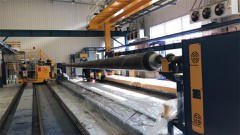
If you're in the market for Continue winding products or need more information on how to prevent short - circuits, don't hesitate to reach out. We're here to help you find the best solutions for your needs. Whether you're looking for a Continuous Fiberglass Pipe Winding Machine or a Continue Filament Winding FRP Pipe Produciton Line, we've got you covered. Let's start a conversation and see how we can work together to keep your operations running smoothly.
References
- Electrical Engineering Handbook, Third Edition
- Insulation Testing Guide for Electrical Equipment
- Winding Techniques for Coils and Transformers Manual
Send Inquiry