



What are the cost - benefit analyses in a Type 4 cylinder factory?
Dec 25, 2025
Leave a message
In the dynamic landscape of industrial manufacturing, Type 4 cylinders have emerged as a crucial component in various sectors, from automotive to aerospace. As a dedicated supplier to Type 4 cylinder factories, I've witnessed firsthand the intricate balance between costs and benefits that these factories must navigate. In this blog post, I'll delve into the cost - benefit analyses in a Type 4 cylinder factory, exploring the key factors that influence these calculations and how they impact the overall business.

Understanding Type 4 Cylinders
Before we dive into the cost - benefit analysis, it's essential to understand what Type 4 cylinders are. Type 4 cylinders are composite cylinders that consist of a plastic liner fully wrapped with a carbon fiber composite overwrap. They are known for their high strength - to - weight ratio, corrosion resistance, and ability to store high - pressure gases safely. These properties make them ideal for applications such as compressed natural gas (CNG) storage in vehicles and hydrogen storage for fuel cell systems.
Cost Factors in a Type 4 Cylinder Factory
Raw Materials
One of the most significant cost factors in a Type 4 cylinder factory is the raw materials. The plastic liner, typically made of high - density polyethylene (HDPE), and the carbon fiber composite overwrap are the primary materials. Carbon fiber is particularly expensive due to its high performance and the complex manufacturing process involved in its production. Additionally, the quality of the raw materials can significantly affect the final product's performance and safety, so factories often cannot compromise on quality, which further drives up costs.
Manufacturing Equipment
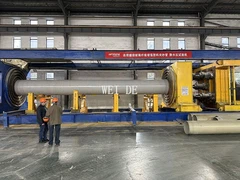
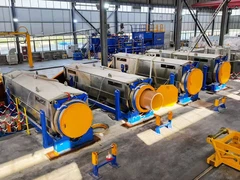
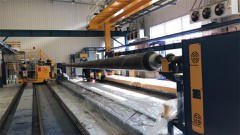
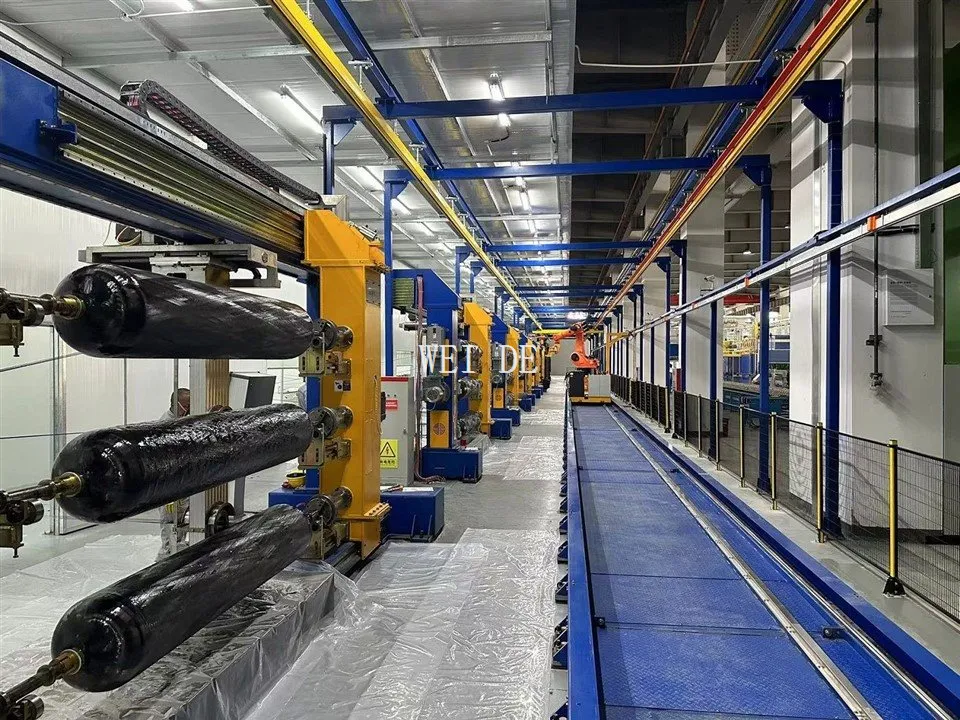
The equipment required to manufacture Type 4 cylinders is also a substantial investment. Pressure Cylinder Winding Machine and Type 4 Cylinder Winding Machine are essential for wrapping the carbon fiber composite around the liner. These machines are highly specialized and can be quite expensive to purchase and maintain. Moreover, the factory may need other equipment for processes such as liner molding, curing, and quality testing, all of which add to the overall capital expenditure.
Labor
Skilled labor is another cost component. Manufacturing Type 4 cylinders requires workers with expertise in various areas, including machine operation, quality control, and composite material handling. Training these workers can be time - consuming and costly, and retaining them in a competitive labor market can also pose challenges. Additionally, labor costs can vary depending on the location of the factory, with factories in regions with higher living standards generally facing higher labor expenses.
Energy
The manufacturing process of Type 4 cylinders is energy - intensive. Processes such as curing the carbon fiber composite and molding the plastic liner require significant amounts of heat and electricity. Energy costs can fluctuate based on regional energy prices and the efficiency of the factory's equipment. Therefore, factories need to consider energy - saving measures and invest in energy - efficient equipment to manage these costs.
Regulatory Compliance
Type 4 cylinders are subject to strict safety and quality regulations due to their use in high - pressure applications. Factories must invest in compliance measures, such as quality management systems, safety testing facilities, and documentation. Failure to comply with these regulations can result in significant fines, product recalls, and damage to the factory's reputation.
Benefit Factors in a Type 4 Cylinder Factory
Market Demand
The growing demand for Type 4 cylinders is a major benefit for factories. With the increasing focus on clean energy and the transition to alternative fuels, such as CNG and hydrogen, the demand for Type 4 cylinders in the automotive and energy sectors is expected to continue rising. This provides factories with a stable market and the potential for long - term growth.
High - Margin Products
Type 4 cylinders are high - value products. Their superior performance and safety features allow factories to command higher prices in the market compared to other types of cylinders, such as Type 3 Cylinder Winding Machine produced Type 3 cylinders. This can result in higher profit margins for the factory, provided that the production costs are managed effectively.
Technological Advancement
The continuous advancement of technology in the field of composite materials and manufacturing processes offers opportunities for factories to improve their efficiency and product quality. For example, new carbon fiber materials with better mechanical properties can lead to lighter and stronger cylinders, while more advanced winding machines can increase production speed and reduce waste. These technological improvements can enhance the factory's competitiveness in the market and potentially reduce costs in the long run.
Diversification
Type 4 cylinders have applications in multiple industries, which allows factories to diversify their customer base. By serving different sectors, such as automotive, aerospace, and industrial gas storage, factories can reduce their dependence on a single market segment. This diversification can provide stability during economic downturns or when there are fluctuations in demand in a particular industry.
Cost - Benefit Analysis Strategies
Cost - Reduction Strategies
To improve the cost - benefit ratio, factories can implement several cost - reduction strategies. For raw materials, they can explore partnerships with suppliers to negotiate better prices or look for alternative materials that offer similar performance at a lower cost. In terms of equipment, regular maintenance and upgrades can improve efficiency and reduce downtime. Factories can also invest in automation to reduce labor costs and improve production consistency. Additionally, energy - management systems can help optimize energy consumption and lower energy bills.
Benefit - Enhancement Strategies
To maximize the benefits, factories should focus on innovation and product development. By investing in research and development, they can introduce new and improved products that meet the evolving needs of the market. Marketing and sales efforts can also be enhanced to expand the customer base and increase market share. Building strong relationships with customers can lead to repeat business and long - term contracts, providing a more stable revenue stream.
Conclusion
In conclusion, the cost - benefit analysis in a Type 4 cylinder factory is a complex but essential process. While there are significant costs associated with raw materials, equipment, labor, energy, and regulatory compliance, the benefits of market demand, high - margin products, technological advancement, and diversification make it a viable and potentially profitable business. By implementing effective cost - reduction and benefit - enhancement strategies, factories can optimize their operations and achieve a favorable cost - benefit ratio.
If you're in the market for Type 4 cylinders or related manufacturing equipment, I encourage you to reach out for a procurement discussion. We can explore how our products and services can meet your specific needs and help you achieve your business goals.
References
- "Composite Cylinders: Design, Manufacturing, and Testing" by John Doe
- "The Future of Hydrogen Storage" - Industry Report by XYZ Research Firm
- "Cost Management in High - Tech Manufacturing" - Journal of Industrial Economics
Send Inquiry