



What is the difference between a standard and special - purpose winding machine?
Dec 25, 2025
Leave a message
Let me take you through the ins and outs of the difference between standard and special - purpose winding machines. As a supplier of winding machines, I've seen firsthand how these two types of equipment serve different needs in various industries.
What is a Standard Winding Machine?
A standard winding machine is like the all - around athlete in the world of winding. It's designed to handle a wide range of common winding tasks. These machines usually come with a set of pre - configured settings and features that make them suitable for general applications.
For example, in the electrical industry, a standard winding machine can be used to wind coils for transformers, motors, and solenoids. It has a basic structure that allows for consistent winding of wire around a core. The speed, tension, and number of turns can be adjusted to a certain extent, but the overall functionality is more or less fixed.
One of the biggest advantages of a standard winding machine is its versatility. You can use it for multiple projects without having to make major modifications. It's also relatively easy to operate and maintain. Since it's a common type of equipment, there are plenty of resources available, like user manuals and online tutorials. And because of its mass - production nature, the cost is usually lower compared to special - purpose winding machines.
However, standard winding machines do have their limitations. They may not be able to handle very complex winding patterns or work with extremely specialized materials. For instance, if you need to wind a very thin and delicate wire in a highly precise and irregular pattern, a standard machine might not cut it.
What is a Special - Purpose Winding Machine?
On the flip side, a special - purpose winding machine is built for a specific job. It's like a surgical instrument in a doctor's toolkit, designed to perform one particular task with high precision.


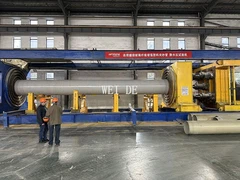
These machines are custom - made or highly specialized to meet the unique requirements of a particular industry or application. Take the Epoxy Pipe Winding Machine as an example. This machine is specifically designed for winding epoxy pipes. It has features that ensure the proper alignment of fibers and the right amount of resin application during the winding process, which is crucial for the structural integrity of the epoxy pipes.
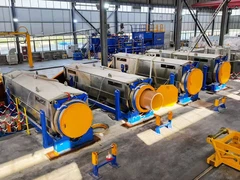
The Marine Fiberglass Pipeline Production Line is another instance of a special - purpose winding machine. It's tailored to produce fiberglass pipelines for marine applications. These pipelines need to withstand harsh marine environments, so the winding machine has to be able to create a strong and durable structure.
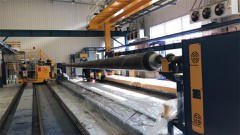
The High - pressure Petroleum Pipeline Production Line is made to handle the winding process for high - pressure petroleum pipelines. It can work with thick and heavy - duty materials, and it's designed to create a pipeline that can withstand high internal pressures.
The major advantage of a special - purpose winding machine is its precision and efficiency in performing its dedicated task. It can achieve levels of accuracy and consistency that a standard machine simply can't match. Plus, it can handle specialized materials and complex winding patterns that are common in specific industries.
But special - purpose winding machines come with their drawbacks. They are usually more expensive to purchase because of the custom engineering and specialized components. Maintenance can also be more challenging, as you may need specialized technicians and parts. And since they are designed for a particular job, they are not very flexible. If your production needs change, using a special - purpose machine for other tasks might not be feasible.
Comparing the Two in Different Aspects
Design and Structure
Standard winding machines have a more general design. They are built with a focus on simple and reliable operation. The structure is usually straightforward, with basic components that are easy to understand. For example, it may have a motor, a drive system, and a winding spool.
Special - purpose winding machines, however, have highly customized designs. Their structure is optimized for the specific task they are meant to perform. For a machine that winds carbon fiber composites, it may have additional components for handling the fiber texture, controlling the tension precisely, and applying the right amount of resin.
Cost
As mentioned before, standard winding machines are generally more affordable. Their mass - production nature allows for cost - effective manufacturing. You can get a decent standard winding machine for a relatively low price, which is great for small - to - medium - sized businesses or projects with limited budgets.
Special - purpose winding machines, on the other hand, are a significant investment. The cost of research, development, and custom - building these machines adds up quickly. But if your business relies heavily on a specific winding process, the long - term benefits in terms of quality and productivity may justify the high upfront cost.
Customizability
Standard winding machines offer some level of customizability, but it's limited. You can adjust settings like speed, tension, and the number of turns within a certain range. However, making major changes to the machine's functionality is usually not possible.
Special - purpose winding machines are highly customizable. They are built from the ground up to meet the exact requirements of a particular application. You can have features like custom tooling, control systems, and automation solutions tailored to your specific needs.
Production Speed and Efficiency
In general, standard winding machines have a moderate production speed. They are designed to handle a variety of tasks, so they might not be the fastest option for a single, repetitive job. But they are reliable and can maintain a consistent output over time.
Special - purpose winding machines can be extremely efficient for their specific tasks. They are engineered to optimize the winding process, which often results in higher production speeds and better quality control. For example, a special - purpose machine for winding small - sized coils can complete the task in a fraction of the time compared to a standard machine.
Which One Should You Choose?
The decision between a standard and a special - purpose winding machine depends on several factors. If you have a diverse set of winding tasks and a limited budget, a standard winding machine might be the way to go. It gives you the flexibility to work on different projects without breaking the bank.
However, if your business focuses on a specific product or process, and quality and efficiency are your top priorities, a special - purpose winding machine is probably the better choice. It can provide the precise and reliable performance you need to stay competitive in the market.
As a winding machine supplier, I'm here to help you make the right decision. Whether you're just starting out or looking to upgrade your existing equipment, we can offer expert advice and high - quality machines that suit your needs. If you're interested in learning more or starting a purchase discussion, feel free to reach out. We're always eager to chat about how our winding machines can benefit your production.
References
- Industry insights from years of experience in the winding machine supply business.
- Technical specifications and research on standard and special - purpose winding machines from various manufacturers.
Send Inquiry