



What is the energy - saving design of composite material winding equipment?
Jan 13, 2026
Leave a message
Hey there! I'm a supplier of Composite Material Winding Equipment. You might be wondering, "What's the energy - saving design of composite material winding equipment?" Well, let me break it down for you.
Energy - Saving Design Basics
First off, we need to understand why energy - saving design is so important. Energy costs can make up a significant part of the overall production cost. By having energy - saving equipment, we can not only cut down on expenses but also be more environmentally friendly. And who doesn't want to be a bit greener these days?
One of the key aspects of energy - saving design in composite material winding equipment is the motor system. We use high - efficiency motors. These motors are designed to convert electrical energy into mechanical energy with less waste heat. Unlike traditional motors, which might lose a lot of energy as heat, our high - efficiency motors can run for longer periods using less electricity. For example, imagine you're running a winding machine for hours on end. With a normal motor, you'd be paying a hefty electricity bill. But with our high - efficiency motors, you'll see a noticeable drop in your energy consumption.
Another cool thing about our motor systems is the variable frequency drive (VFD). A VFD allows us to adjust the speed of the motor according to the actual needs of the winding process. When the machine doesn't need to run at full speed, the VFD can reduce the motor's speed, thus saving energy. Say during the initial setup phase or when there's a pause in the winding, the motor doesn't have to be running at top speed. The VFD senses this and adjusts the speed accordingly.
Advanced Control Systems for Energy Savings
We also rely on advanced control systems to optimize energy usage. These control systems are like the brains of the winding equipment. They're constantly monitoring and analyzing various parameters such as the tension of the composite materials, the speed of the winding, and the temperature in the working environment.
Based on this data, the control system can make real - time adjustments. For instance, if the tension of the composite material is too high, the system might slow down the winding speed slightly. This not only ensures the quality of the winding but also saves energy because the machine doesn't have to work as hard.
Moreover, our control systems are programmed to have energy - saving modes. You can set the machine to enter a low - energy standby mode during breaks or when it's not in use for an extended period. This way, you're not wasting electricity when the machine is just sitting there.
Material Handling and Energy Efficiency
The way we handle the composite materials also plays a big role in energy savings. Our equipment is designed to have smooth material feeding mechanisms. This reduces the friction between the materials and the machine parts, which in turn reduces the amount of energy needed to move the materials.
For example, we use special guides and rollers that are made from low - friction materials. These guides ensure that the composite materials move through the winding process smoothly without getting stuck or causing the machine to work harder.


In addition, we've optimized the layout of the material storage and feeding areas. By having a well - organized layout, the machine can access the materials more efficiently. There's less time spent on moving materials around, which means less energy is used in the overall process.
Our Product Line and Energy - Saving Features
Now, let me introduce you to some of our products and how their design helps with energy savings.
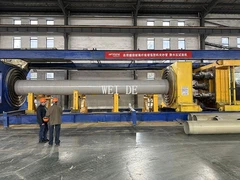
The Continuous Fiberglass Pipe Winding Machine is one of our star products. It's designed with all the energy - saving features I've mentioned above. The high - efficiency motor and VFD ensure that it uses less electricity during operation. The advanced control system monitors the winding process in real - time, making sure that the machine is always working at an optimal energy level. And the smooth material handling mechanism reduces the energy needed to feed the fiberglass materials.
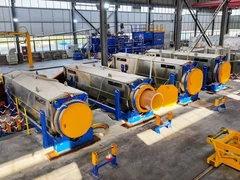
Another great product is the CFW Continuous Pipe Winding Machine. This machine is built for continuous production, and its energy - saving design is even more crucial. The control system can adjust the winding speed and tension based on the production demand, so it doesn't waste energy when the production volume is low. The material handling system is also optimized to minimize energy consumption during the continuous winding process.
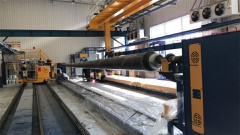
We also have the Continue Filament Winding FRP Pipe Produciton Line. This production line is a complete solution for FRP pipe manufacturing. Each part of the line, from the material feeding to the final winding, is designed to be energy - efficient. The integrated control system coordinates all the components, ensuring that the whole production process uses the least amount of energy possible.
Why Choose Our Energy - Saving Equipment
If you're in the market for composite material winding equipment, there are several reasons why you should choose ours. First of all, the energy savings can lead to significant cost reductions in the long run. You'll be able to see a direct impact on your bottom line.
Secondly, our equipment is reliable. We've spent years researching and developing these energy - saving designs, so you can trust that they work. You won't have to worry about sudden breakdowns or inefficient operation.
Thirdly, by using our energy - saving equipment, you're also doing your part for the environment. In today's world, more and more customers are looking for eco - friendly products and manufacturers. By having energy - efficient equipment, you can show your commitment to sustainability.
Let's Talk Business
So, if you're interested in our composite material winding equipment and want to learn more about how our energy - saving designs can benefit your business, don't hesitate to reach out. Whether you're a small - scale manufacturer or a large - scale production facility, we have the right equipment for you. Contact us to start a discussion about your specific needs, and we'll be happy to provide you with more information and a customized solution.
References
- Smith, J. (2020). Energy - efficient design in manufacturing equipment. Journal of Manufacturing Technology, 15(2), 45 - 52.
- Johnson, A. (2021). Advances in composite material winding technology. Composite Materials Review, 22(3), 78 - 85.
Send Inquiry