



How to ensure the safety of operators when maintaining a large winding machine?
Oct 08, 2025
Leave a message
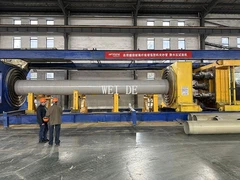
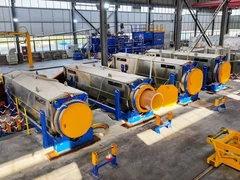
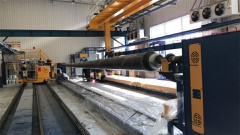
As a supplier of large winding machines, ensuring the safety of operators during maintenance is of paramount importance. Large winding machines are complex pieces of equipment used in various industries, such as the production of Continuous Fiberglass Pipe Winding Machine, Continue Filament Winding FRP Pipe Produciton Line, and Composite Material Winding Equipment. In this blog, I will share some key strategies and practices to guarantee the safety of operators when maintaining these large machines.
Pre - maintenance Preparations
Before any maintenance work begins, a comprehensive pre - maintenance plan must be in place. First, operators should receive thorough training on the specific large winding machine they are going to maintain. This training should cover the machine's structure, operation principles, potential hazards, and safety procedures. Training programs should be updated regularly to incorporate new safety information and technological advancements.


Secondly, a detailed risk assessment should be conducted. Identify all possible hazards associated with the maintenance work, such as electrical risks, mechanical moving parts, and chemical substances if applicable. Based on this assessment, develop appropriate control measures to eliminate or reduce these risks. For example, if there are electrical components involved, ensure that the machine is completely powered off and locked out before starting any work. This lock - out/tag - out (LOTO) procedure is a critical safety measure that prevents accidental startup of the machine during maintenance.
In addition, gather all the necessary tools and equipment for the maintenance work. Ensure that these tools are in good condition and suitable for the specific tasks. For instance, if you need to disassemble certain parts of the winding machine, use the correct wrenches and screwdrivers with the appropriate sizes and torque ratings.
Personal Protective Equipment (PPE)
Personal protective equipment is a fundamental aspect of operator safety during machine maintenance. Operators should wear appropriate PPE at all times. Safety glasses are essential to protect the eyes from flying debris, dust, or splashes. When working in an environment with high noise levels, such as near the motors of the winding machine, hearing protection like earplugs or earmuffs should be worn.
Gloves are also necessary to protect the hands from cuts, abrasions, and chemical exposure. The type of gloves depends on the nature of the work. For example, when handling sharp edges or hot components, heat - resistant and cut - resistant gloves are required. In some cases, operators may need to wear safety shoes to protect their feet from heavy objects or falling tools.
Respiratory protection may be needed if there are dust particles, fumes, or chemical vapors present during maintenance. This could include dust masks or respirators, depending on the level of air contamination. PPE should be properly maintained and replaced regularly to ensure its effectiveness.
Safe Working Environment
Maintaining a safe working environment is crucial for operator safety. The area around the large winding machine should be clean and organized. Remove any clutter, tools, or debris that could cause tripping hazards. Adequate lighting is also essential to ensure that operators can clearly see what they are doing. Poor lighting can lead to mistakes and accidents.
Ventilation is another important factor, especially if there are chemical substances or fumes involved. Proper ventilation systems should be in place to remove any harmful substances from the air. If the winding machine uses resins or other chemicals, ensure that there are appropriate exhaust systems to prevent the accumulation of toxic vapors.
Markings and signs should be clearly visible around the machine. These signs can indicate safety instructions, hazard warnings, and emergency exits. For example, place signs near electrical panels to remind operators to follow the LOTO procedure.
Maintenance Procedures
During the maintenance process, operators should follow strict procedures. When disassembling parts of the winding machine, follow the manufacturer's instructions carefully. Keep track of all the removed parts and their installation order. This will make it easier to reassemble the machine correctly later.
When working on mechanical components, be aware of the moving parts. Avoid placing hands or other body parts near gears, belts, or pulleys, even when the machine is powered off. Some parts may still have residual energy or could move unexpectedly during disassembly or assembly.
If there are hydraulic or pneumatic systems in the machine, release the pressure in these systems before starting any work. This can prevent sudden releases of pressure that could cause injury.
When performing electrical maintenance, use insulated tools to avoid electrical shocks. Test the electrical circuits to ensure that they are de - energized before touching any wires or components.
Communication and Supervision
Effective communication among the maintenance team is vital. Before starting the maintenance work, hold a pre - job briefing to discuss the work plan, safety procedures, and potential hazards. During the maintenance process, maintain clear communication between team members. If an operator notices a potential safety issue, they should immediately inform the rest of the team.
Supervision is also an important aspect of operator safety. A qualified supervisor should be present during the maintenance work to oversee the operations, ensure that safety procedures are followed, and provide guidance and support when needed. The supervisor should have in - depth knowledge of the machine and safety regulations.
Post - maintenance Checks
After the maintenance work is completed, a series of post - maintenance checks should be carried out. Reassemble all the parts of the winding machine correctly according to the manufacturer's instructions. Check for any loose connections, leaks, or abnormal noises.
Before powering on the machine, conduct a final safety inspection. Ensure that all safety guards are in place and functioning properly. Then, perform a test run of the machine under controlled conditions. Monitor the machine's performance closely during this test run. If any problems are detected, stop the machine immediately and address the issues before normal operation resumes.
Emergency Preparedness
Despite all the preventive measures, emergencies can still occur. Therefore, an emergency preparedness plan should be in place. This plan should include procedures for dealing with various emergencies, such as fires, electrical shocks, and chemical spills.
Operators should be trained on emergency response procedures, including how to use fire extinguishers, first - aid kits, and emergency exits. Regular emergency drills should be conducted to ensure that operators can respond quickly and effectively in case of an emergency.
In conclusion, ensuring the safety of operators when maintaining a large winding machine requires a comprehensive approach that includes pre - maintenance preparations, the use of personal protective equipment, a safe working environment, strict maintenance procedures, effective communication and supervision, post - maintenance checks, and emergency preparedness. As a large winding machine supplier, we are committed to providing not only high - quality machines but also comprehensive safety solutions to our customers. If you are interested in our products or need more information about machine safety, please feel free to contact us for procurement and further discussions.
References
- Occupational Safety and Health Administration (OSHA) guidelines on machine maintenance safety.
- Manufacturer's manuals for large winding machines.
- Industry standards and best practices for safety in industrial equipment maintenance.
Send Inquiry