



What is the weight of a continue filament winding machine?
Oct 08, 2025
Leave a message
Hey there! As a supplier of continue filament winding machines, I often get asked about the weight of these machines. It's a valid question, especially when you're thinking about transportation, installation, and the overall space requirements. So, let's dive right into it and explore what the weight of a continue filament winding machine can be.
First off, it's important to understand that the weight of a continue filament winding machine can vary significantly depending on several factors. One of the main factors is the size of the machine. Larger machines that are designed to produce bigger products, like large - diameter pipes or large composite structures, are naturally going to be heavier. For example, a machine that can wind pipes with a diameter of up to 2 meters will weigh a lot more than a smaller one that can only handle pipes with a diameter of 0.5 meters.
Another factor that affects the weight is the construction materials. Machines made from high - strength steel or other heavy - duty alloys will be heavier compared to those made with lighter materials. However, the heavier materials often provide better stability and durability, which is crucial for the long - term operation of the machine.
Let's talk about some general weight ranges. Smaller, entry - level continue filament winding machines can weigh anywhere from 500 kilograms to 2 tons. These are usually designed for small - scale production or for testing purposes. They are relatively easy to move around and can be installed in smaller workshops.
On the other hand, medium - sized machines, which are commonly used in medium - scale production facilities, can weigh between 2 tons and 5 tons. These machines are more powerful and can handle a wider range of products. They are often equipped with more advanced features and controls, which also add to their weight.


For large - scale industrial production, the weight of continue filament winding machines can go well beyond 5 tons. Some of the really big machines used in the production of large composite structures or very large - diameter pipes can weigh up to 10 tons or even more. These behemoths are built to last and can handle high - volume production with great efficiency.
Now, you might be wondering why the weight matters. Well, as I mentioned earlier, transportation is a big factor. If the machine is too heavy, it might require special transportation arrangements, like using a heavy - duty truck or even a crane to load and unload it. Installation is also affected. A heavier machine needs a more stable foundation to ensure its proper operation. You don't want the machine to wobble or move during the winding process, as this can lead to poor - quality products.
In addition to the machine itself, you also need to consider the weight of any additional components or accessories. For example, some continue filament winding machines come with a resin bath, which can add a significant amount of weight when filled with resin. There are also spools of filament, which can vary in weight depending on their size and the type of filament used.
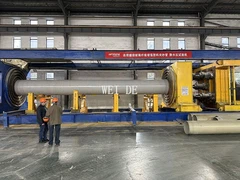
When it comes to the types of products that can be made with these machines, there's a wide range. You can use a continue filament winding machine to produce Continuous Fiberglass Pipe Winding Machine. These machines are specifically designed to wind fiberglass filaments around a mandrel to create strong and durable pipes. The weight of the machine used for this purpose will depend on the size and specifications of the pipes it can produce.
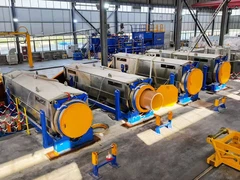
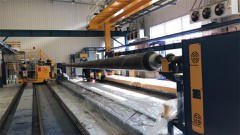
Another popular application is the production of Continue Filament Winding FRP Pipe Produciton Line. FRP (Fiber - Reinforced Plastic) pipes are widely used in various industries, such as water treatment, oil and gas, and construction. The production line usually consists of multiple machines, and the total weight of the entire line can be quite substantial.
Composite materials are also a big area of application. Composite Material Winding Equipment is used to produce a variety of composite products, like aircraft parts, sports equipment, and automotive components. The weight of these machines is carefully balanced to ensure both stability and the ability to handle different types of composite materials.
If you're in the market for a continue filament winding machine, it's essential to consider the weight along with other factors like the production capacity, the features, and the price. You need to make sure that your workshop can accommodate the weight of the machine and that you have the necessary transportation and installation arrangements in place.
We, as a supplier, understand the importance of providing you with the right information about the weight and other aspects of our machines. We have a wide range of continue filament winding machines to suit different needs and budgets. Whether you're a small - scale producer looking for an entry - level machine or a large - scale industrial company in need of a heavy - duty production line, we've got you covered.
If you're interested in learning more about our continue filament winding machines or if you have any questions about the weight or other features, don't hesitate to reach out. We're here to help you make the right choice for your business. Contact us for a detailed discussion about your requirements and how our machines can meet them. We're eager to start a conversation and see how we can work together to boost your production capabilities.
References
- Industry reports on continue filament winding machine technology
- Technical specifications of various continue filament winding machines
Send Inquiry