



What are the advantages of 3D printed GRP pipes compared to traditional ones?
Dec 29, 2025
Leave a message
In the world of piping solutions, the advent of 3D printing technology has brought about a revolutionary change, especially in the production of Glass Reinforced Plastic (GRP) pipes. As a leading 3D print GRP pipe supplier, I have witnessed firsthand the numerous advantages that 3D printed GRP pipes offer over traditional ones. In this blog post, I will delve into these benefits, highlighting why 3D printed GRP pipes are becoming the preferred choice for many industries.
Design Flexibility
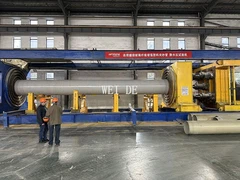
One of the most significant advantages of 3D printed GRP pipes is the unparalleled design flexibility they offer. Traditional manufacturing methods for GRP pipes, such as the Continuous Fiberglass Pipe Winding Machine, are often limited by the constraints of molds and tooling. These methods typically produce pipes with standard shapes and sizes, making it challenging to create custom designs without incurring significant costs and lead times.
In contrast, 3D printing technology allows for the creation of GRP pipes with complex geometries and customized designs. Using advanced software, we can design pipes with unique internal and external features, such as varying wall thicknesses, integrated fittings, and non - circular cross - sections. This flexibility enables us to meet the specific requirements of our customers, whether it's for a specialized industrial application or a unique architectural project. For example, in some chemical processing plants, pipes need to have specific internal structures to optimize the flow of corrosive fluids. With 3D printing, we can easily design and manufacture pipes that precisely meet these requirements, which would be extremely difficult or impossible to achieve with traditional methods.
Reduced Waste
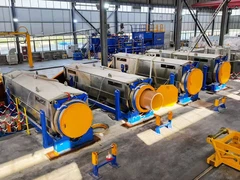
Traditional manufacturing processes for GRP pipes often generate a significant amount of waste material. For instance, the Composite Material Winding Equipment used in conventional production may require the cutting of excess fiberglass and resin, resulting in scraps that cannot be reused. This not only increases the cost of production but also has a negative impact on the environment.
3D printing, on the other hand, is an additive manufacturing process. It builds the GRP pipe layer by layer, using only the exact amount of material required for the design. This significantly reduces waste generation, as there is no need for large - scale cutting or machining operations. As a result, we can minimize material costs and contribute to a more sustainable manufacturing process. Additionally, any excess material that is generated during the 3D printing process can often be recycled and reused in subsequent prints, further enhancing the environmental friendliness of our production method.
Faster Production Time
Time is of the essence in many industries, and traditional GRP pipe manufacturing methods can be time - consuming. The process of creating molds for traditional pipes can take weeks or even months, especially for custom - designed products. Once the molds are ready, the actual production of the pipes also requires a relatively long time, as the winding and curing processes are sequential and can be slow.
3D printing technology streamlines the production process. Once the design is finalized in the software, the 3D printer can start producing the pipe immediately. There is no need to wait for mold fabrication, which saves a significant amount of time. Moreover, 3D printers can operate continuously, 24/7 if necessary, allowing for rapid production of multiple pipes. This fast turnaround time is particularly beneficial for projects with tight deadlines, such as emergency repairs or new construction projects that need to be completed quickly. For example, in the case of a sudden pipeline failure in an oil refinery, our 3D printed GRP pipes can be produced and delivered in a fraction of the time it would take for traditional pipes, minimizing the downtime of the refinery.


Improved Quality and Consistency
Quality control is a crucial aspect of pipe manufacturing. Traditional methods of producing GRP pipes rely on manual labor and complex machinery, which can introduce variability in the final product. Factors such as operator skill, machine calibration, and environmental conditions can all affect the quality of the pipes. Inconsistent wall thickness, uneven resin distribution, and other defects are common issues in traditional GRP pipe production.
3D printing technology offers a high level of precision and consistency. The 3D printer follows the digital design precisely, ensuring that each layer is deposited accurately. This results in pipes with uniform wall thickness, consistent material distribution, and high - quality surface finishes. Additionally, 3D printing allows for real - time monitoring and adjustment of the printing process. We can use sensors and software to detect any potential issues during the production and make immediate corrections, ensuring that every pipe meets our strict quality standards.
Cost - Effectiveness
While the initial investment in 3D printing technology may seem high, in the long run, 3D printed GRP pipes can be more cost - effective than traditional ones. As mentioned earlier, the reduced waste and faster production time translate into lower material and labor costs. The ability to create custom designs without the need for expensive molds also saves on tooling costs.
Moreover, the improved quality and consistency of 3D printed GRP pipes can lead to lower maintenance and replacement costs. These pipes are less likely to develop defects or failures, which means fewer repairs and longer service life. For example, in a water treatment plant, the use of 3D printed GRP pipes can reduce the frequency of pipe replacements, saving the plant a significant amount of money over time.
Enhanced Performance
3D printed GRP pipes can be engineered to have enhanced performance characteristics compared to traditional pipes. By carefully selecting the materials and adjusting the printing parameters, we can optimize the mechanical properties of the pipes, such as strength, stiffness, and corrosion resistance.
For example, we can incorporate different types of fiberglass and resins in the 3D printing process to create a pipe with specific performance requirements. In a marine environment, where pipes are exposed to saltwater and harsh weather conditions, we can design 3D printed GRP pipes with a high - performance resin that provides excellent corrosion resistance. Additionally, the ability to customize the internal structure of the pipes can improve their flow characteristics, reducing pressure drop and energy consumption.
In conclusion, the advantages of 3D printed GRP pipes over traditional ones are numerous and significant. From design flexibility and reduced waste to faster production time, improved quality, cost - effectiveness, and enhanced performance, 3D printed GRP pipes offer a superior solution for a wide range of applications. As a 3D print GRP pipe supplier, we are committed to leveraging this advanced technology to provide our customers with the best - in - class piping solutions.
If you are interested in learning more about our 3D printed GRP pipes or would like to discuss your specific requirements, we encourage you to contact us for a procurement discussion. We look forward to working with you to meet your piping needs.
References
- "Additive Manufacturing Technologies: 3D Printing, Rapid Prototyping, and Direct Digital Manufacturing" by Ian Gibson, David W. Rosen, and Brent Stucker.
- "Composites Manufacturing: Materials, Product, and Process Engineering" by P. K. Mallick.
- Industry reports on GRP pipe manufacturing and 3D printing technology.
Send Inquiry